

People who grew up reading a lot typically display these 9 unique personality traits

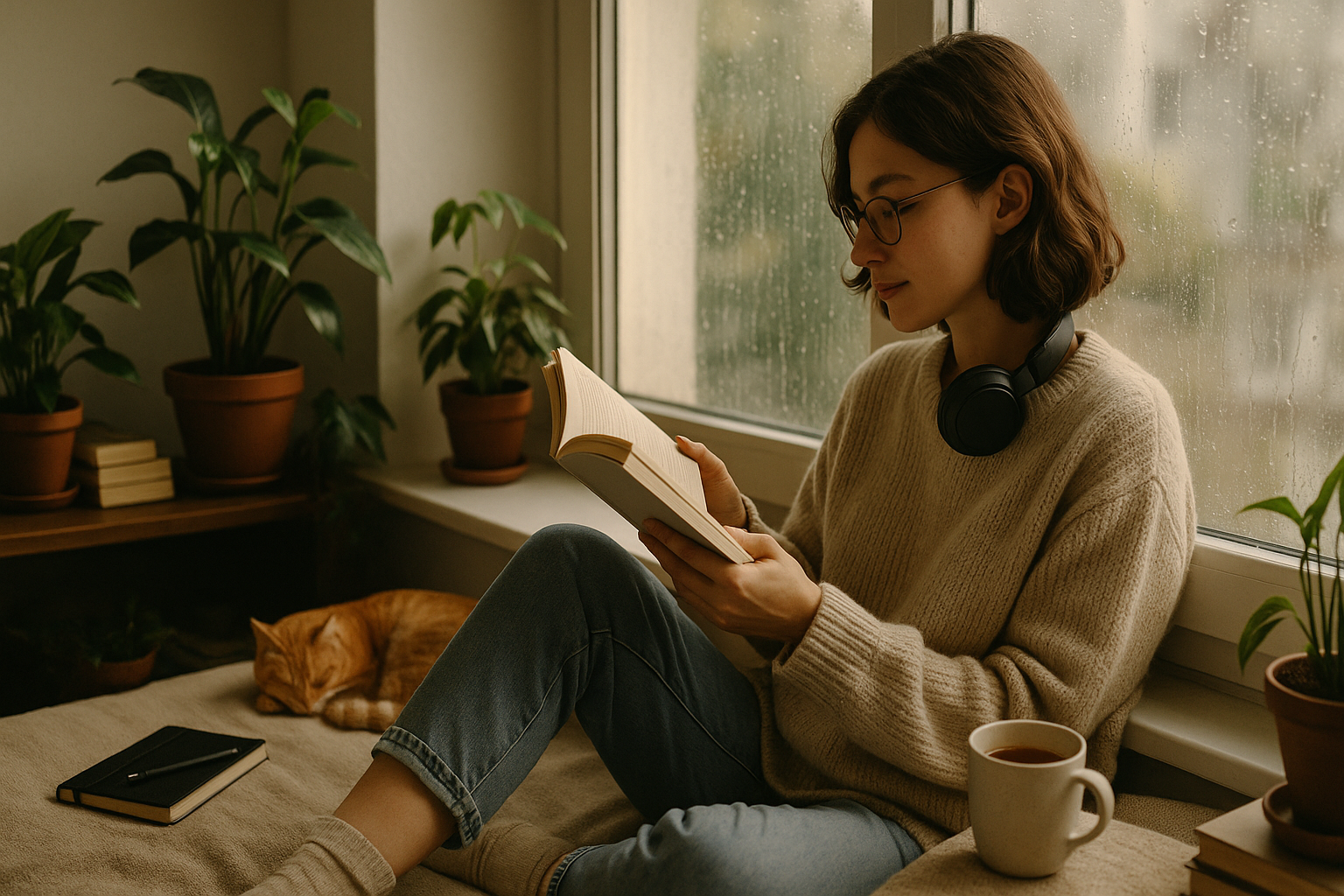
Books have always been more than just paper and ink. They’re windows into other worlds, mirrors that reflect our own inner struggles, and teachers that quietly shape the way we think and behave. For people who grew up reading a lot, those hours spent turning pages weren’t just about entertainment. Psychology suggests that early reading habits leave lasting imprints on personality, shaping how we perceive ourselves, others, and the world.
Here are nine personality traits that people who grew up surrounded by books often display—traits that continue to influence their lives long after childhood.
1. Strong empathy and perspective-taking
One of the most consistent findings in psychology is the link between reading—especially fiction—and empathy. When you grow up reading stories that place you inside the minds of characters, you practice seeing the world from viewpoints different from your own.
Children who regularly immerse themselves in novels learn to imagine how others feel, why they behave the way they do, and what motivates them. This “perspective-taking” skill becomes a habit, making avid readers more empathetic adults.
It’s no coincidence that people who grew up reading can easily “put themselves in someone else’s shoes.” Books gave them that practice again and again.
2. A reflective and introspective nature
Books don’t just introduce us to new worlds; they also encourage us to reflect on our inner lives. Growing up with books often fosters a natural inclination toward introspection.
Psychology research suggests that reading enhances metacognition—the ability to think about one’s own thinking. Readers pause to consider characters’ decisions, weigh moral dilemmas, and relate stories back to their own lives.
As adults, they carry this reflective quality into their everyday behavior, often analyzing situations deeply before making decisions. They don’t just act—they consider, contemplate, and reflect.
3. Heightened imagination and creativity
It’s no surprise that people who spent their formative years with books tend to be more imaginative. Whether it was fantasy worlds, detective mysteries, or historical dramas, books required them to build mental images from text alone.
Neuroscience backs this up: reading stimulates the brain’s “default mode network,” which is closely tied to imagination and creativity. Unlike movies or video games, books leave gaps that readers must fill with their own minds—what characters look like, how a scene feels, or how a world works.
This practice nurtures a creative mindset that often shows up later in life, whether in problem-solving, storytelling, or innovative thinking.
4. Advanced verbal and communication skills
Reading exposes people to a vast range of vocabulary, sentence structures, and modes of expression. Unsurprisingly, people who grew up reading tend to have stronger verbal skills and greater linguistic flexibility.
Psychology studies consistently show that early exposure to written language correlates with better communication later on. Not only do lifelong readers usually have an extensive vocabulary, but they also tend to articulate their ideas more clearly and persuasively.
It’s not about showing off fancy words—it’s about having the right words when they’re needed most. This skill often gives readers an advantage in both personal relationships and professional environments.
5. Intellectual curiosity and openness to ideas
Readers often develop a hunger for knowledge that extends beyond books. From biographies to science fiction, exposure to diverse perspectives fosters intellectual curiosity and openness to new ideas.
Psychologists consider this an aspect of “openness to experience”—a Big Five personality trait strongly associated with creativity, tolerance, and growth. People who grew up reading are less likely to cling rigidly to one way of thinking. They’ve seen too many worlds, too many perspectives, to believe theirs is the only one.
This openness makes them adaptable, flexible thinkers who approach life with curiosity rather than fear.
6. Patience and focus in a distracted world
Reading a book—especially a long one—requires sustained attention. Unlike the instant gratification of modern digital platforms, books demand patience.
Children who grew up with this practice often carry that ability into adulthood. They are better able to sit with complex ideas, focus on long-term projects, and tolerate delayed gratification.
In a world dominated by constant notifications and short attention spans, this ability to focus deeply can feel like a superpower. Readers know how to sink into a task and lose themselves in it—just as they once did with a book.
7. Strong sense of self and independent thinking
Books don’t just teach us about others—they help us define ourselves. Growing up reading often means encountering countless role models, both good and bad, and using those characters as mirrors to better understand personal identity.
Psychologically, this strengthens what’s called “self-concept clarity”—the sense of who you are and what you stand for. Readers test their values against those in stories, explore different identities, and gradually sharpen their own.
As adults, they often display independent thinking. They’re less likely to blindly follow trends or authority figures because they’ve long been accustomed to questioning motives, exploring alternatives, and thinking critically.
8. Emotional resilience and coping skills
Stories provide more than entertainment—they offer coping tools. Psychologists note that fiction often serves as a form of “simulated experience,” allowing readers to mentally rehearse challenges, conflicts, and emotional struggles in a safe environment.
Children who grew up with books often carry into adulthood a deeper emotional toolbox. They’ve “lived through” heartbreak, loss, triumph, and redemption in stories, making them more resilient when facing real-life challenges.
Books don’t make suffering disappear—but they help people endure it with wisdom, perspective, and sometimes even hope.
9. A lifelong love of learning
Perhaps the most enduring trait of all: people who grew up reading tend to remain lifelong learners. Books instill the idea that there is always more to discover, more to understand, and more to explore.
Psychology research shows that reading is strongly correlated with “intrinsic motivation”—doing something for the joy of it rather than for external rewards. This attitude naturally extends to learning.
Whether it’s picking up new hobbies, exploring philosophy, or diving into a new field of study, lifelong readers rarely lose their appetite for growth. For them, curiosity isn’t just a childhood phase—it’s a way of being.
Final thoughts
The beauty of books lies in their subtlety. You don’t always notice the ways they’re shaping you while you’re lost in their pages. But psychology makes clear that reading in childhood leaves a powerful legacy: empathy, imagination, patience, resilience, and an enduring love of learning.
If you grew up surrounded by books, chances are you carry many of these traits with you today. And if you didn’t, it’s never too late. The human brain remains plastic throughout life, meaning the benefits of reading can still be cultivated at any age.
After all, every book we read becomes part of us. And in the end, those stories don’t just make us better readers—they make us more fully human.
