Children who grew up as the responsible one in their family often become adults who cannot choose themselves without feeling like the whole structure will collapse. The structure never collapses. It just adjusts.
Posted 04 Apr 2026, by

Isabella Chase

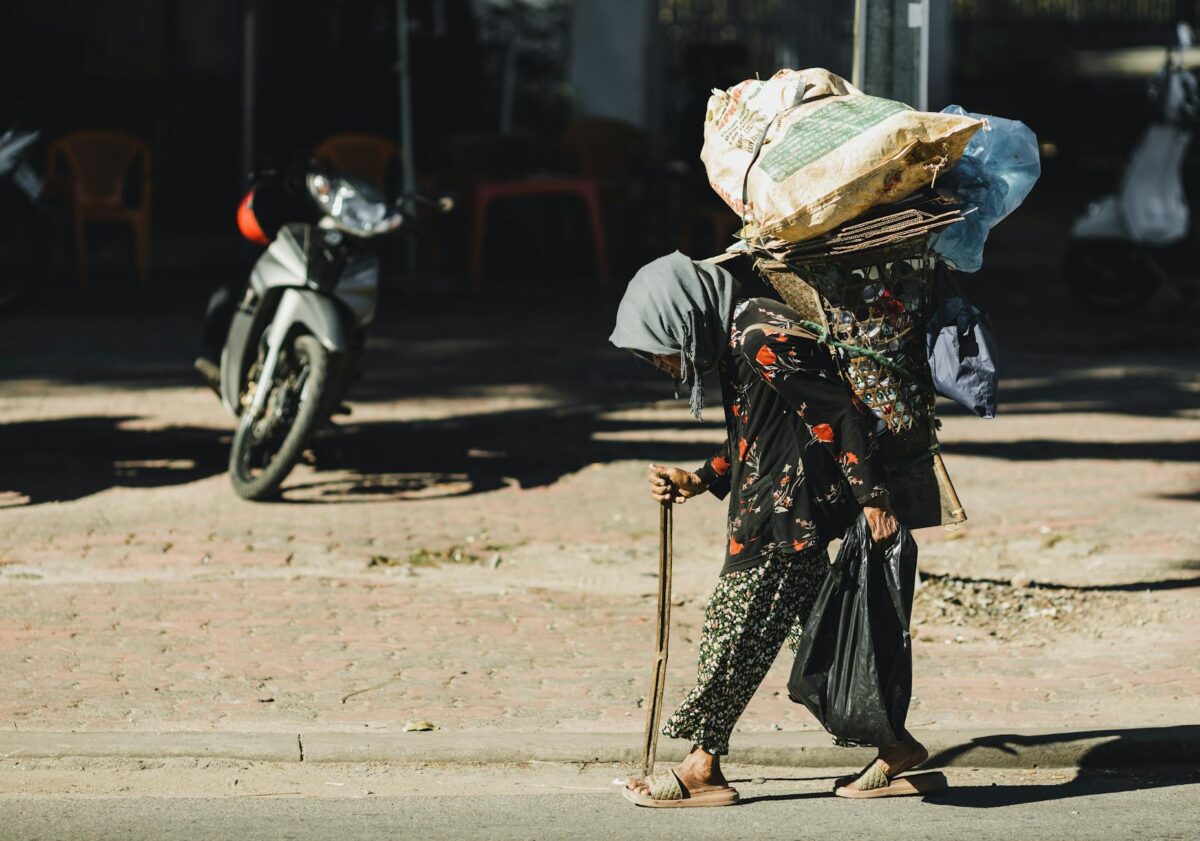
An elderly woman carries a heavy load on her back in Kon Tum, Vietnam, showcasing resilience.

The family that relied on its most responsible child almost never fell apart when that child eventually, tentatively, began to pull back. This is the counterintuitive truth that years of watching my own patterns and reading the research have finally made legible to me: the collapse we fear ...Read More


Psychology says the courage to choose yourself usually arrives not as a dramatic moment but as a slow, exhausted realization that the version of you everyone loves is a performance, and you are running out of energy to keep the show going

Posted 04 Apr 2026, by

Isabella Chase

A woman in a face mask stands on a bustling street in Bogotá, capturing the new normal during the pandemic.

The courage to choose yourself almost never arrives the way the culture tells you it will. There is no cinematic moment of clarity, no slammed door, no triumphant speech delivered to the people who have been taking too much from you for too long. What actually happens is ...Read More

Neuroscience reveals that the discomfort you feel when choosing yourself over others activates the same brain regions as physical pain. This is why people stay in self-abandoning patterns for decades, and why breaking free requires genuine courage, not just awareness

Posted 04 Apr 2026, by

Isabella Chase

Artistic portrait of a woman looking sideways through torn purple paper, adorned with a band aid and flowers.

Choosing yourself should feel like relief. That's what every self-help framework promises: that the moment you start honoring your own needs, a kind of lightness will follow, a settling into rightness. But anyone who has actually tried it, who has actually said no to someone they love, who ...Read More

Psychologists explain that the guilt you feel when you finally put yourself first isn’t a sign you’re doing something wrong. It’s the emotional residue of decades spent believing that self-sacrifice was the only acceptable form of love

Posted 04 Apr 2026, by

Isabella Chase

A pensive young woman with afro hair contemplating and looking away, emphasizing individuality and emotion.

Guilt that arrives when you prioritize yourself is one of the most misunderstood emotional signals in human experience, because nearly everyone interprets it as evidence that they've done something selfish, when in reality it is evidence of something far older and more structural than any single decision. The conventional ...Read More

Psychology says the reason some adults still ache when they see a parent playing with a child in a park isn’t sentimentality. It’s recognition of the exact thing they needed and never received, and the grief is not small.

Posted 03 Apr 2026, by

Isabella Chase

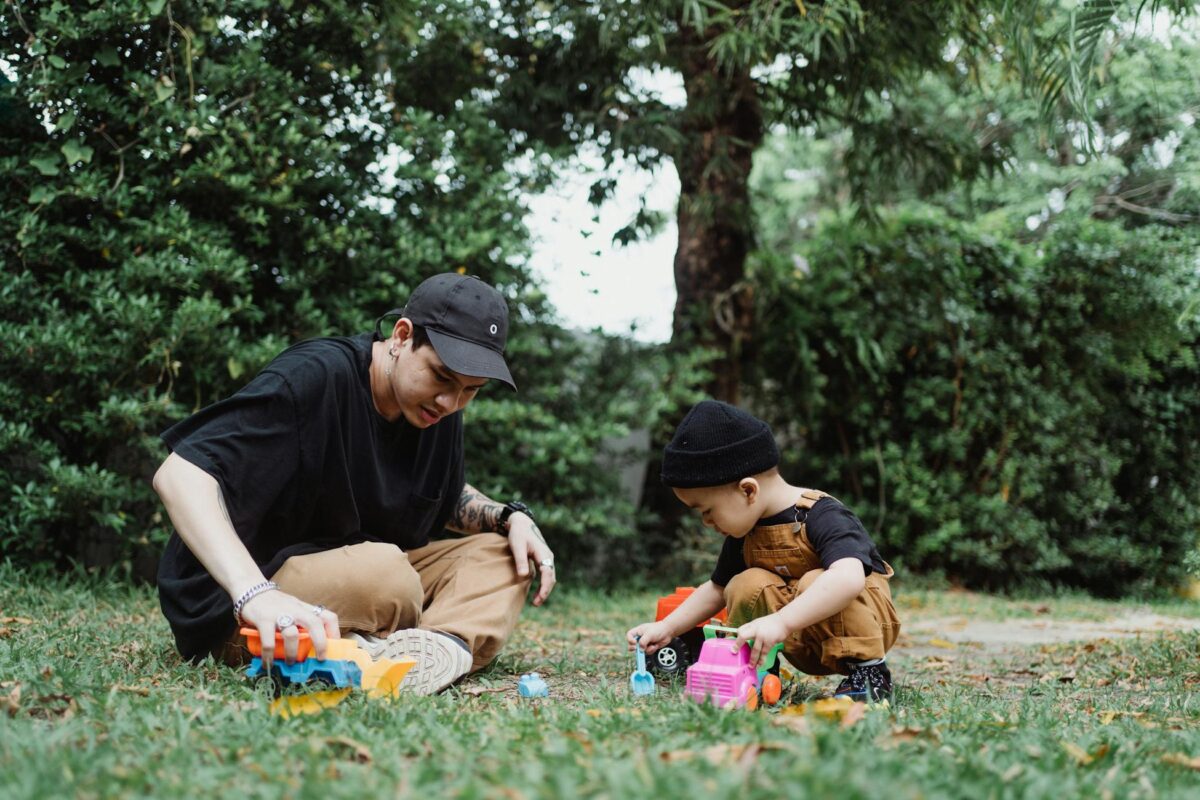
A father and son enjoy quality playtime outdoors with toy cars, bonding in nature.

Most adults who tear up watching a parent chase a toddler through a park will tell you they're being sentimental. They'll laugh at themselves, blink it away, maybe say something about how fast kids grow up. The counterintuitive truth is that sentimentality has almost nothing to do with ...Read More

Neuroscience reveals that when a parent plays with a child and is genuinely engaged, the child’s brain doesn’t just register fun. It registers safety, belonging, and the foundational belief that they are worth someone’s full attention.

Posted 03 Apr 2026, by

Isabella Chase

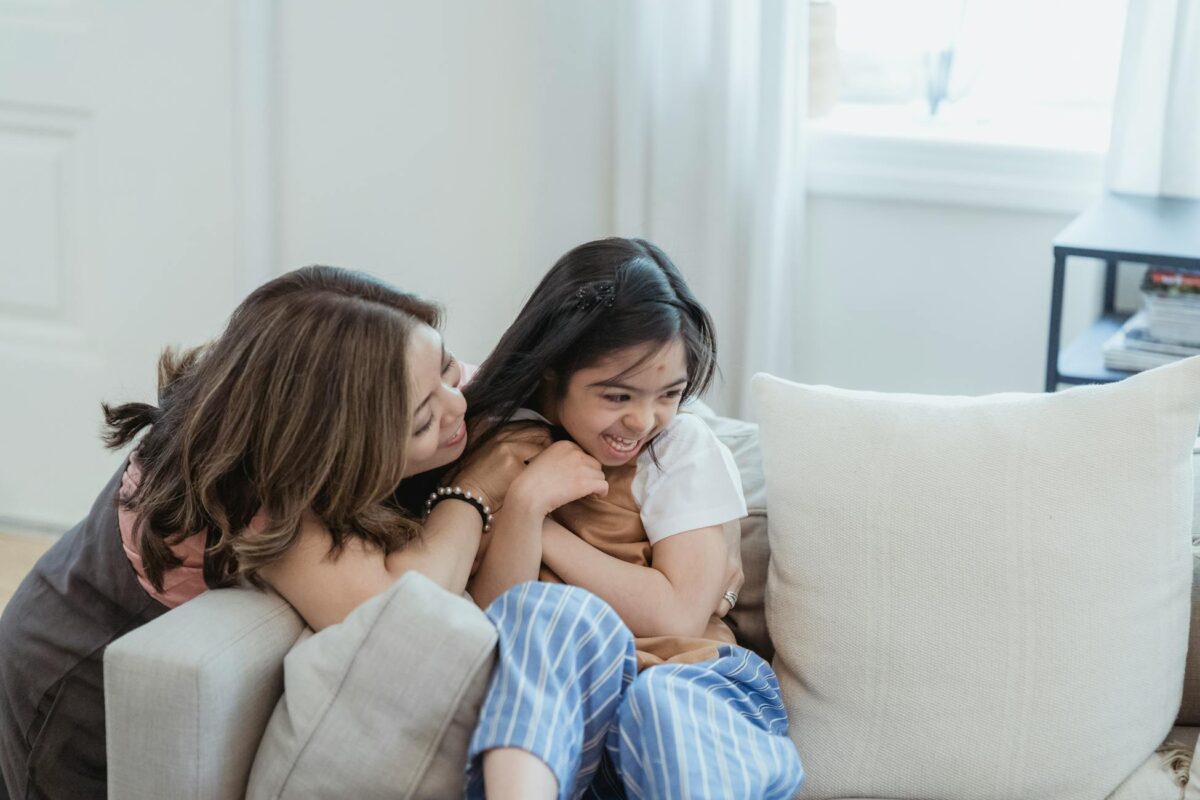
Joyful mother and daughter embracing and laughing at home.

The most consequential thing a parent can do for a child's developing brain costs nothing, requires no expertise, and looks, from the outside, entirely unremarkable. It is simply this: getting on the floor, picking up whatever the child is holding, and being genuinely present while doing so. Not ...Read More