Why some words survive translation and others just get replaced

Posted 04 Sep 2026, by

Brendan Brown

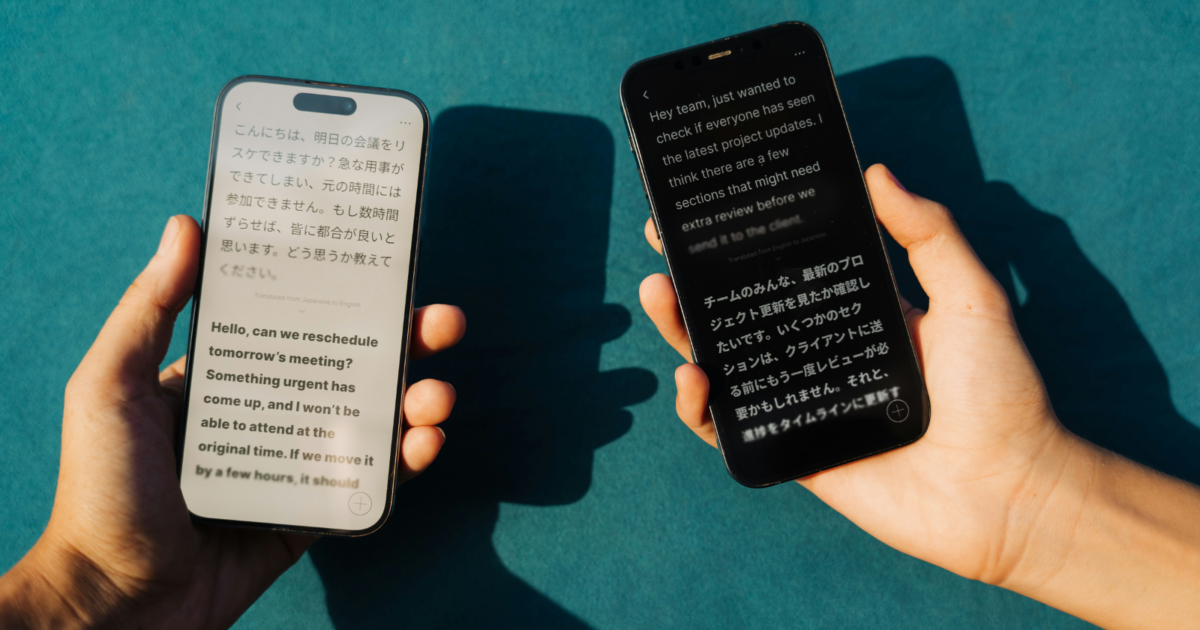
English runs on borrowed words most speakers never think twice about. Kindergarten came from German. Karaoke came from Japanese. Déjà vu and zeitgeist and schadenfreude arrived, kept their original spelling, and simply moved in. Meanwhile, for every word that survives the crossing intact, thousands of others get quietly swapped ...Read More

Track changes hides how much of your own writing survived the edit

Posted 02 Sep 2026, by

Brendan Brown

"The inability to 'see' revision as a process: the inability to 're-view' their work again, as it were, with different eyes." That is composition scholar Nancy Sommers, writing in 1980, long before anyone edited a manuscript inside a colored overlay of insertions and deletions. She was describing student writers ...Read More

A shorter sentence isn’t always the better one

Posted 01 Sep 2026, by

Graeme Brown

Ask a roomful of writers what makes a sentence good, and most of them will land, sooner or later, on the same word: shorter. Cut it. Trim it. Get out before you've said too much. It's advice I've heard in newsroom style sheets, in composition classes, and in more editing ...Read More

The words you recognize outnumber the ones you actually use

Posted 27 Aug 2026, by

Brendan Brown

I have spent close to two decades reading other people's drafts, first as a writer trying to figure out how sentences work, then as an editor whose whole job is noticing what a writer almost said. One thing shows up across thousands of manuscripts, academic and creative and corporate ...Read More

The comma decisions spell-check will never catch

Posted 27 Aug 2026, by

Graeme Brown

A spell-checker is good at exactly one kind of mistake: the kind with a right answer. Misspell a word and it knows. Drop a verb and, most of the time, it flags the gap. But there's a whole category of comma decision that never trips an underline, because nothing ...Read More