

There’s a certain type of adult who has no close relationships and has built a whole life around the absence — they have routines, hobbies, a quiet apartment, a manageable week, and only at certain hours of certain nights does the shape of what’s missing become impossible to ignore

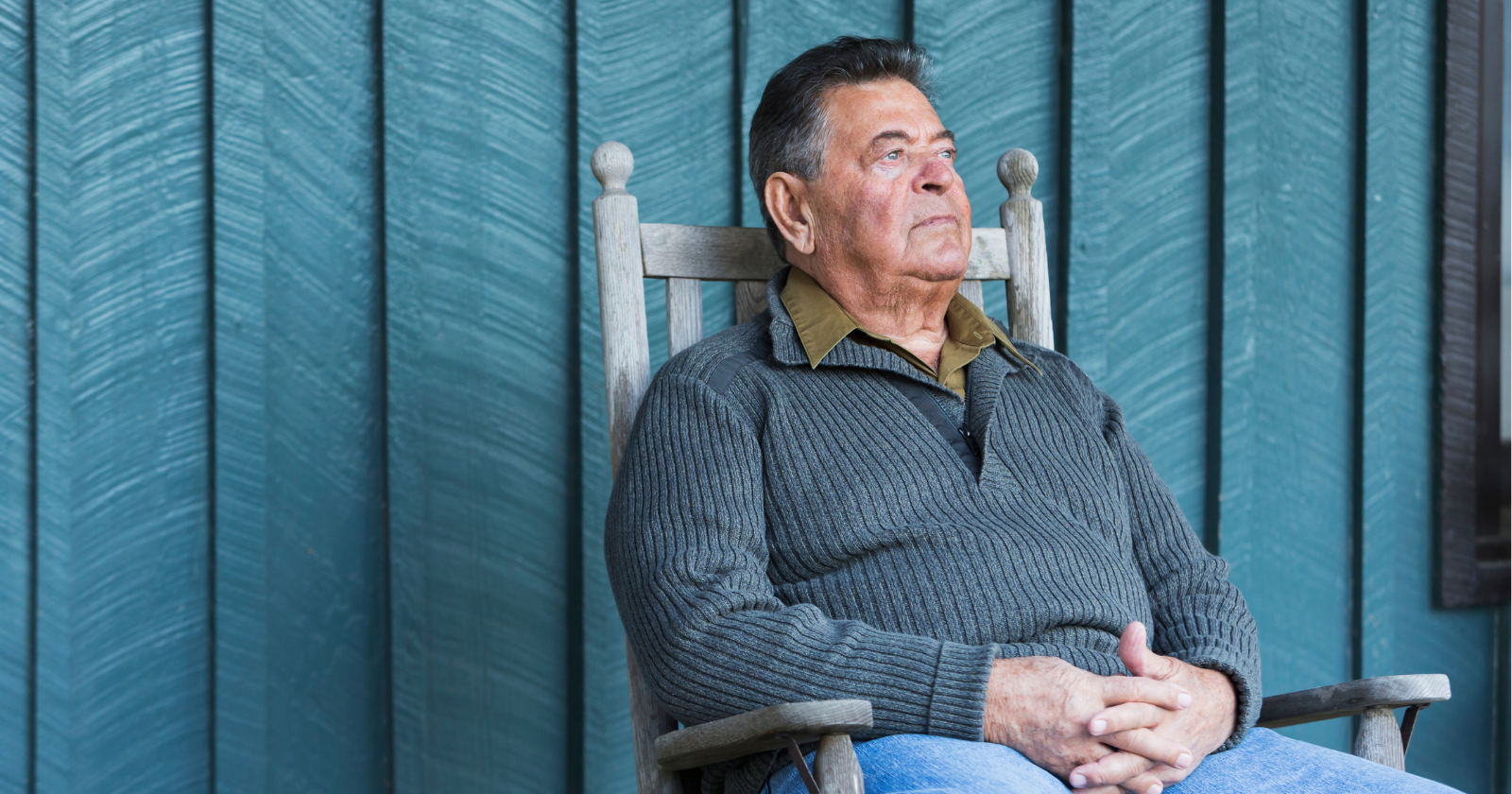
I know a certain type of person extremely well, because for a stretch of my thirties I was him.
He’s fine. That’s the first thing he’ll tell you, and he’ll mean it. He has a clean flat and a good coffee setup and a week that runs like a Swiss watch. Gym on the days that end in the right letters, a couple of hobbies he’s quietly excellent at, a fridge with actual vegetables in it. He’s not sad. He’s not falling apart. By every visible measure he’s doing rather well.
And he has no one. Not in the way that counts. Plenty of acquaintances, sure, a few people he’d call mates. But nobody who’d notice if he didn’t show up. Nobody he could ring at 4am. He has built an entire functioning life around an absence, and he’s so good at it that most days he can’t see the absence at all.
The architecture of being fine
Here’s what people misunderstand about this kind of solitude. It doesn’t look like loneliness. Loneliness looks dramatic, leaking, obvious. This looks like competence.
The orderly flat isn’t an accident. The packed routine isn’t an accident. When you’ve got nobody pulling on your time, you can engineer your days to a frankly suspicious degree of smoothness. No compromises. No one else’s mess to absorb. No plans wrecked by someone else’s bad week. You become the sole author of your own calendar, and you can make it gorgeous.
The hobbies fill the evenings. The routine fills the structure. The work fills the meaning slot. Brick by brick you build a life so well-organised that there’s no obvious gap, no slot marked “this is where another person would go.” You’ve designed the gap out. You’ve smoothed it over so completely that for most of the week you genuinely forget it’s there.
For most of the week.
The hour the building cracks
But there are certain hours. And anyone who’s lived like this knows the exact ones I mean.
For me it was Sunday, around six in the evening. The light going amber and sad, the weekend folding up its tent, the week ahead not yet started. Some dead, undefended hour where there’s nothing to do and nothing to perform and no task to hide behind. The hobby’s been done. The flat’s already clean. The phone has nothing on it.
And in that gap, with all the scaffolding briefly down, the shape of the thing you’ve been building around becomes impossible to ignore. You feel the exact dimensions of the absence, the precise size of the person who isn’t there, like running your tongue over the space where a tooth used to be.
It doesn’t last. That’s almost the cruellest part. Monday comes, the machine starts again, the routine swallows you back up, and by Tuesday you’ve genuinely forgotten the Sunday feeling ever happened. Until next Sunday, six o’clock, amber light, and there it is again, faithful as a tide.
The night the dog stared at me
I’ll tell you the precise moment I stopped being able to lie to myself about it.
I’d just moved to Bangkok, knew almost no one, and had thrown myself into the project of building the perfect frictionless single man’s life. New flat, new gym, new routines, the lot. I was, by my own assessment, thriving. I told everyone back home I was thriving. I almost believed it.
One Sunday evening I’d cooked myself an absurdly elaborate dinner. Proper restaurant-grade plating, for an audience of me. And as I sat down to eat this beautiful pointless meal, one of my dogs, who’d been watching the whole performance from the doorway, walked over and just rested his chin on my knee and looked up at me.
No agenda. He’d been fed. He just wanted to be near me while I ate. And I sat there with my fork halfway up, this lovingly plated dinner going cold, and felt something split right down the middle of me. Because here was a creature who simply wanted to share the moment, and I realised I had built a life with almost no one left in it to share moments with. I’d been so busy proving I didn’t need anyone that I’d quietly arranged for there to be no one. The dog had clocked the loneliness before I had. He’d been the only one in the room to spot it, because he was the only one in the room.
I put the fork down and didn’t finish the meal. Sat on the kitchen floor with the dog instead, which a five-star restaurant would not recommend, and which was the most honest thing I’d done in months.
Why the trap is so well-disguised
The reason this state is so sticky is that it rewards you constantly. Every smooth, uncompromised day is a small vote for keeping things exactly as they are. See, no drama. No one let me down. No one drained me. The system works.
Connection, by contrast, is a mess. It’s other people’s moods and needs and terrible timing. It’s being asked for things. It’s compromise and disappointment and the occasional outright betrayal. Set the frictionless solo life beside all that, and on a spreadsheet the solo life wins easily. Lower cost. Lower risk. Cleaner books.
What the spreadsheet leaves out is that we’re not built to balance our own books alone. Psychologists who study this talk about loneliness as a biological signal, the way hunger or thirst is, a nudge from the body saying you’re missing something essential to survival. And like hunger, you can override it. You can get so used to ignoring the pang that you stop registering it as a pang at all. People can quietly starve in this department while reporting that they’re full. Doesn’t mean the need went away. Means the alarm got muffled.
You can’t optimise your way out of needing people
The dangerous bit is that this life feels like strength. Self-sufficiency, independence, not being a burden, all the things we’re taught to admire. And there’s truth in it. Learning to enjoy your own company is genuinely one of the best things you can do.
But there’s a line, faint and easy to miss, between enjoying your own company and using your own company as a bunker. On one side, solitude is a room you choose to sit in. On the other, it’s a fortress you’ve sealed yourself into, telling yourself the walls are for protection while quietly forgetting where you put the door.
I’d crossed that line without noticing. I’d dressed up a fear of being let down as a preference for being alone, and built such a convincing life around the disguise that I’d fooled myself most days of the week.
The way back is unglamorous and slow
If any of this is landing too close to home, I’ll spare you the dramatic prescription, because there isn’t one. You don’t fix years of careful self-isolation with one bold gesture.
You fix it the same way you built the trap, brick by tedious brick, only in reverse. You let one small inefficiency back in. You say yes to the thing you’d normally decline. You text the person first, even though it’s mortifying and they might not reply. You deliberately leave a gap in the perfect week and let an actual human stumble into it.
It will feel worse before it feels better. Connection always does at first, after a long time without it, the way a numb limb hurts as the blood comes back. That ache isn’t a sign you’ve made a mistake. It’s a sign the feeling’s returning.
And keep an eye on that Sunday-evening hour. It’s not your enemy. It’s the one moment the week stops shouting long enough for you to hear what you’ve been arranging your whole life around. Don’t fill it back up too quickly. Sit in it. Let it tell you the truth. Then, when you’re ready, go and find someone to put their chin on your knee.