

The Expert Editor has been a professional editing company since 2012, when Brendan Brown founded it in Melbourne to give academics, authors, and businesses access to editors who know their fields. This blog grew out of that same work — writing, editing, language, and the human side of communication — reviewed by Brendan Brown and Graeme Brown, the editors on our masthead, before every article goes live.
We organise what we publish around three pillars: Writing & Editing, for the craft and mechanics our editors apply every day; Language & Reading, for vocabulary, books, and how reading shapes the way people write; and The Writer’s Mind, for the procrastination, perfectionism, and stuck points that have less to do with grammar and more to do with actually finishing something.
Read our Editorial Standards · Meet the editors behind the work
Featured articles

The comma decisions spell-check will never catch
A spell-checker is good at exactly one kind of mistake: the kind with a right answer. Misspell a word and it knows. Drop a verb and, most of…
The words you recognize outnumber the ones you actually use
I have spent close to two decades reading other people's drafts, first as a writer trying to figure out how sentences work, then as an editor whose whole…

The editing pass most writers skip
I ask writers to do one thing before they send me a manuscript they think is finished: read it aloud, start to finish, in a room where they…

Deadlines and the writing brain: why constraint helps more than time
Writers tell me some version of the same thing often enough that I've stopped being surprised by it: they do their best work with a deadline bearing down,…

Rereading: why the books you return to read differently
A book I taught for the better part of two decades reads like a different novel to me now than it did in my thirties. Same paperback, same…
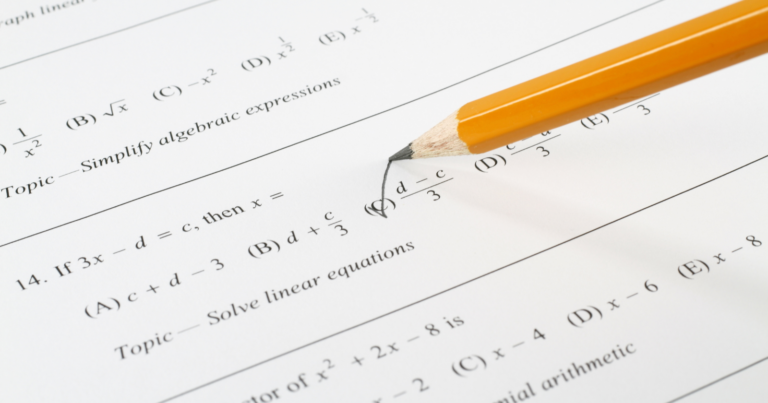
What forty years of marking maths papers taught me about giving feedback on writing
I marked mathematics papers for the better part of four decades — first as a teacher, later as an assistant principal who still couldn’t leave a red pen…
Writing & Editing
How to write clearly and precisely: grammar, editing craft, proofreading, and thesis, essay, and academic writing guides.

The edits a manuscript needs most are rarely the ones a writer expects
Before you read any further, try this. Think back to the last time you sent something you'd written, a chapter, a proposal, a full…

Track changes hides how much of your own writing survived the edit
"The inability to 'see' revision as a process: the inability to 're-view' their work again, as it were, with different eyes." That is composition…
A shorter sentence isn’t always the better one
Ask a roomful of writers what makes a sentence good, and most of them will land, sooner or later, on the same word: shorter.…
The comma decisions spell-check will never catch
A spell-checker is good at exactly one kind of mistake: the kind with a right answer. Misspell a word and it knows. Drop a…
More from Writing & Editing →
Language & Reading
Vocabulary, words, books, and reading culture: what we read and how language shapes the way we think.
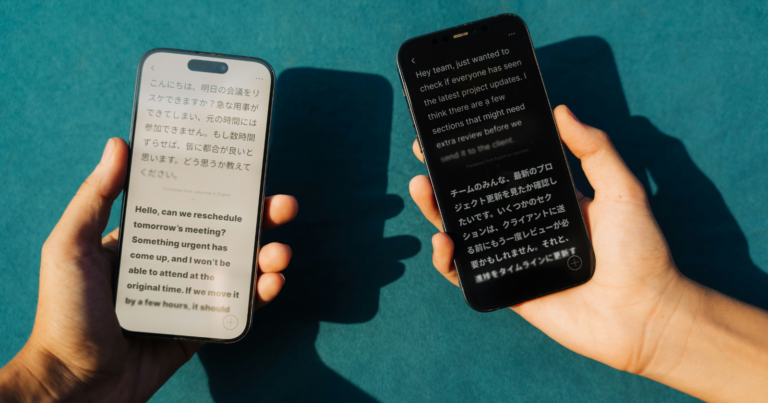
Why some words survive translation and others just get replaced
English runs on borrowed words most speakers never think twice about. Kindergarten came from German. Karaoke came from Japanese. Déjà vu and zeitgeist and…

Reading fast and reading well are not the same skill
There are two ways to get from one end of a book to the other. One is a highway: fast, direct, and built to…
The words you recognize outnumber the ones you actually use
I have spent close to two decades reading other people's drafts, first as a writer trying to figure out how sentences work, then as…

Can an apology be too polished to feel sincere?
Here are two things that are both true, according to recent research. People who choose harder, more effortful words when they apologize are perceived…
More from Language & Reading →
The Writer’s Mind
The working experience of writing: perfectionism, procrastination, imposter syndrome, and creative blocks — and how writers work through them.

The slow drafts are usually the ones worth finishing
A draft that comes together fast feels like a small triumph while it's happening. You sit down, the sentences arrive in something close to…

Stuck on the right word? A boring break beats resting to find it
Getting stuck on a problem costs more than the minutes spent staring at it. Push through anyway and the same three approaches tend to…

A walk can unstick your draft — but save the editing for after
Most people who swear by walking for good ideas will tell you it's the fresh air doing it, or the trees, or getting away…

The habit that separates people who finish things from people who plan to
A plan sitting untouched in a notes app. A resolution that made it three weeks. A folder of half-started projects, each one still technically…
More from The Writer’s Mind →