Why some words survive translation and others just get replaced
Posted 04 Sep 2026, by

Brendan Brown

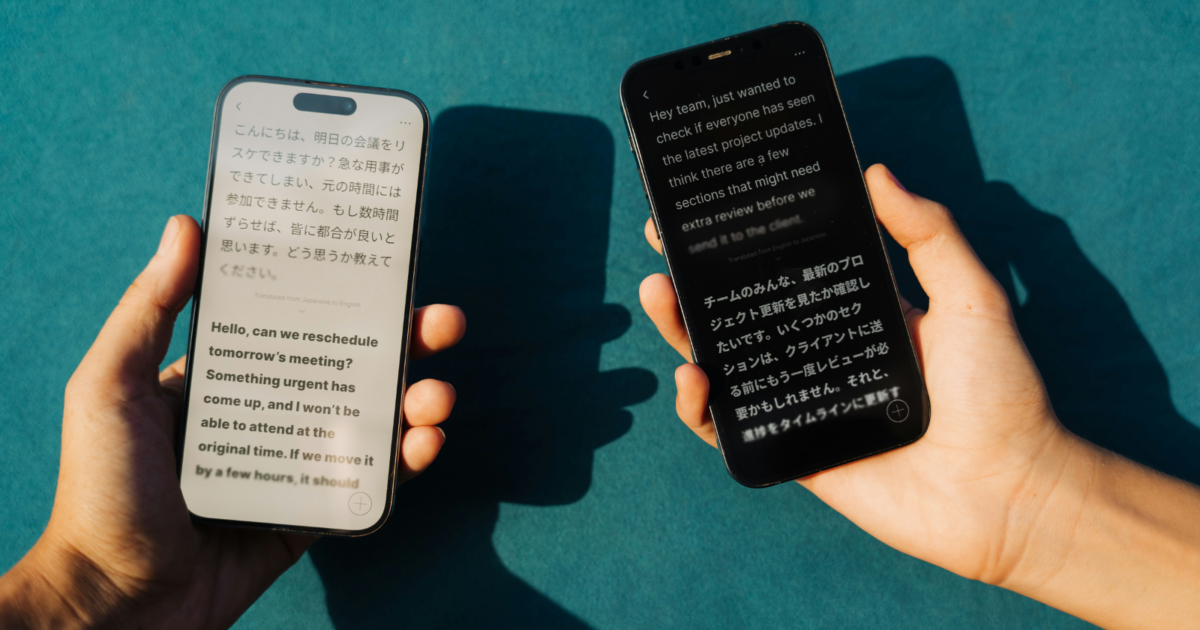
English runs on borrowed words most speakers never think twice about. Kindergarten came from German. Karaoke came from Japanese. Déjà vu and zeitgeist and schadenfreude arrived, kept their original spelling, and simply moved in. Meanwhile, for every word that survives the crossing intact, thousands of others get quietly swapped ...Read More

Reading fast and reading well are not the same skill

Posted 29 Aug 2026, by

Brendan Brown

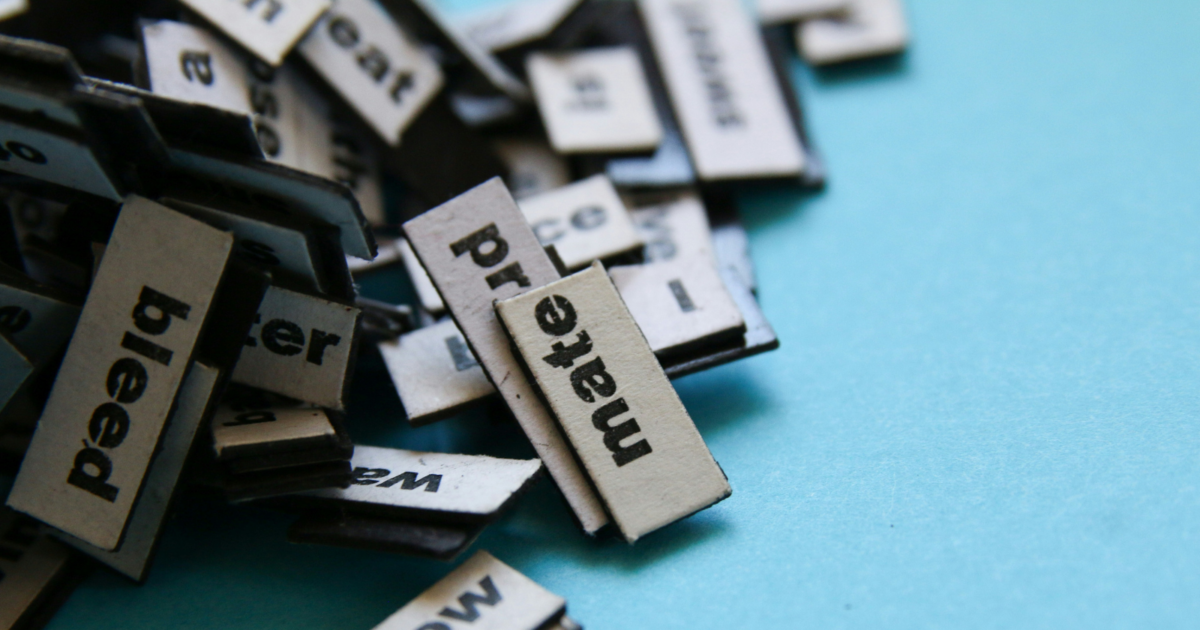
There are two ways to get from one end of a book to the other. One is a highway: fast, direct, and built to get you to the last page with the least friction possible. The other is the old road that runs beside it, the one that takes ...Read More

The words you recognize outnumber the ones you actually use

Posted 27 Aug 2026, by

Brendan Brown

I have spent close to two decades reading other people's drafts, first as a writer trying to figure out how sentences work, then as an editor whose whole job is noticing what a writer almost said. One thing shows up across thousands of manuscripts, academic and creative and corporate ...Read More

Can an apology be too polished to feel sincere?

Posted 11 Aug 2026, by

Expert Editor Editorial Team

Here are two things that are both true, according to recent research. People who choose harder, more effortful words when they apologize are perceived as more sincere. People whose apology sounds too smooth, too rehearsed, are perceived as less sincere. Set those two findings side by side and they seem ...Read More

Why “literally” can mean its own opposite now

Posted 10 Aug 2026, by

Expert Editor Editorial Team

Here is the contradiction sitting inside one of the most commonly used words in English. "Literally" exists to do one job: to tell a listener that what follows is not an exaggeration, not a figure of speech, not a colorful way of putting things, but the plain truth. And ...Read More