

Words, vocabulary, books, and reading culture — how language works, and how the things we read shape the way we think and write.
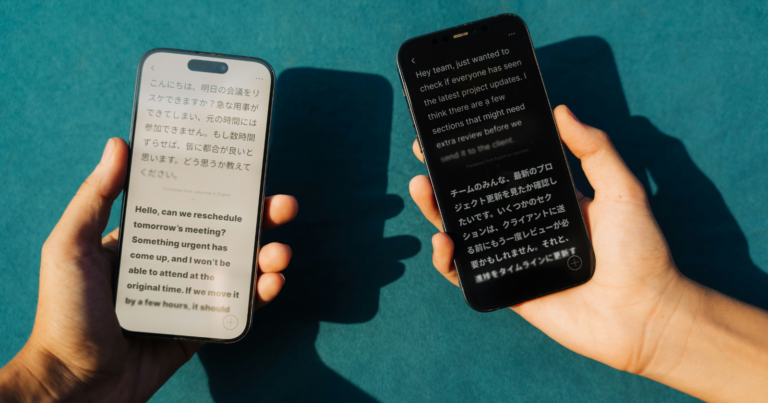
Why some words survive translation and others just get replaced
English runs on borrowed words most speakers never think twice about. Kindergarten came from German. Karaoke came from Japanese. Déjà vu and zeitgeist and…

Reading fast and reading well are not the same skill
There are two ways to get from one end of a book to the other. One is a highway: fast, direct, and built to…
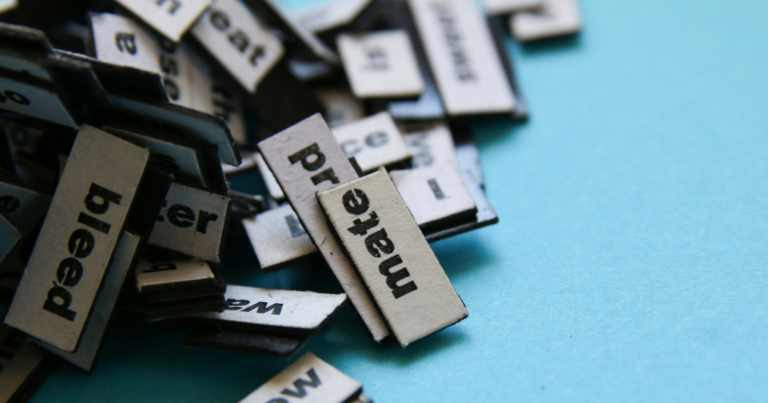
The words you recognize outnumber the ones you actually use
I have spent close to two decades reading other people's drafts, first as a writer trying to figure out how sentences work, then as…

Can an apology be too polished to feel sincere?
Here are two things that are both true, according to recent research. People who choose harder, more effortful words when they apologize are perceived…
Why “literally” can mean its own opposite now
Here is the contradiction sitting inside one of the most commonly used words in English. "Literally" exists to do one job: to tell a…

Why “per my last email” often feels like the most passive-aggressive sentence in the English language
Picture the message landing in your inbox. It opens with your name, maybe even a pleasant enough greeting, and then, three words in: "Per…

Why a text that ends with a period reads colder than one that doesn’t
Researchers at Binghamton University once handed a group of undergraduates a stack of short text-message exchanges and asked them to rate how sincere each…
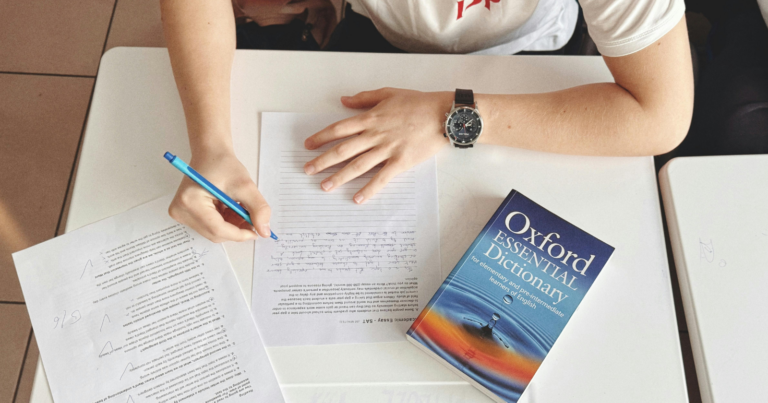
How a word earns its place in the dictionary
Based on a common picture of dictionary editors as gatekeepers, they sit in judgment on which new words are legitimate enough to let through…
Plain English isn’t dumbing down: what readability actually measures
A common assumption treats simple sentences as a sign of simple thinking, and long, elaborate ones as evidence of a sharper mind behind them.…

Rereading: why the books you return to read differently
A book I taught for the better part of two decades reads like a different novel to me now than it did in my…
Why we misread: what skim-reading does to comprehension
A reader opens a long article on their phone, gets three paragraphs in, and starts thumbing down the screen in short, fast strokes —…

Why reading retention fails (and the note-taking habit that fixes it)
You finish a good book, close it with the pleasant sense that you have understood it, and a month later you can recall the…

Reading like an editor: what changes on the second pass
My wife can finish a novel in an afternoon and tell you exactly how it made her feel. I have never been able to…

Australian vs American vs British English: a writer’s style guide
An Australian writer sits down to write for an international audience and immediately hits a decision most people never consciously make: which English? The…

9 books every writer should read at least once
Ask ten editors for the books that actually changed how they work and you will hear the same handful of titles over and over.…

12 words worth knowing — and what they teach you about precision
Editors develop a particular relationship with vocabulary. Not the spelling-bee kind — the working kind. When you spend your days fixing other people's sentences,…

Infographic: the reading habits of millennials
When teens and young adults are immersed in their smartphones, what do you think they're doing? Scrolling their Instagram feed? Chatting to friends on…

The bookshelves of 18 extraordinary people (Infographic)
What do Donald Trump, Taylor Swift, the Duchess of Cambridge and Noam Chomsky all have in common? Apart from being extraordinarily successful, they love…

The ultimate flowchart for finding your next book
Ah, summertime (in the northern hemisphere at least!). That blissfully balmy time of year where school's out, vacations are scheduled, and the beach beckons.…

14 ways reading improves your mind and body (Infographic)
As any avid book reader can tell you, immersing yourself in a great book can make your brain come alive. It sounds romantic, but…