

8 signs someone is pretending to be happy in their marriage but is actually deeply unhappy

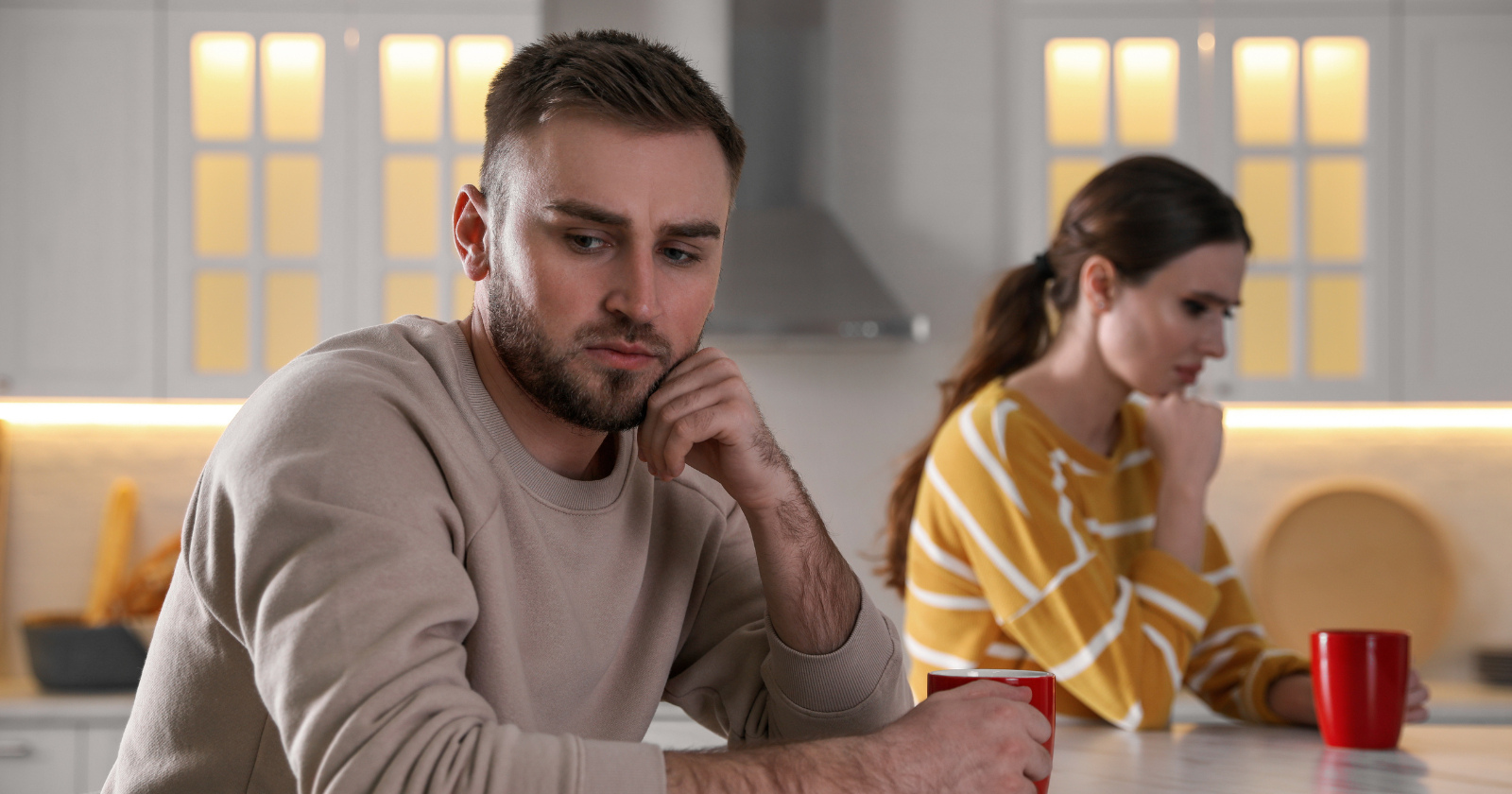
In my practice, I once worked with a couple who seemed perfect on paper. They showed up to every social event together, posted anniversary photos on Facebook, and never missed a chance to compliment each other in public. But during our third session, when I asked them to describe their daily interactions, the wife broke down completely. “I feel like I’m performing in a play,” she said. “Everyone thinks we’re so happy, but I haven’t felt connected to him in years.”
That moment stuck with me because it revealed something I’ve seen countless times since: people can become experts at pretending everything’s fine while carrying deep unhappiness inside. After 12 years of counseling couples, I’ve learned to spot the subtle signs that someone’s putting on a brave face while their marriage is quietly crumbling.
If you’re worried about someone you care about, or maybe questioning your own situation, here are eight signs that might indicate someone’s masking their marital unhappiness.
1. They go overboard with public displays of affection
You know that couple who’s constantly all over each other at parties but barely speaks when they think no one’s watching? There’s often something deeper happening there.
When someone feels insecure about their relationship, they might compensate by putting on a show for others. It’s like they’re trying to convince themselves as much as everyone else. I’ve noticed this pattern particularly on social media, where couples post gushing tributes about their “amazing spouse” yet can’t remember the last time they had a real conversation at home.
One client told me she felt pressured to maintain the image of a perfect marriage because admitting problems would mean facing the reality she’d been avoiding. The more disconnected she felt privately, the more affectionate she became publicly.
2. Their smile never reaches their eyes
This one’s subtle but telling. When someone genuinely smiles, their whole face lights up. But forced happiness creates what I call the “mannequin smile” where the mouth moves but the eyes stay flat and distant.
I remember noticing this with a friend at her anniversary dinner. She was laughing at all the right moments, but her eyes looked exhausted, almost vacant. Later, she confided that she’d been going through the motions for months, hoping things would magically improve.
Pay attention to those micro-expressions. Real joy can’t be faked for long, and the eyes always tell the truth.
3. They avoid talking about the future with their spouse
Have you noticed someone deflecting whenever future plans come up? Maybe they change the subject when retirement or vacation planning gets mentioned, or they make vague comments like “we’ll see what happens.”
This avoidance often signals that someone can’t imagine a future with their partner but isn’t ready to admit it. They’re living day to day because thinking ahead feels overwhelming or depressing.
In healthy marriages, partners naturally dream together about what’s next. When that stops, it’s usually because one or both people have emotionally checked out.
4. They throw themselves into everything except their marriage
Work becomes all-consuming. The gym routine goes from three days to seven. Suddenly they’re volunteering for every committee, coaching three sports teams, or picking up new hobbies that conveniently keep them out of the house.
While having interests outside marriage is healthy, using them as an escape route isn’t. I’ve seen this pattern repeatedly where people create busy lives to avoid facing an empty relationship. They’d rather be exhausted than sit with the uncomfortable silence at home.
One woman I worked with realized she’d signed up for so many activities that she only saw her husband for about an hour each day. “It was easier than pretending to enjoy his company,” she admitted.
5. They become the relationship advice guru for everyone else
Here’s an interesting paradox I’ve observed: people in troubled marriages often become the go-to person for relationship advice. They share articles about communication, post inspirational quotes about love, and counsel friends through their problems.
Why? Sometimes it’s projection. Giving advice about what makes relationships work helps them feel in control when their own situation feels chaotic. Other times, it’s wishful thinking, like they’re describing the relationship they wish they had.
I caught myself doing this early in my career, before my husband and I learned that long-term love is built on small daily repairs, not grand gestures or perfect communication strategies.
6. Their health mysteriously declines
Chronic unhappiness takes a physical toll. I’ve noticed clients developing mysterious ailments that doctors can’t quite diagnose: constant headaches, stomach problems, insomnia, or fatigue that rest doesn’t cure.
The body keeps score of emotional pain. When someone’s pretending to be happy while suppressing deep dissatisfaction, their body often rebels. They might not consciously acknowledge their unhappiness, but their physical symptoms tell a different story.
Stress hormones from maintaining a facade day after day create real health issues. If someone’s suddenly dealing with multiple health complaints that appeared after getting married or during a rough patch, it might be their body’s way of expressing what they can’t say out loud.
7. They make jokes that aren’t really jokes
“Marriage, am I right?” followed by uncomfortable laughter. “The old ball and chain” comments that feel a bit too pointed. Sarcastic remarks about their spouse disguised as humor but carrying a sharp edge.
These “jokes” are often the only safe way someone feels they can express their frustration. They’re testing the waters, seeing if anyone else relates, while maintaining plausible deniability. If challenged, they can always say they were just kidding.
But repeated negative humor about a spouse reveals real resentment bubbling under the surface. Happy people don’t consistently make their partner the punchline.
8. They’ve stopped fighting altogether
This might seem counterintuitive, but complete absence of conflict can signal deeper problems than regular arguments. When someone stops fighting, it often means they’ve stopped caring enough to engage.
Fighting, when done respectfully, shows investment in making things work. It means both people still believe the relationship is worth the effort. But when someone gives up entirely, accepting whatever happens without pushback, they’ve often already left emotionally.
I’ve seen couples who pride themselves on never fighting, only to discover that one partner checked out years ago. They stopped arguing because they stopped believing things could change.
Final thoughts
Recognizing these signs in someone you care about can be heartbreaking. Maybe you’ve spotted them in your own marriage, and that realization feels overwhelming.
What I’ve learned through my work is that many people confuse intensity with intimacy, staying in unhappy situations because the drama feels like connection. But real intimacy doesn’t require performance or pretense.
If you’re seeing these patterns in yourself or someone close to you, know that acknowledgment is the first step toward change. Unhappy marriages don’t have to be permanent sentences. Sometimes recognizing the truth, however painful, opens the door to either healing the relationship or finding the courage to seek happiness elsewhere.
The hardest part isn’t the unhappiness itself but the energy spent pretending everything’s fine. That exhaustion compounds the original problem, creating a cycle that feels impossible to break.
Remember, asking for help isn’t admitting defeat. Whether through counseling, honest conversations, or taking time to figure out what you really want, there are paths forward from this pretense. You deserve authentic happiness, not just its appearance.