

People who thrive living alone usually display these 5 behaviors

Living alone isn’t for everyone.
Some people find the quiet unsettling, while others discover a kind of peace they had been craving for years.
I’ve known people who, once they started living alone, said they finally felt more themselves than ever before. I understand that sentiment. There is something freeing about walking into your own space, where every decision, from the music playing in the background to the dishes in the sink, is entirely yours.
But thriving alone isn’t just about enjoying solitude. It takes certain traits, habits, and mindsets to make it fulfilling rather than lonely. Over the years, I’ve noticed that those who genuinely flourish in their own company tend to share a few common qualities.
Let’s take a closer look at them.
1) They create structure in their days
When you live alone, there is no one around to nudge you out of bed, remind you to eat properly, or encourage you to get things done. That freedom can easily slide into chaos if you are not intentional about it.
The people I know who handle solo living best tend to have strong self-discipline and structure.
They still get up at a set time, make their bed, go for a walk, and cook proper meals instead of eating cereal straight from the box (though we have all done that once or twice).
Structure brings stability. It helps prevent that drifting feeling that can creep in when no one else is around to anchor your day.
2) They maintain meaningful connections
Here is a common misconception. People who enjoy living alone must be antisocial.
That is rarely true. Most simply value quality over quantity. They are selective about who they let into their social circles and know the importance of nurturing those relationships, even from a distance.
I know someone who lives alone but calls her sister every Sunday evening without fail. Another friend meets the same group for coffee every Saturday morning.
They are not isolating themselves. They are maintaining community on their own terms.
3) They take responsibility for their happiness
When you live alone, there is no one else to blame if the house feels dull or the weekend feels empty. That is both a challenge and a gift.
People who thrive solo take full ownership of their environment and emotions.
If they feel uninspired, they rearrange the furniture. If they feel lonely, they reach out to someone or plan something that excites them. They do not wait for someone else to fix their mood.
I once knew a man who said, “My home is a reflection of my mind.” He was right. When his house was cluttered, he admitted his thoughts were too. When he tidied things up, he felt clearer and lighter.
That sense of responsibility, of recognizing that your surroundings, your mindset, and your happiness are in your own hands, is powerful. It is one of the clearest differences between merely living alone and truly thriving alone.
4) They pursue interests that bring them joy
Another common trait among those who do well solo is curiosity. They fill their time not with mindless distractions but with pursuits that genuinely engage them.
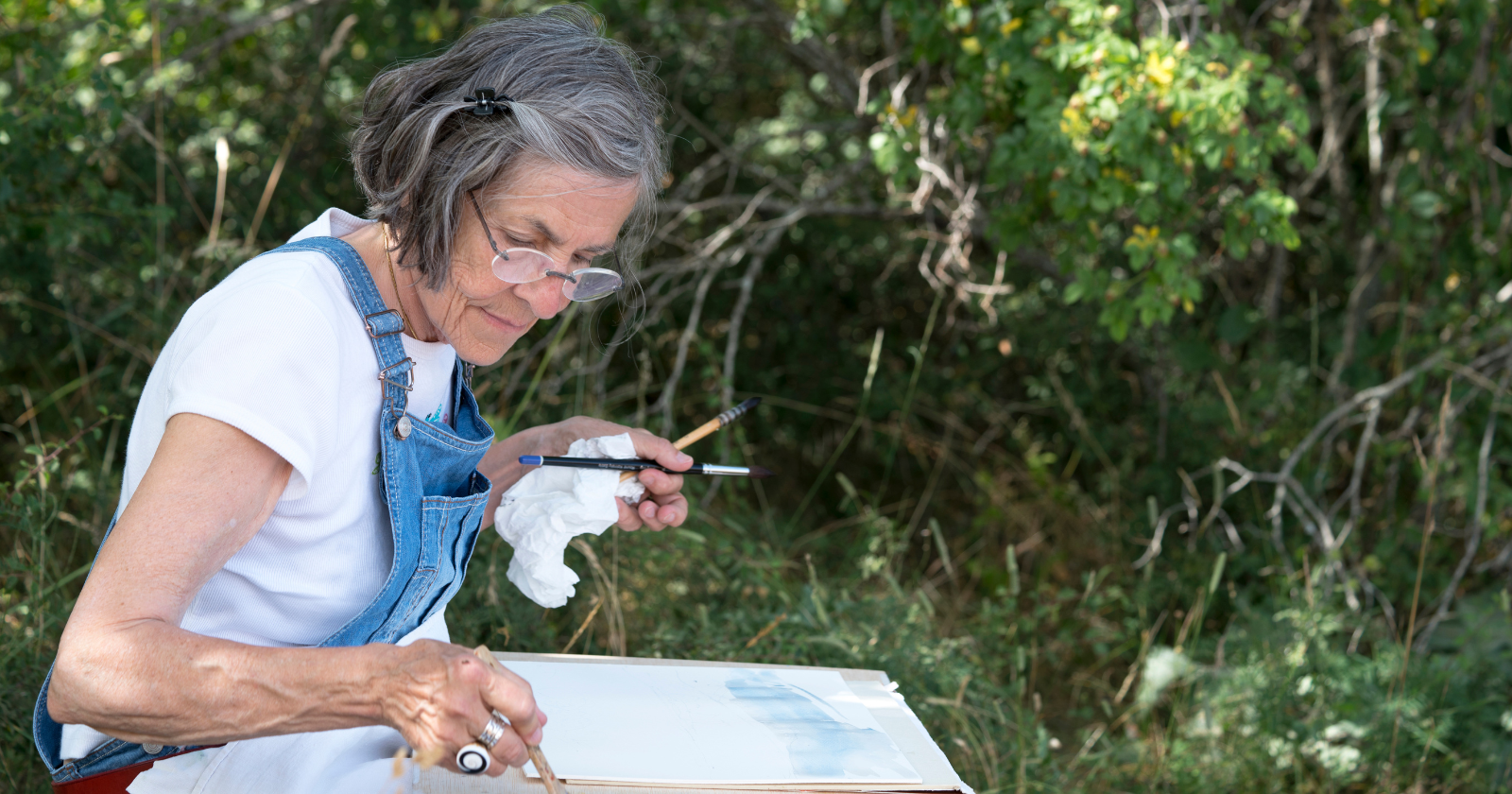
I know one woman who paints in her kitchen every evening while her cat naps beside her. Another neighbor started baking bread just to see if she could and now swears it is her favorite part of the week.
When you live alone, hobbies are not just entertainment. They are a form of self-expression and a connection with the world.
I have found this to be true in my own life with writing. What started as a hobby quickly became a way to process thoughts, share lessons, and feel productive each day.
5) They see solitude as a choice, not a sentence
Perhaps the most defining trait of all is perspective.
People who thrive alone see it as an opportunity, a season of independence, reflection, and growth, not a punishment or a sign that something is wrong with them.
They view solitude as something that enriches life rather than detracts from it.
This mindset makes all the difference. When you stop seeing being alone as a deficiency, you start discovering what it can teach you.
For some, it is learning self-sufficiency. For others, it is realizing that their self-worth does not depend on anyone else’s presence.
Final thoughts
Living alone can be one of life’s greatest teachers.
It shows you who you are when there is no one watching. It tests your independence, your emotional maturity, and your ability to find contentment from within.
Not everyone will love it, and that is perfectly fine. But for those who do, it can be deeply rewarding.