

If these 9 phrases feel “normal” to you, you might be more privileged than you think

Privilege is a tricky word. For many people, it sparks defensiveness or discomfort. But recognizing privilege is not about guilt; it is about awareness.
Most of us have blind spots.
We move through the world shaped by our experiences, often unaware that what feels “normal” to us might actually be a luxury for someone else.
Today, I want to unpack nine everyday phrases that quietly reveal how much privilege you might carry, whether it is social, financial, or circumstantial.
This is not about blame. It is about perspective. Once we see where privilege shows up in our lives, we can start using it to make the world a little fairer for others.
Let’s dive in.
1. “I’ll just Uber there.”
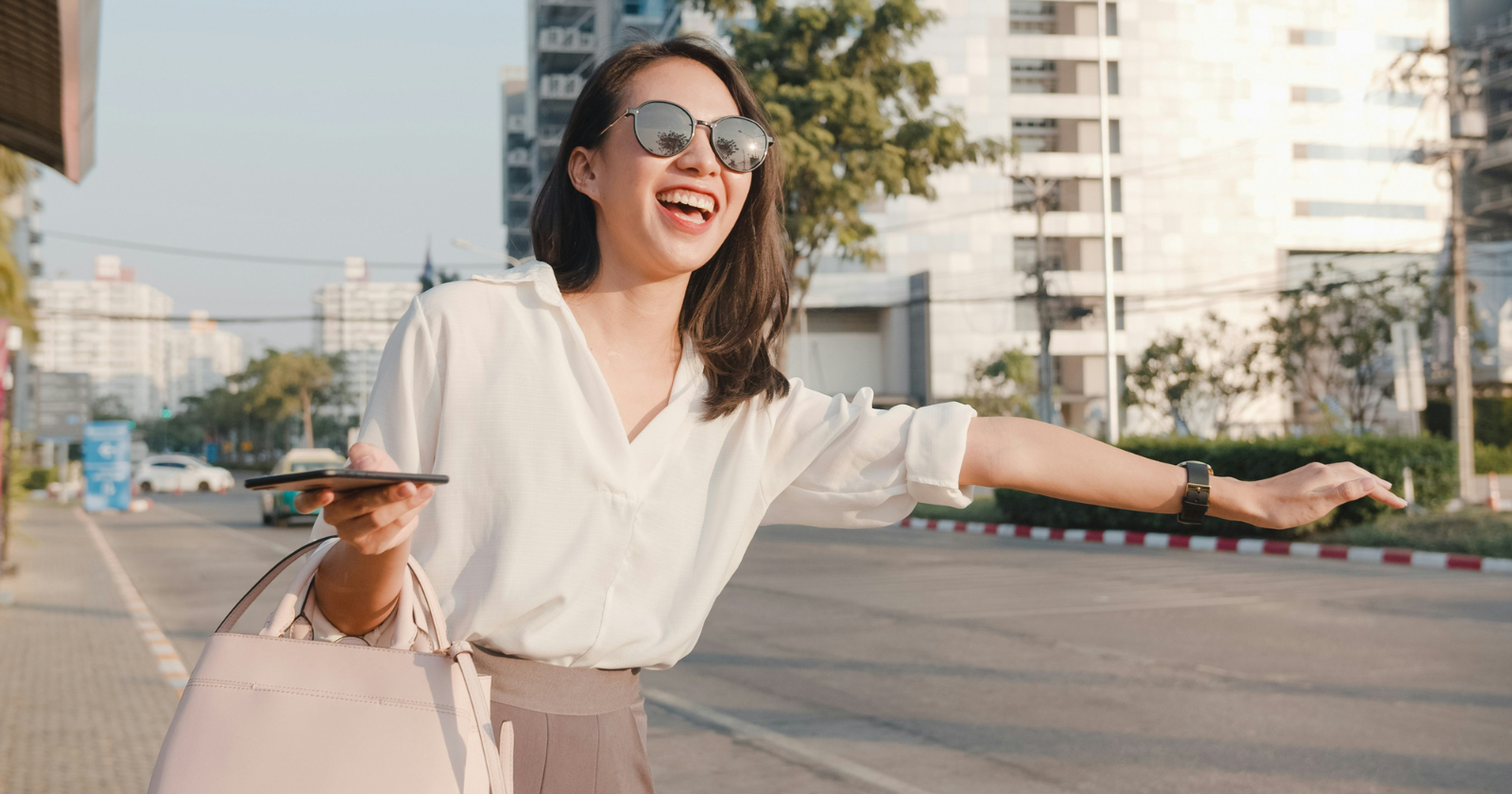
For some of us, calling an Uber or taking a taxi feels like the default. For others, that is an impossible expense.
When I was in my early twenties, I used to grumble about surge pricing. Now I realize that even having that option was a form of privilege. Many people rely on unreliable public transport or long walks just to get to work.
Next time you open your ride-sharing app without a second thought, pause for a moment. That is not just convenience; it is comfort you can afford.
2. “I don’t really think about safety that much.”
If you have never had to plan your route home at night, clutch your keys, or text someone to say you made it safely, that is privilege.
For many women, LGBTQ+ people, or those living in unsafe neighborhoods, safety is not something to take for granted. It is a daily calculation.
Privilege can mean freedom from fear. It is easy to forget how freeing that really is.
3. “I can always crash at my parents’ place if things go wrong.”
That safety net changes everything.
Having family who can step in when life falls apart, whether it is a lost job, a breakup, or a financial setback, is an enormous privilege. It gives you the confidence to take risks others simply cannot afford.
Some people do not have that fallback. For them, one wrong step can lead to homelessness or serious hardship.
If you have a home base to return to, that is something to deeply appreciate.
4. “I just upgraded my phone.”
A casual statement, but one that speaks volumes.
For many, upgrading a phone is not a choice. It is a multi-year investment they stretch as long as possible. Technology moves fast, but the ability to keep up is tied to privilege.
It is not only about gadgets. Access to reliable technology means access to education, work, and opportunity. It is one of the most underestimated divides in modern life.
5. “I don’t really worry about medical bills.”
If this feels normal to you, you are among the lucky few.
Health care is one of the starkest examples of inequality. In many countries, a broken arm or a sudden illness can push people into debt or bankruptcy.
When your first thought after getting sick is “I should rest” rather than “How will I pay for this?”, that is privilege. It means your basic needs are secure enough to let you focus on recovery instead of survival.
6. “I just needed to take a mental health day.”
Mental health days are important. I take them too. The ability to take one without fear of losing your job or paycheck is a form of privilege.
Many workers cannot afford to call in sick unless it is a true emergency. Others risk retaliation or lost income if they ask for time off.
Having the space to protect your mental health is powerful. It is something everyone deserves, but not everyone gets.
7. “I don’t follow politics. It doesn’t really affect me.”
This one might sting a bit, but it is true. If politics feels irrelevant to your daily life, it is probably because the system already works in your favor.
For marginalized groups, politics is not abstract. It is survival. Policies around housing, healthcare, wages, or discrimination directly impact daily reality.
If you can opt out of caring, that is a kind of privilege in itself.
On this point, I have mentioned a book before that I have just read, and it influenced how I think about responsibility and perspective.
Rudá Iandê’s new book, “Laughing in the Face of Chaos: A Politically Incorrect Shamanic Guide for Modern Life”, challenged me to step outside my own ideological bubble and look for common ground.
His insights encouraged me to notice where my assumptions come from and to meet people where they are.
One line that hit me hard was, “Real power lies in the ability to break free from our ideological bubbles and build bridges where others see walls.”
The book inspired me to approach conversations about privilege with more humility and with a greater focus on connection rather than winning debates.
8. “I can just work from home.”
Remote work became normal for millions after the pandemic, but it is still a luxury not everyone has.
For many jobs in hospitality, retail, or manual labor, there is no option to log in from the couch. Remote work does not only offer flexibility; it also offers safety, comfort, and more control over your day.
If you have ever worked in pajamas while sipping coffee, take a second to remember that millions do not have that choice.
9. “I just assumed everyone could do that.”
This one might be the biggest giveaway of all.
Privilege hides in assumptions, in the quiet belief that our “normal” is universal. Maybe it is assuming everyone’s parents went to college, or that everyone has internet access, or that everyone feels welcome walking into a café.
Here is the truth. What is normal for you might be unimaginable for someone else. Recognizing that does not make you a bad person. It simply makes you more aware.
Final words
Privilege does not mean your life is easy.
It does not erase the hard work, pain, or challenges you have faced. It simply means there are areas where the system gives you a head start, or where you do not face barriers others do.
The goal is not to feel guilty; it is to feel grateful and responsible.
When we understand our privilege, we can use it to amplify voices that go unheard, support systems that uplift others, and build a world where fairness is the norm rather than the exception.
If you want a deeper nudge to examine your beliefs and find steadier ground in messy conversations, I recommend Rudá Iandê’s “Laughing in the Face of Chaos: A Politically Incorrect Shamanic Guide for Modern Life”.
The book inspired me to question my automatic reactions and to focus on authenticity over performance. Sometimes that one perspective shift is all it takes to turn awareness into compassionate action.
So next time you catch yourself saying one of these phrases, pause for a second. Reflect, do not judge.
Awareness is where empathy begins, and empathy is where real change starts.
