

The saddest version of a human life isn’t the one full of failure and loss — it’s the one full of safety, where every risk was avoided and every discomfort was managed, and the person at the center arrives at the end intact and vaguely bewildered by the feeling that they were often standing just outside something that rarely quite became their life

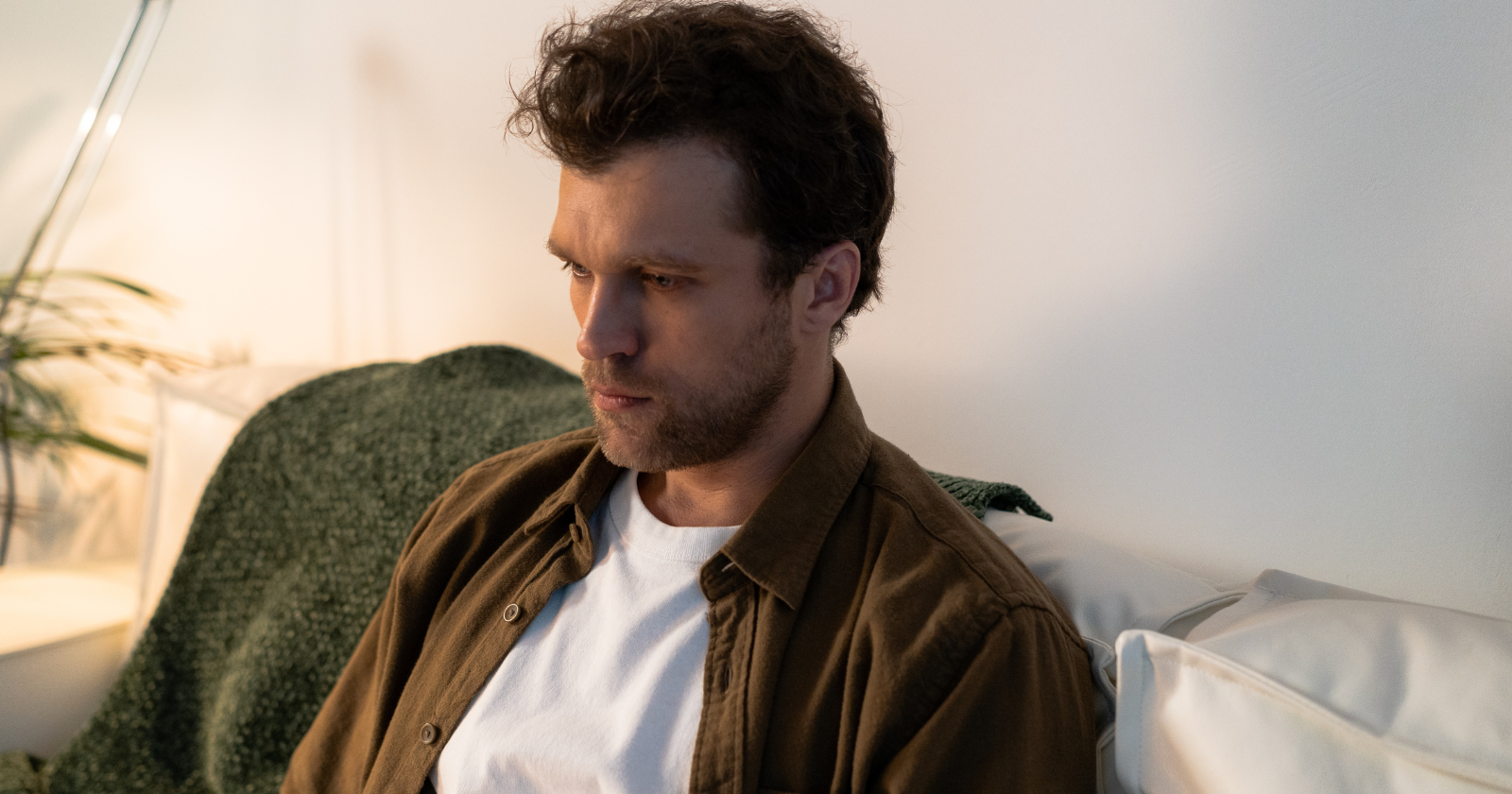
Picture this: You’re 85 years old, sitting in your favorite chair, looking back at your life. You’ve never been fired. Never had your heart truly broken. Never failed at anything significant because you never tried anything that wasn’t guaranteed to work.
Your life has been a masterclass in risk management. Every decision calculated, every potential danger avoided, every uncomfortable situation carefully sidestepped. You should feel proud, satisfied, complete.
Instead, you feel… nothing. Just a vague, unsettling sense that you watched your life happen from behind bulletproof glass.
This isn’t just philosophical musing. It’s a psychological reality that many of us are sleepwalking toward. The safest life often turns out to be the emptiest one, leaving us wondering what might have been if we’d just been brave enough to actually live.
The comfort zone paradox
Here’s what nobody tells you about playing it safe: it’s exhausting.
Think about it. How much mental energy do you spend avoiding things? Avoiding difficult conversations, avoiding new experiences, avoiding the possibility of failure or rejection. It’s like living your entire life playing defense, never actually moving toward anything, just constantly backing away from what scares you.
I learned this the hard way in my mid-20s. Despite having a background in psychology, I felt completely lost. I had the education, the respectable path laid out before me, but something was missing. That’s when I ended up taking a warehouse job in Melbourne, shifting TVs all day. Not exactly what you’d call a career highlight.
But here’s the thing: that humbling experience taught me more about life than years of playing it safe ever did. It showed me the massive gap between education and fulfillment, between safety and satisfaction.
Psychology Today puts it perfectly: “Avoidance provides temporary relief from anxiety, shame, and other uncomfortable feelings.” But that’s the key word: temporary. What feels like protection in the moment becomes a prison over time.
Why your brain keeps you stuck
Our brains are wired for survival, not fulfillment. From an evolutionary perspective, the cautious cave dweller who avoided unknown berries and suspicious rustling in the bushes lived to pass on their genes. The adventurous one? Not so much.
But we’re not living in caves anymore. The tigers aren’t real. Most of our modern fears won’t actually kill us, yet our ancient brain still treats them like life-or-death threats.
This creates a cruel irony. The very mechanism designed to keep us alive is now keeping us from actually living. We avoid the presentation at work, the creative project, the honest conversation, the big move, all because our prehistoric brain is screaming “DANGER!” at things that can’t actually harm us.
What’s worse? Each time we avoid something, we reinforce the neural pathways that tell us avoidance works. Our brain gets the message: “See? We didn’t do the scary thing and we survived. Let’s keep not doing scary things.” It becomes a self-reinforcing cycle that gets harder to break with each passing year.
The hidden cost of never failing
You know what’s more devastating than failure? Never having the chance to fail at something that matters to you.
When I was deep in my perfectionist phase, I thought I was being smart. Why risk failure when you can guarantee success by only attempting what you know you can achieve? It seemed logical at the time. But perfectionism, I eventually realized, wasn’t a virtue. It was a prison.
Consider this perspective from Ben Michaelis, Ph.D., a clinical psychologist: “The only real risk is not taking one.” It sounds like a paradox, but it’s painfully true.
Every time you choose safety over growth, you’re not just avoiding potential failure. You’re avoiding potential triumph, potential connection, potential transformation. You’re avoiding the very experiences that make life feel real and meaningful.
The person who never risks rejection never experiences deep intimacy. The person who never risks failure never knows the exhilaration of achieving something they weren’t sure they could do. The person who never risks looking foolish never develops the confidence that comes from surviving embarrassment and realizing it didn’t kill them.
The concept of impermanence teaches us that trying to create permanent safety is not just impossible, it’s the source of our suffering. Life is change. Fighting that truth doesn’t make us safer; it just makes us miss the whole point.
Breaking free from the safety trap
So how do you start living when you’ve spent years just surviving?
Start small. Ridiculously small. Order something different at your regular lunch spot. Take a different route home. Strike up a conversation with a stranger. These might seem insignificant, but you’re retraining your brain to understand that novelty and mild discomfort won’t kill you.
Pay attention to your avoidance patterns. What conversations do you keep putting off? What opportunities do you let pass by? What dreams do you dismiss as “unrealistic” without ever actually testing them? Awareness is the first step to change.
Here’s something that helped me: I started asking myself, “What would I do if I knew I couldn’t fail?” Then I’d ask the follow-up: “What if the real failure is not trying?” These questions helped me see that my definition of failure was completely backwards.
Remember, as William G.T. Shedd, theologian and author, famously said: “A ship is safe in harbor, but that’s not what ships are for.”
When I finally made the decision to leave Australia and move to South East Asia, it felt insane. I was walking away from safety, from predictability, from everything I’d been taught to value. But that “crazy” decision led to experiences, relationships, and insights that shaped who I am today. The warehouse job, the uncertainty, the discomfort, they were all part of a journey toward something real.
The uncomfortable truth about growth
Growth hurts. There’s no way around it. Every meaningful transformation in your life will require you to feel uncomfortable, uncertain, maybe even terrified. But here’s what the safety-seekers don’t understand: the discomfort of growth is temporary. The discomfort of stagnation is permanent.
Think about learning to ride a bike. Remember the fear, the wobbling, the inevitable falls? Now imagine if you’d let that fear stop you. You’d still be walking everywhere, watching others zip past, forever wondering what it feels like to fly down a hill with the wind in your face.
Life works the same way. Every skill, every relationship, every achievement requires us to push through an initial period of discomfort. The question isn’t whether you’ll feel uncomfortable. The question is whether that discomfort will lead somewhere or just keep you in place.
Sandro Galea, M.D., Dean of the School of Public Health at Boston University, captures this beautifully: “To risk nothing is, in many ways, the biggest risk of all—the risk of looking back on a life that was not fully lived.”
Finding your edge
You don’t need to become a thrill-seeker or throw caution entirely to the wind. This isn’t about being reckless. It’s about finding your edge, that sweet spot where you’re uncomfortable enough to grow but not so overwhelmed that you shut down.
Your edge might be finally starting that creative project you’ve been thinking about for years. It might be having that difficult conversation with your partner. It might be applying for that job you don’t think you’re quite qualified for. It might be admitting you need help.
Whatever it is, you’ll know it by the way it makes you feel: excited and terrified in equal measure. That’s your growth zone calling.
Conclusion
The saddest version of a human life really isn’t the one full of failure and loss. At least that person tried. They engaged. They showed up for their own life.
The truly tragic story is the person who arrives at the end intact but empty, having successfully avoided every risk, managed every discomfort, and stayed safely within the boundaries of the predictable. They never failed because they never really tried. They never lost because they never really played.
If you’re reading this and feeling that uncomfortable recognition, that sense that you’ve been standing just outside your own life, remember: it’s not too late. Your 20s confusion, your 30s doubt, your 40s restlessness, they’re all normal. Feeling lost doesn’t mean you’re broken. It might just mean you’re finally waking up to the possibility that there’s more.
The comfortable path will always be there, ready to welcome you back whenever things get too real. But maybe, just maybe, it’s time to see what happens when you choose the path that scares you a little. Not because it’s safe, but because it leads somewhere you’ve never been.
After all, what’s the point of arriving safely at death if you never really lived along the way?
