

10 things boomers still do every single day that younger generations find completely bizarre

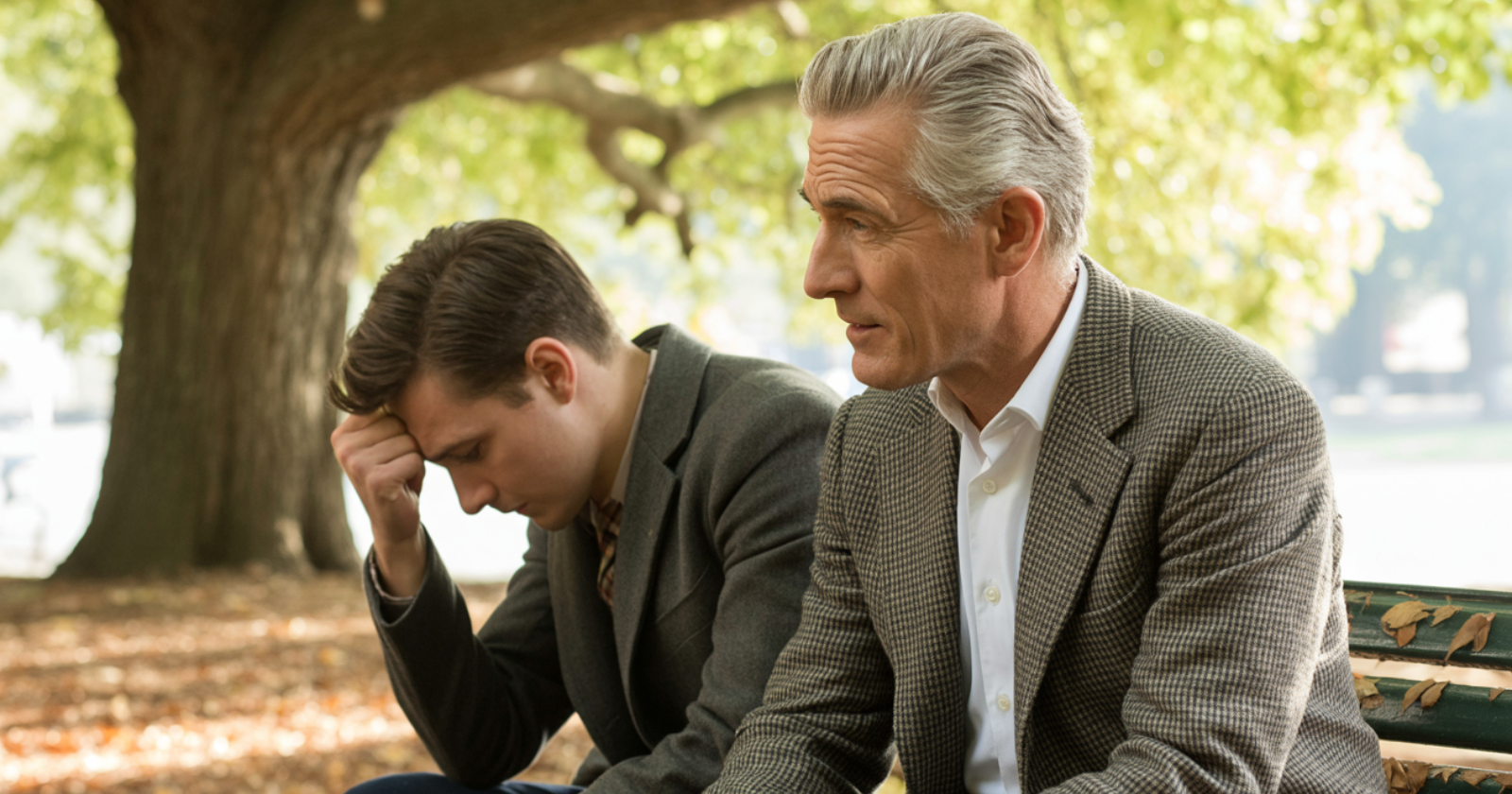
I love my parents dearly. They’re thoughtful, generous, and have that old-school reliability that’s hard to find these days. But after spending time with them recently, I couldn’t help noticing that they live by an entirely different operating system.
They still print things out. They answer unknown numbers. They watch the evening news live.
As a millennial who lives mostly online, I find some of these daily habits both fascinating and baffling. Yet, when I look closer, I realize that many of these “bizarre” routines are rooted in values younger generations could actually learn from — patience, privacy, and genuine human connection.
Here are 10 everyday things boomers still do that leave younger generations scratching their heads.
1. They still write lists on paper
Every morning, my mum sits at the kitchen table with a coffee and a pen. She writes her to-do list on an actual notepad — the kind with a magnet on the back that sticks to the fridge.
Meanwhile, my generation has apps that sync across four devices, send reminders, and pop up with dopamine-drip notifications.
Yet there’s something strangely peaceful about her ritual. Writing lists by hand gives boomers a sense of control — a physical anchor in a digital world.
Younger generations might laugh, but there’s a mindfulness to it. You can’t swipe a pen stroke away.
2. They answer phone calls from unknown numbers
Every time my phone rings, I assume it’s a scam. My parents, on the other hand, answer every single call.
“Could be someone who needs help,” my dad says, as if the modern telemarketing industry doesn’t exist.
Boomers grew up when a ringing phone meant connection, not spam. To them, answering is polite — ignoring is rude.
Meanwhile, Gen Z won’t even answer calls from their friends unless they’ve texted first. It’s not that they’re rude; it’s that digital culture has redefined boundaries.
Still, I admire boomers for keeping that old habit of openness alive. It’s just… occasionally inconvenient when it’s an insurance salesperson.
3. They still watch live TV at a set time
Boomers treat television like a communal ritual.
Every night at 6 p.m., the news comes on. At 7:30, it’s the current affairs show. By 8:30, they’re deep into whatever drama is “on tonight.”
Meanwhile, younger generations have no idea what “on tonight” even means. Everything’s on demand — shows, movies, even relationships.
To boomers, though, live TV brings rhythm and shared experience. You don’t binge; you wait. You don’t skip ads; you tolerate them.
It’s easy to mock, but that patience — that ability to delay gratification — might be one reason boomers seem calmer than we are.
4. They still go into the bank
Every time I visit Australia, my mum insists on “running to the bank.”
Not the banking app — the actual building.
She’ll queue, chat with the teller, deposit a cheque, and leave feeling accomplished.
Younger generations, who can transfer thousands in seconds, find this utterly baffling. But for boomers, face-to-face service represents trust. Money was once tangible. Transactions felt real.
Digital efficiency has replaced that human reassurance. And maybe that’s why, despite all our convenience, many of us feel strangely disconnected from where our money goes.
5. They email articles instead of sharing links
If my dad reads something interesting online, I can expect a long email later with the subject line: “Thought you’d enjoy this.”
No link in a group chat, no quick repost — an email.
Boomers use email like it’s a love language. It’s deliberate, personal, and punctuated with proper salutations.
Younger generations, on the other hand, communicate in fragments — emojis, screenshots, voice notes.
It’s easy to joke about boomers “over-emailing,” but there’s something charmingly thoughtful about taking the time to send words instead of just reacting with a heart emoji.
6. They pay bills manually (and often in person)
I once watched my dad write a cheque to pay his electricity bill. A cheque. I hadn’t seen one since 2008.
Many boomers still log into websites or physically post payments instead of setting up auto-debits. To them, automation feels risky — like giving up control.
Meanwhile, millennials automate everything: rent, utilities, gym, even savings.
Psychologically, boomers were raised on certainty — they want to see proof that the bill was paid. Gen Z is raised on trust in systems (or at least digital ones).
Both make sense. But the next time a tech outage hits, guess which group still knows how to write a cheque?
7. They read the newspaper — the actual one
There’s something iconic about the sight of a boomer sitting with a folded newspaper, coffee in hand, turning the pages slowly.
No endless scroll. No algorithm deciding what’s important. Just ink and silence.
Younger generations find it outdated — why flip through newsprint when you can skim headlines on your phone in 30 seconds?
But that slowness is the point. Reading a paper forces presence. You don’t doomscroll; you digest.
In a world addicted to instant updates, the morning paper might be one of the last analog mindfulness practices left.
8. They leave voicemails (and expect you to listen)
Few things strike fear into a millennial’s heart like the words: “You have one new voicemail.”
Boomers, however, still love them. My mum’s voicemails are long, detailed, and always end with, “Call me when you get this.”
To younger generations, that’s redundant — just text! But to boomers, voice equals warmth. They believe tone matters more than speed.
In a world of short-form everything, their insistence on using full sentences and human voice feels both bizarre and strangely comforting. It reminds us there’s still a person behind the screen.
9. They keep physical copies of everything
Receipts. Bank statements. Travel itineraries. Even confirmation emails — printed out and filed.
I once found an entire binder in my parents’ house labeled “Flights 2007–2012.”
Younger generations live in the cloud; boomers live in the filing cabinet. It’s a different relationship with permanence. They don’t trust data they can’t hold.
Sure, it clutters the house. But there’s also something grounding about it. In a world where digital history can vanish with a password reset, paper feels like proof that life happened.
10. They still talk to strangers — everywhere
This one might be the biggest generational divide of all.
Boomers will chat with anyone: the taxi driver, the barista, the person behind them in line. My dad once made a new friend while waiting at the pharmacy — they now meet for coffee once a week.
To younger people, random conversation feels intrusive. We live behind screens, curating when and how we connect.
But boomers were raised in a world where community started with eye contact. Conversation wasn’t a transaction — it was humanity.
Maybe that’s why, even though their habits seem outdated, boomers often look more content in public spaces. They still remember that every stranger is a potential story.
What this generational gap really says
It’s easy to laugh at these habits — to roll our eyes when a boomer prints directions instead of using Google Maps.
But beneath the quirks lies something quietly profound: boomers built structure into their lives through ritual. Their daily habits gave them rhythm, patience, and a sense of control.
Younger generations, in contrast, live fluidly. Everything is instant, flexible, and algorithmically optimized — but also fleeting.
The boomer way might look slow or inefficient, but it anchors them in something real. The digital way might look fast and free, but it can also feel unmoored.
Maybe the balance lies somewhere in between: keep the mindfulness, lose the paper.
A personal reflection
Whenever I visit my parents, part of me is frustrated watching them take the long route — phoning the bank instead of logging in, writing shopping lists instead of opening Notes.
But another part of me finds it grounding. Their world isn’t better or worse — just slower. And sometimes, slower is saner.
If there’s one thing I’ve learned from them, it’s that not every “bizarre” habit is outdated. Some of them are the very practices keeping people calm, connected, and content.
So next time your mum asks if you’ve checked your voicemail, maybe don’t roll your eyes. Maybe listen. There’s wisdom in her world — even if it’s delivered on paper.
