

6 habits of people who have no life partner to emotionally lean on, says psychology

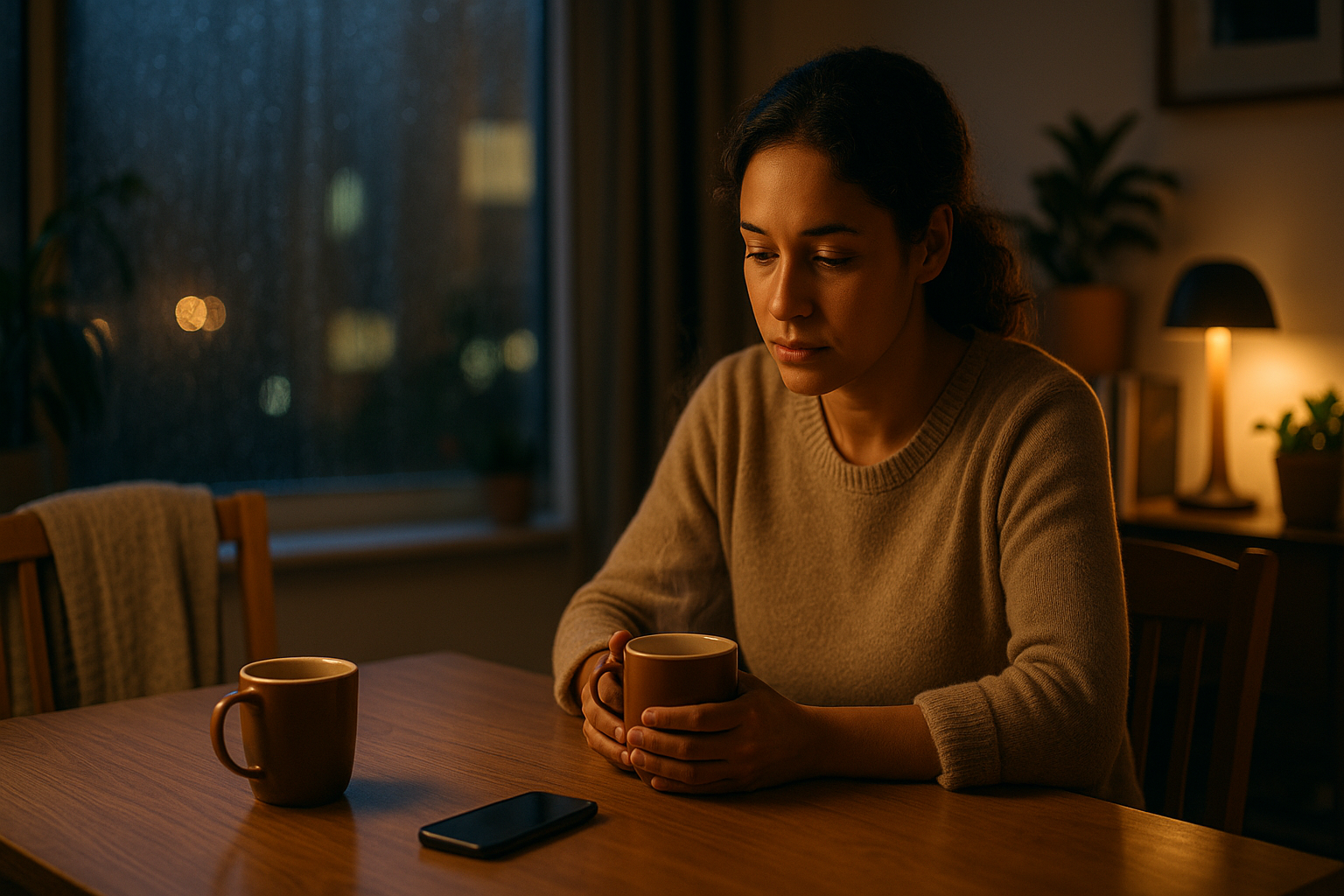
Human beings are wired for connection. Having someone to lean on—a partner who listens, supports, and provides comfort—creates a buffer against life’s challenges. But not everyone has that kind of relationship. Some people live without a partner to share their emotional world with, and psychology shows that this shapes their habits, behaviors, and even their sense of self.
This doesn’t mean they’re broken or doomed to loneliness. Instead, it highlights how the absence of an intimate emotional anchor influences the way they cope, connect, and construct meaning.
Let’s look at six common habits of people who don’t have a life partner to emotionally lean on, and why psychology says they develop these patterns.
1. They turn inward for regulation
One of the most important functions of a close partner is co-regulation—that natural process where your partner helps calm you down or lift you up when you’re stressed. Without this, many people turn inward.
Instead of talking things through, they might ruminate, journal, or overanalyze situations. Some become skilled at self-soothing techniques, like deep breathing, distraction, or immersing themselves in hobbies.
This can be both positive and negative. On the upside, they often develop high levels of independence and resilience. On the downside, relying solely on internal regulation can lead to overthinking or bottling up feelings.
Psychology calls this emotional self-regulation, and it’s a crucial skill. But without the balancing effect of a partner’s perspective, it can sometimes trap them in cycles of self-criticism or worry.
2. They lean on routines for stability
Partners provide not just emotional support but also emotional predictability. When that’s missing, many people seek predictability elsewhere—in routines.
They might create structured daily habits: morning exercise, carefully planned meals, or rigid schedules for work and rest. This gives them a sense of grounding when life feels uncertain.
Psychologists call this the need for cognitive closure—the drive for order and structure to reduce ambiguity. Without a partner’s presence to provide security, routines become the safety net.
Sometimes these routines are empowering, creating discipline and self-mastery. Other times they can feel restrictive, almost like a substitute for intimacy—predictability replaces connection.
3. They often over-invest in friendships or work
Humans have a social baseline theory, which suggests that our brains are designed to share the load of stress with others. When no partner is available, the need for connection often spills into other areas.
This might look like:
-
Becoming the “go-to friend” for everyone.
-
Over-investing in work relationships.
-
Treating colleagues or even casual friends as emotional anchors.
These behaviors aren’t inherently unhealthy, but they can lead to imbalanced dynamics. A person may place heavy emotional expectations on friendships not designed to carry the same weight as a partnership.
Work, in particular, can become a surrogate partner. Success, recognition, and productivity provide the emotional validation they might otherwise find in a relationship. But over time, this risks burnout and blurred boundaries.
4. They become hyper-independent
Without a partner, many people adopt what psychology calls defensive independence. It’s a strategy that says: If no one is there to catch me, I’d better learn to stand completely on my own.
Signs of hyper-independence include:
-
Refusing to ask for help, even when overwhelmed.
-
Shouldering emotional burdens alone.
-
Equating vulnerability with weakness.
This stems from attachment theory. People who lack a secure partner may shift toward avoidant tendencies, convincing themselves that they don’t need anyone.
At first glance, this looks like strength. And indeed, independence is valuable. But hyper-independence often hides a quiet longing: the need to be cared for. By shutting that down, they protect themselves from disappointment but also block the possibility of intimacy.
5. They rely on substitutes for intimacy
When the comfort of a partner isn’t available, many people unconsciously seek emotional surrogates. These can be anything from pets to online communities to parasocial relationships with public figures.
For example:
-
Talking to pets as though they were confidants.
-
Immersing in TV shows, books, or podcasts where characters feel like “friends.”
-
Building online relationships where anonymity makes vulnerability easier.
Psychologists see this as a form of compensatory attachment—filling the emotional gap through symbolic or partial substitutes.
These habits aren’t inherently bad. In fact, they can provide real comfort and belonging. But the risk is that they become coping mechanisms that prevent someone from reaching for deeper, reciprocal connections with real people.
6. They develop sharper self-awareness (sometimes to a fault)
Without a partner acting as a mirror—someone who points out blind spots, balances perspectives, and provides feedback—people often become more self-reflective.
They may:
-
Spend more time analyzing their feelings.
-
Develop strong awareness of personal triggers and needs.
-
Dive into self-help, therapy, or mindfulness practices.
Psychology frames this as metacognition—thinking about your thinking. It can foster growth, maturity, and independence.
But there’s also a trap: excessive self-focus. Without external input, self-awareness can tilt into self-criticism or constant self-monitoring. Instead of freeing them, it can make them feel stuck in their own head.
The paradox of going solo
What’s fascinating is that these habits reveal both strength and strain. On one hand, people without a partner often develop resilience, independence, and deep self-knowledge. On the other hand, they may struggle with overthinking, over-reliance on substitutes, or difficulty opening up.
Psychology suggests that humans are not meant to carry their emotional burdens alone. But it also shows that when circumstances require it, we adapt. Our brains and behaviors adjust to create new forms of stability and meaning.
Conclusion
Not having a partner to emotionally lean on doesn’t mean someone is less whole—it simply means their habits and coping strategies take different shapes. They turn inward, create routines, lean on friends, embrace independence, find substitutes for intimacy, and sharpen their self-awareness.
Some of these habits protect them, others challenge them. Together, they reflect the incredible adaptability of the human mind.
And perhaps the deeper message is this: whether partnered or not, the ultimate task is learning to meet life’s challenges with honesty, resilience, and openness. A partner can be a powerful source of support—but so can self-understanding, community, and the courage to seek connection when the time is right.
