

6 things lower-middle-class people do in restaurants without realizing how they come across

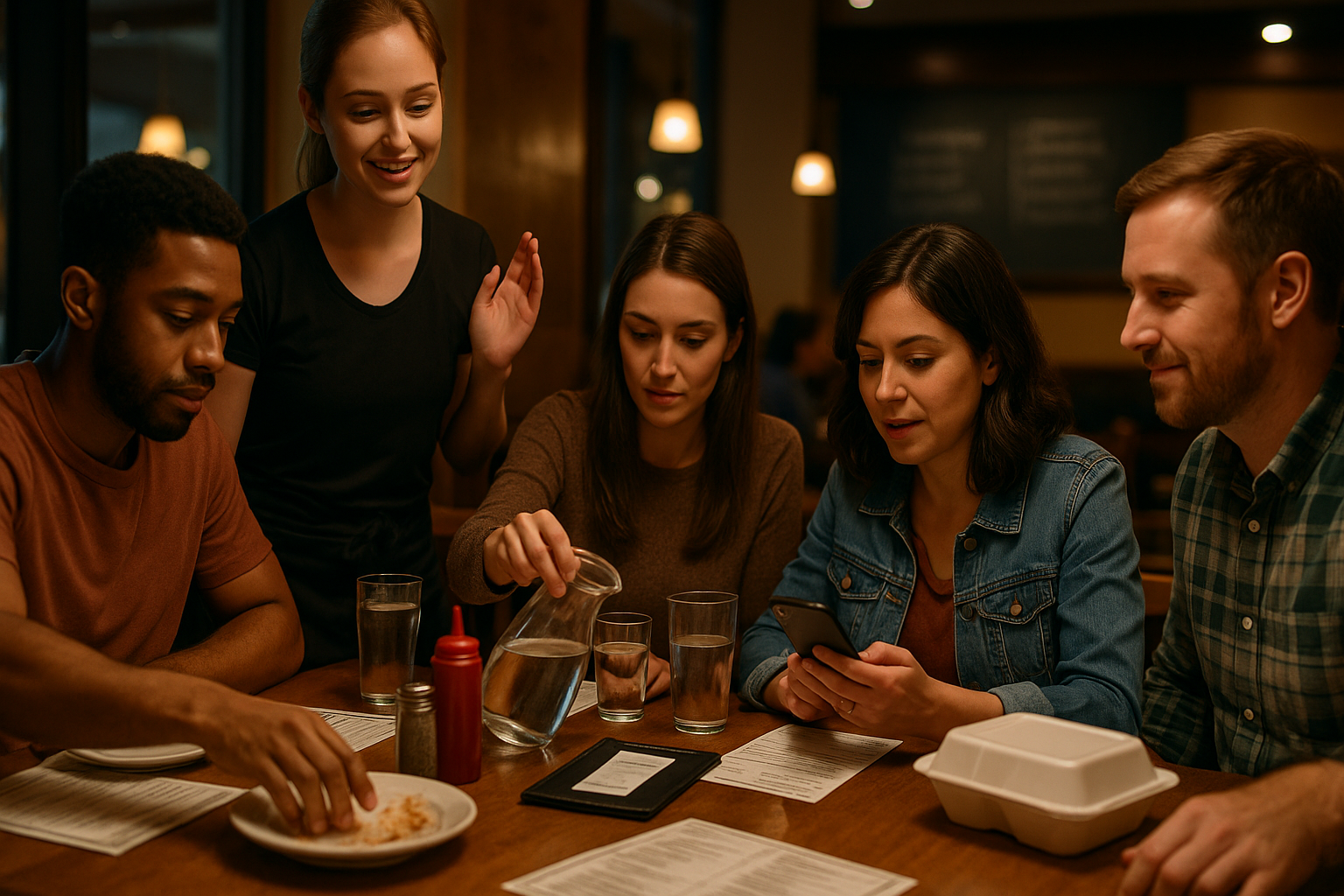
Restaurants aren’t just places to eat—they’re stages where class, culture, and unspoken norms play out in small but noticeable ways. For many people, particularly those in the lower-middle class, certain habits can unintentionally send signals they may not intend. These behaviors aren’t inherently wrong, nor are they moral failings. They simply reflect upbringing, values, and exposure to different environments. But when viewed through the lens of social perception, these habits can affect how others interpret one’s confidence, refinement, or awareness.
Let’s dive into six common things lower-middle-class people often do in restaurants without realizing how they come across—and what these behaviors say about larger social dynamics.
1. Overly focusing on portion sizes and “getting their money’s worth”
One of the most common habits is treating dining out as primarily a transaction of quantity over experience.
Lower-middle-class diners may comment on portion sizes—“That’s all we get?” or “At least this one gives you a full plate”—or evaluate a restaurant by how “worth it” the serving feels compared to the price. While this mindset comes from understandable financial awareness, it can subtly shift the tone of the meal.
To others, this behavior can make it seem as though the person is more focused on extracting value than on enjoying the atmosphere, flavor, or service. In higher-class dining settings, where presentation and ambiance are considered part of the value, emphasizing portion size may mark someone as inexperienced or overly pragmatic.
What this reflects:
-
A background where money has to stretch further.
-
A sense that eating out is an occasional treat rather than a lifestyle habit.
-
An unconscious prioritization of material return over aesthetic or sensory experience.
It’s not “wrong”—but it does highlight how social class can shape the way we evaluate the same meal differently.
2. Being overly cautious—or overly bold—when interacting with staff
Restaurant etiquette often hinges on how diners interact with servers. Lower-middle-class patrons may unintentionally fall into one of two extremes: being excessively deferential or a bit too demanding.
-
Excessively cautious: Apologizing too much when ordering, hesitating to ask for substitutions, or nervously repeating “thank you” every few seconds. This can come across as lacking confidence or being out of place.
-
Overly bold: On the other side, some may overcompensate by snapping fingers to get attention, speaking brusquely, or acting as though service is a hierarchy where they must assert themselves.
Both tendencies stem from a lack of familiarity with middle- or upper-class dining norms, where smooth, balanced, and confident interactions with staff are the expectation.
How it’s perceived:
-
Over-apologizing may look insecure.
-
Being too blunt may seem disrespectful.
-
Both send subtle signals about class background and social ease.
In reality, most servers simply want clarity and respect. But because restaurants double as spaces of social signaling, these micro-interactions often carry more weight than we realize.
3. Speaking too loudly or casually in the dining space
Restaurants vary in atmosphere: some encourage lively conversation, others prize quiet refinement. Lower-middle-class diners, without consciously recognizing these differences, may default to speaking at a home-like volume.
They might:
-
Laugh heartily without gauging the acoustics.
-
Recount personal stories in unfiltered detail.
-
Discuss money, health, or family dramas openly at the table.
This style of openness can feel warm and authentic—but in certain settings, it reads as lacking discretion or social awareness.
In contrast, upper-class dining culture often emphasizes a measured, moderate tone of voice, with sensitive topics left unspoken in public. To someone attuned to those norms, the casual approach can stand out sharply.
The deeper dynamic:
Loudness isn’t just about sound—it symbolizes comfort, community, and familiarity. But in stratified spaces like restaurants, it can unintentionally mark someone as “out of place” in environments designed to showcase quiet sophistication.
4. Overanalyzing the menu prices instead of the food descriptions
Menus are more than lists of dishes—they’re carefully designed marketing tools. Higher-end restaurants often describe ingredients in detail, evoking authenticity, origin, or artistry. But diners from lower-middle-class backgrounds may instinctively scan for numbers first.
Instead of noticing “wild-caught salmon with citrus beurre blanc,” they might say:
-
“Wow, $28 for fish?”
-
“This place is expensive, huh?”
-
“I’ll just get the cheapest thing.”
While this comes from a practical mindset, it can unintentionally signal unfamiliarity with viewing dining as an “experience purchase.” Others at the table may feel the money-focused comments distract from the intended mood of savoring flavors, presentation, and conversation.
Underlying reason:
For many, eating out was historically tied to budget rather than indulgence. That habit lingers even as income improves, creating a contrast between pragmatic and aspirational dining attitudes.
5. Treating the restaurant like a home kitchen
Another subtle marker is the way diners handle food and utensils. Lower-middle-class people, without realizing it, may carry home-based habits into restaurants:
-
Rearranging cutlery or wiping it with a napkin repeatedly.
-
Asking for ketchup or chili sauce even in fine-dining establishments.
-
Mixing side dishes together on the plate to “make it tastier.”
-
Cutting everything on the plate first before eating (a common at-home style).
These gestures communicate comfort and practicality—but in certain settings, they may be read as lacking refinement. For instance, pouring hot sauce over a carefully plated steak can seem like disregarding the chef’s intention.
Why this happens:
When dining at home, the goal is nourishment and satisfaction. In higher-class restaurant culture, presentation and sequence matter as much as taste. Without awareness of that cultural shift, home-style gestures may stand out as out-of-place.
6. Using the meal as a chance to subtly “prove” something
For some lower-middle-class diners, eating out—especially in higher-end venues—becomes a symbolic act of upward mobility. Without realizing it, they may display behaviors that communicate this desire to prove belonging.
Examples include:
-
Taking photos of every dish to post online as evidence of the experience.
-
Dropping brand names of the restaurant while ordering or afterwards.
-
Overemphasizing how “fancy” the place feels.
-
Talking about how rarely they get to dine like this.
These behaviors aren’t malicious. They often stem from genuine pride in the ability to afford the meal. But to seasoned diners, they can appear insecure, as if the person is signaling status rather than simply enjoying the evening.
The deeper issue:
Restaurants aren’t just about food—they’re social theaters. For those straddling the line between lower-middle-class upbringing and aspirations of higher-class lifestyle, dining out can feel like a performance. Without awareness, that performance can inadvertently reveal the very insecurities it’s meant to mask.
Why this matters—and why it doesn’t
At first glance, this list might seem like an indictment of lower-middle-class dining habits. It’s not. In fact, these behaviors are entirely understandable when viewed in context:
-
Economic reality: If you grew up having to stretch every dollar, noticing portion sizes and prices is a survival skill, not a flaw.
-
Cultural background: Loudness, directness, and food-mixing can reflect warmth and authenticity.
-
Pride in progress: Posting photos of a nice dinner isn’t insecurity—it’s celebration.
What’s important to recognize is that social class shapes how behaviors are perceived. A habit that feels natural in one context may feel awkward in another. Awareness of these dynamics allows people to navigate different settings without self-consciousness or judgment.
Final reflections
Restaurants are microcosms of society. Every laugh, order, and comment becomes part of the silent dance of class, culture, and belonging. For lower-middle-class diners, certain habits may unintentionally reveal background or priorities—but that doesn’t make them less valid.
If anything, the real lesson here is twofold:
-
For diners: Becoming aware of these subtle signals can help you feel more confident in any setting.
-
For everyone else: Instead of judging, recognize that these behaviors often reflect resilience, authenticity, and pride.
After all, the beauty of dining out isn’t in perfectly following unspoken codes—it’s in sharing food, connection, and memory across the table.
