

8 behaviors that can give away someone’s lack of class

If you’ve ever met someone who looked polished but somehow didn’t feel polished, you’ve glimpsed the gap etiquette experts talk about all the time. “Class” isn’t a designer label, a high limit on a card, or the right restaurant reservation. It’s the quiet, everyday practice of respect—how you treat people, how you carry yourself, and how you handle the little frictions of life.
Below are eight behaviors that instantly signal a lack of class. For each one, you’ll see what it looks like in the wild, why it reads as unrefined, and exactly how to upgrade your behavior so you radiate composure without trying.
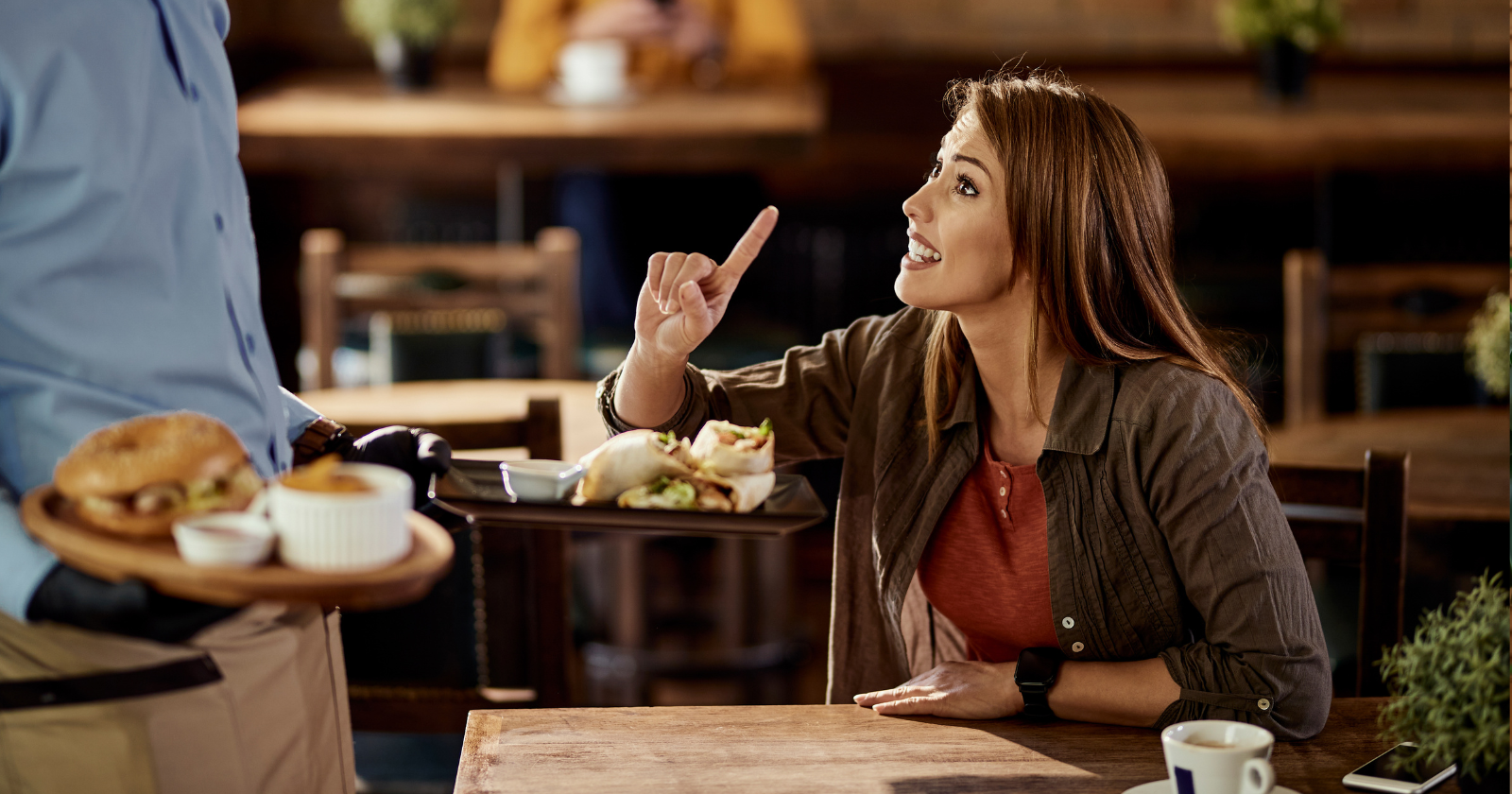
1) Treating service staff as scenery
What it looks like: Snapping fingers to get attention, not making eye contact with the barista, ignoring a cleaner who says “excuse me,” leaving a mess “because that’s their job,” or speaking in a clipped, transactional tone.
Why it reads as unclassy: People with genuine class recognize dignity isn’t means-tested. They honor the human in front of them regardless of role or uniform. Rudeness to staff signals shaky self-worth disguised as status.
Upgrade move:
-
Lead with warmth: “Hi, how’s your day going?” followed by your request.
-
Use names when offered (“Thanks, Minh.”).
-
Leave spaces better than you found them—stack plates, push in chairs, wipe spills if you caused them.
-
If there’s a problem, keep your voice low and your language neutral: “I think I was charged twice for this item—could we take a look together?”
2) Interrupting, overtalking, and spotlight stealing
What it looks like: Finishing other people’s sentences, hijacking a story with “that reminds me of when I…,” answering questions directed at someone else, or monologuing in groups.
Why it reads as unclassy: Interruptions broadcast impatience and competition. Classy communicators measure success by how heard others feel, not by airtime won.
Upgrade move:
-
Count to two before speaking—literally. Let silence land.
-
Use reflective language: “It sounds like you’re saying…”
-
Share the floor: “I’d love to hear Linh’s take on this.”
-
If you catch yourself cutting in: “Sorry for jumping ahead—please finish.”
3) Chronic lateness and RSVP negligence
What it looks like: Drifting into meetings ten minutes late with a latte, failing to reply to invitations, canceling last minute with a flimsy text, or turning up empty-handed to a hosted dinner.
Why it reads as unclassy: Time is a universal currency. Repeated lateness says “my schedule outranks yours.” Etiquette is simply empathy codified; punctuality is empathy with a clock.
Upgrade move:
-
RSVP within 24–48 hours, even if it’s a “maybe—will confirm by Friday.”
-
Aim to arrive five minutes early; if you’re delayed, send a proactive message with a new ETA.
-
Bring something to a hosted event (ask: “Red or white? Flowers or dessert?”).
-
For cancelations: call, don’t text, and offer to make it up: “I’m so sorry—stuck at the office. Can I take you to coffee next week to apologize properly?”
4) Public oversharing and loud phone behavior
What it looks like: Speakerphone in public, graphic medical or financial details at a shared table, airing relationship drama at flat-earth volume, or scrolling with videos blaring.
Why it reads as unclassy: Class includes situational awareness. Loudness in shared spaces communicates disregard. Oversharing puts the burden of your boundaries onto everyone else.
Upgrade move:
-
Use headphones and step aside for calls.
-
Keep private content private; if in doubt, lower your voice or simply say, “Let’s chat when I’m not in public.”
-
At a table, put your phone away screen-down; if you must take a call, excuse yourself: “Please start without me—I’ll be two minutes.”
5) One-upmanship, bragging, and the humblebrag
What it looks like: Name-dropping (“When I was with the VP yesterday…”), competitive empathy (“You think that’s hard? Try doing it with twins.”), or the humblebrag wrapped in complaint (“Ugh, it’s exhausting being invited to so many VIP things.”).
Why it reads as unclassy: Bragging confuses achievement with identity. True confidence doesn’t seek a scoreboard; it seeks connection. People remember how you made them feel, not your résumé.
Upgrade move:
-
Let your work speak for itself; if asked, share facts simply and pivot back: “Yes, we launched in May—I’m proud of the team. How is your project going?”
-
Express curiosity more than credentials: “Tell me more about how you solved that.”
-
Compliment specifically: “Your presentation flowed so clearly—how did you structure it?”
-
If tempted to humblebrag, replace it with gratitude or humor: “I’m lucky to be included—and also need a nap.”
6) Disregarding shared spaces and micro-courtesies
What it looks like: Leaving gym equipment sweaty, blocking an escalator, blasting music in residential areas, cutting queues, or letting doors swing shut on people behind you.
Why it reads as unclassy: Class is visible in micro-courtesies—those small, almost invisible acts that make communal life smoother. Neglecting them signals self-preoccupation.
Upgrade move:
-
Adopt the “leave no trace” rule: wipe, bin, reset, return.
-
In motion, keep right; on escalators, stand to one side.
-
Queue with patience; if unsure, ask “Is this the end of the line?”
-
Hold doors, offer seats to those who might need them, and give a quick nod or “thank you” when others do the same.
7) Poor dining manners and money awkwardness
What it looks like: Chewing loudly, reaching across people, criticizing food at someone else’s table, ordering extravagantly when you’re not paying, or turning a simple bill split into a courtroom drama.
Why it reads as unclassy: The table is a social stage where grace is on display. Sloppy eating and money friction drown out conversation. Classy diners make everyone feel comfortable and seen.
Upgrade move:
-
Basic table rhythm: napkin in lap, chew with mouth closed, pass dishes to the right, don’t reach—ask.
-
Praise the effort, not just the dish: “Thank you for hosting—this looks wonderful.”
-
If you invited, you’re the host—assume the bill unless you set expectations earlier (“My treat tonight”).
-
When splitting, keep it simple and generous: “Let’s divide evenly—I had a drink more; I’ll cover the extra.”
-
Dietary needs? Tell the host in advance, not at plating time.
8) Gossip, boundary violations, and careless jokes
What it looks like: Sharing someone else’s private news, testing edgy humor in mixed company, probing personal topics (“So why did your last relationship end?”), or physical boundary misses (unsolicited hugs, touching pregnant bellies, clapping backs too hard).
Why it reads as unclassy: Gossip trades trust for attention. Boundary slips—verbal or physical—signal low emotional attunement. Classy people make safety feel effortless.
Upgrade move:
-
Default to discretion: if it’s not your story, don’t tell it.
-
Calibrate humor to the room: when in doubt, go light and kind.
-
Ask before you ask: “Too personal?” or “Happy to drop this if not a good topic.”
-
For physical contact: “Hug?” or “May I?”—and accept “no” smoothly.
-
If you misstep, repair: “That joke missed the mark—sorry about that.”
The deeper principle tying these together
Etiquette experts often say that good manners are less about rules and more about relationships. The rules are training wheels; the real skill is reading the room—balancing self-respect with respect for others, and expressing both in small, steady ways. You don’t need perfect posture or a flawless place setting to be classy. You need a steady habit of:
-
Attention: Notice people. Use names. Make eye contact.
-
Intention: Choose language that reduces friction and increases clarity.
-
Consideration: Ask, “What makes this easier for everyone involved?”
-
Repair: When you slip up (everyone does), own it quickly and cleanly.
Think of “class” as the social version of core strength. You don’t flaunt it; you use it to stabilize everything else. And you build it the way you build anything real—through reps. Here are a few daily “reps” that compound:
-
Micro-greetings: Say hello to receptionists, security guards, cleaners, drivers.
-
Quiet generosity: Let others merge in traffic, give up your seat, offer the last slice.
-
Clarity with kindness: “I’m not available then, but I can do Thursday at 10.”
-
Gracious exits: Leave parties or conversations a little earlier than you think, with thanks.
-
Thank-you notes: A quick message after help or hospitality—timely, specific, sincere.
Class is contagious. Your tone becomes someone else’s weather. When you keep your cool, you help others keep theirs. When you draw good boundaries gently, you give others permission to do the same. And when you treat the “least powerful” person in the room with the most care, you reveal the kind of power that can’t be bought.
Quick scripts for tricky moments
-
When someone else is rude to staff:
“Let’s ask nicely—could we please get a fresh one when you have a moment?” -
When a friend overshares in public:
“I want to hear all of this—can we step outside for two minutes?” -
When you must decline an invite:
“Thank you for thinking of me. I can’t make Saturday, but I hope it’s a great night—send photos!” -
When the bill arrives and tension rises:
“I’m happy to split evenly, and I had the extra drink—let me add a bit more.”
A final word
None of us passes every etiquette test every day—that’s not the goal. The goal is to be the kind of person people feel relaxed around. The person who softens tense moments, helps conversations breathe, and leaves a trail of tiny kindnesses. That’s what “class” looks like up close: not perfection, but presence. Not performance, but consideration. Practice the eight upgrades above and people won’t just describe you as classy—they’ll feel it.
