

8 things upper-middle-class people do at restaurants without realizing how entitled they are

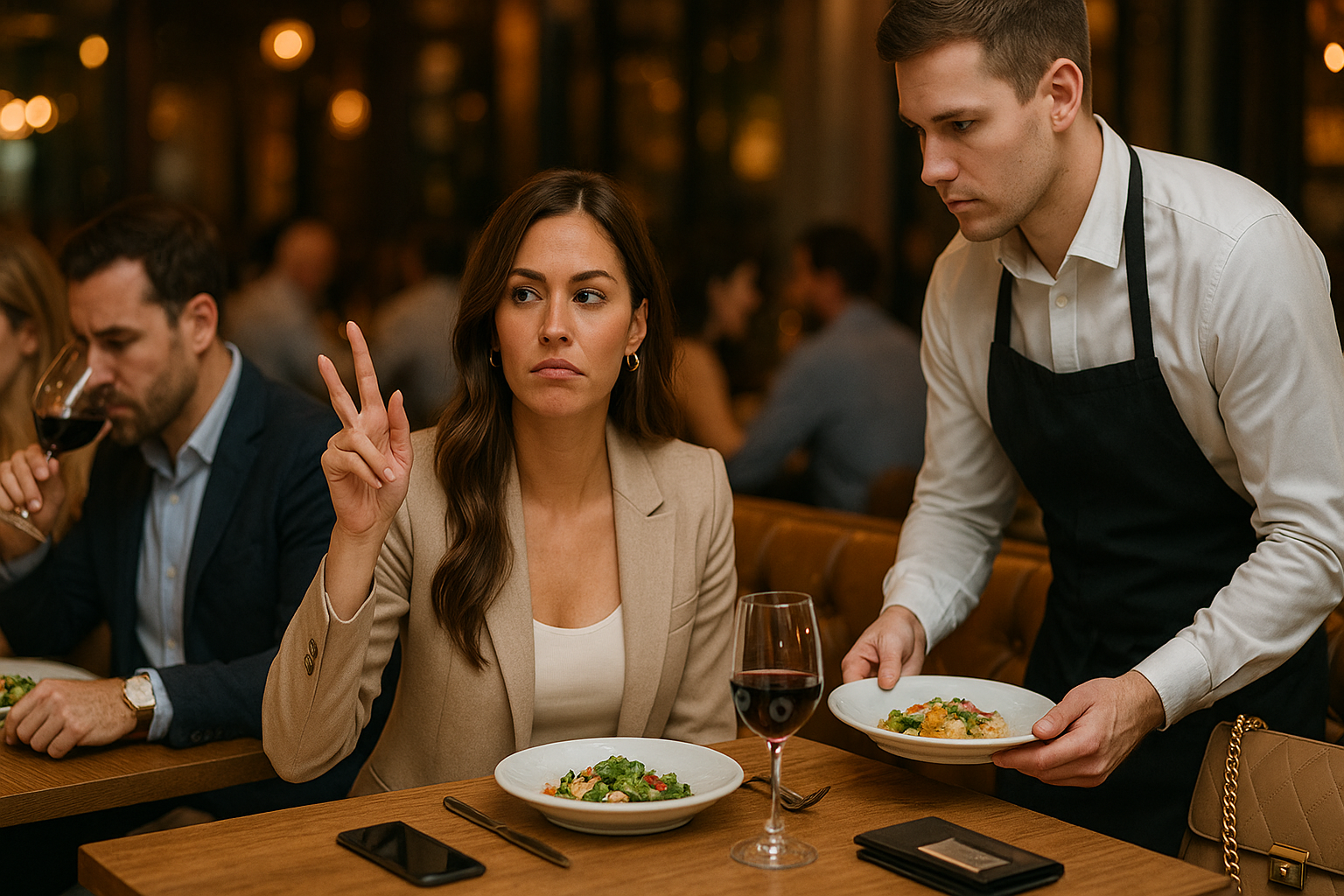
If you’ve ever dined out at a nice restaurant, you’ve probably seen it: people who aren’t intentionally rude, but whose habits carry a whiff of entitlement. Many upper-middle-class diners don’t mean to be arrogant—it’s just that certain behaviors have been normalized in their social circles.
Here are eight ways these habits show up, often without the person realizing how they come across.
1. Acting like they “own” the place
For many upper-middle-class people, dining out at nice places is a routine, not a rare treat. That comfort can turn into a subtle sense of ownership—like the restaurant is their personal dining room.
You’ll see it in the way they wander to “their usual table” without checking with staff, or how they move chairs and place settings around without asking. Some might even expect servers to remember their favorite wine or how they like their steak cooked, as if the entire staff exists for their convenience.
The irony? In their mind, it’s not arrogance—it’s familiarity. But to staff and other diners, it can read as presumptuous.
2. Ordering like they’re conducting a negotiation
The menu says “pan-seared salmon with seasonal vegetables,” but that’s just a starting point. An upper-middle-class diner might ask for it grilled instead of pan-seared, swap the vegetables for asparagus (lightly steamed, no butter), add a side salad (dressing on the side), and replace the salmon with whatever fresh catch the chef has—if possible.
Individually, these requests aren’t outrageous. But stacked together, they shift the dynamic: the diner becomes the director of the meal, and the server the assistant tasked with making it happen.
Again, it’s rarely meant as a power play—it’s just the comfort of assuming a restaurant should adapt completely to them.
3. Dropping names or hinting at connections
A subtle (or not-so-subtle) “We know the owner” or “We come here all the time” can creep into conversations with staff. Sometimes it’s meant to be casual small talk. Other times, it’s a way of securing better treatment, faster service, or a table when the place is full.
The entitled element here isn’t the connection itself—it’s the underlying assumption that this connection should influence the service.
To the diner, it’s just chatting. To staff, it’s a gentle reminder that this person sees themselves as part of an “inner circle” and expects perks.
Related: 10 phrases self-centered people use in everyday conversation
4. Expecting instant attention—no matter how busy it is
Restaurants can be hectic, especially on weekends. But some diners seem genuinely puzzled when their water glasses aren’t refilled immediately or when they wait more than a few minutes to order.
The upper-middle-class mindset sometimes comes with an unspoken belief: “If I’m here and paying for this experience, my needs should be prioritized.”
You’ll notice this in impatient glances toward the server station, small sighs, or a quick wave to flag someone over—even if other tables are clearly in line for service too. They don’t see it as impatience. They see it as ensuring good service.
5. Treating the wine list like a status test
Ordering wine in some circles is less about taste and more about sending a signal. An upper-middle-class diner might loudly discuss vintages, ask the sommelier for detailed tasting notes, or make a show of rejecting a bottle because it’s “not quite right.”
None of this is inherently bad—knowledge about wine can genuinely enhance a meal. But when the performance overshadows the enjoyment, it starts to feel less like appreciation and more like flexing expertise.
In their mind, they’re being discerning. To others, it can come across as showing off.
6. Making “just a quick adjustment” to the bill
The meal is done, the bill arrives, and now comes the audit. Upper-middle-class diners may scrutinize every line—not because they can’t afford it, but because they expect precision in service.
Sometimes they’ll ask for a dish to be comped because “it wasn’t quite what I expected” or negotiate a discount for a small error. While it’s fair to address mistakes, the sense of entitlement comes from treating the bill like a contract that must be renegotiated until it perfectly suits them.
For the staff, this can turn a pleasant evening into a stressful one.
7. Holding the table long after the meal is done
Many restaurants plan seating around turning tables at a certain pace. But for upper-middle-class diners, lingering over empty coffee cups for two hours after the bill is paid feels perfectly natural.
In their mind, they’re enjoying the ambiance and conversation. But from the restaurant’s perspective, they’re occupying prime real estate that could be earning more revenue.
This isn’t just inconsiderate—it often forces staff into the awkward position of subtly trying to usher them out, which can lead to resentment on both sides.
8. Treating tipping as a performance
In places where tipping is standard, the upper-middle-class diner often sees it as part of their personal brand. They might tip generously—but in a way that ensures it’s noticed. The cash is placed on the table before the server arrives. They mention the amount to their friends. Or they tip big only if service meets a very high personal standard.
While tipping well is commendable, the performative element shifts it from generosity to a transaction for status.
The unspoken message becomes: “I’m rewarding you for serving me well”—a dynamic that reinforces the sense of hierarchy.
Why these habits stick
The thing about entitlement is that it often hides behind good intentions. Many of these behaviors stem from wanting a great experience, getting value for money, or simply being used to a certain standard of service.
Upper-middle-class diners may not realize how these habits look from the outside because in their world, they’re normal. If their friends all make detailed menu changes or linger over long meals, it feels standard.
But in mixed company—or from the perspective of restaurant staff—these habits can read as assuming the world will adapt to you.
The takeaway
Entitlement at restaurants isn’t always loud or aggressive. Sometimes it’s the quiet assumption that you can bend the experience to fit your exact preferences, that your comfort comes before the smooth running of the place, or that your presence carries special weight.
Being aware of these subtle cues doesn’t mean you have to stop enjoying nice meals or making requests. It just means balancing your preferences with respect for the people and systems making your dining experience possible.
After all, the best dining moments come when both the diner and the staff feel valued—not when one side quietly feels taken for granted.
