

9 things boomers did as teens that Gen Z wouldn’t survive a day doing

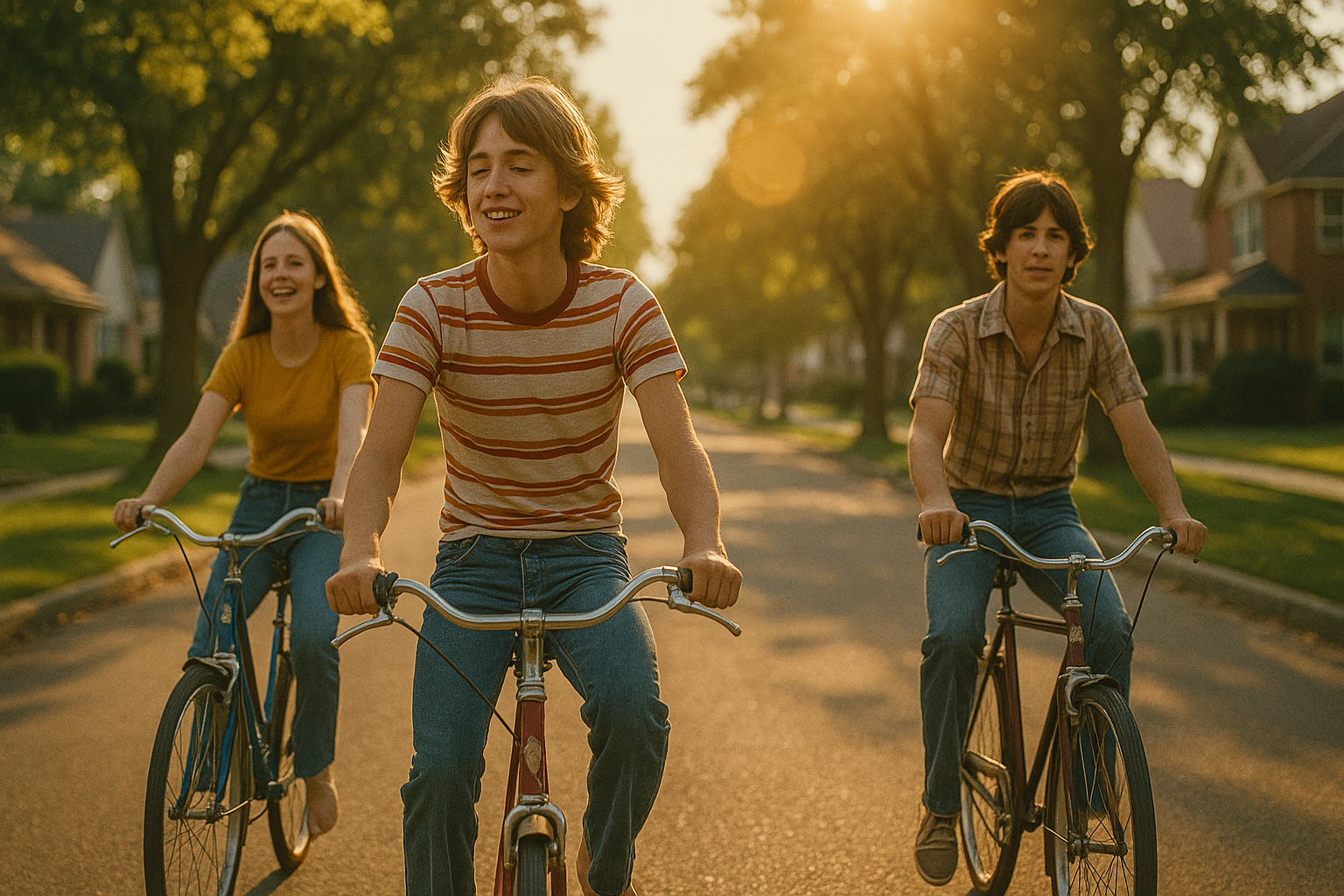
Boomers grew up in a world without smartphones, Wi-Fi, or even much parental supervision. Their teenage years were a wild mix of danger, independence, and DIY problem-solving—far removed from the hyper-connected, convenience-driven lives of Gen Z today.
It’s not about which generation is better or worse—it’s about how wildly different the conditions were. Boomers didn’t have it easier. In fact, many of the things they did as teens would probably shock, overwhelm, or even terrify the average Gen Z teenager.
Here are 9 things boomers did as teens that Gen Z simply wouldn’t survive a day doing—because times have changed, and so has the world.
1. Riding bikes for miles—without a phone or helmet
For boomers, bikes weren’t just for fun—they were freedom. You’d hop on your bike at 10 a.m., vanish for hours, and show up at home by dinner, covered in dirt and stories. No location tracking. No texts from worried parents. And definitely no helmets.
Kids would build jumps out of cinderblocks and plywood, tear down gravel roads, and crash regularly—with nothing more than a scraped knee and a “walk it off” attitude.
For Gen Z, who’ve grown up with “Find My iPhone,” GPS maps, and padded everything, the idea of being that unreachable—and unprotected—would be unthinkable.
2. Drinking from the garden hose and surviving off peanut butter sandwiches
Boomer hydration strategy? Garden hose. If you were thirsty, you didn’t go inside for a glass bottle of electrolyte-infused sparkling water. You turned on the rusty green hose in your yard and hoped it wasn’t boiling from sitting in the sun.
Lunch? Probably a dry peanut butter sandwich, maybe with a banana if you were lucky. No bento boxes. No vegan gluten-free options. No Uber Eats.
And somehow… they were fine. Gen Z, with its curated meals and food sensitivity filters, would probably find this borderline neglectful—but boomers called it a normal Tuesday.
3. Going out without a way to contact anyone
There was no texting “here” when you arrived. No group chats to coordinate where to meet. If a boomer teen said they’d meet you at the corner store at 3 p.m., you showed up and waited. If they didn’t come, you either assumed they forgot—or died.
And if something happened? You had to figure it out on your own. Lost? Ask for directions. Need a ride? Use a payphone (if you had a coin). There was no “just Google it.”
Gen Z, raised on instant communication and digital lifelines, would probably have a full-blown anxiety attack after 15 minutes of disconnection.
4. Taking shop class with actual tools—and no safety goggles
Boomers learned how to use power tools in school. Bandsaws. Drill presses. Wood lathes. Often under the supervision of a chain-smoking teacher who thought safety goggles were optional.
They built birdhouses and stools and walked out of class with splinters and pride. Cuts were common. Missing a finger? Rare—but not unheard of.
Today, most schools have sanitized shop classes or scrapped them entirely. Liability. Insurance. Safety. And if you told a Gen Z teen to use a belt sander without a full risk assessment, they’d report you for endangerment.
5. Catching a ride from strangers—because “stranger danger” didn’t exist yet
Hitchhiking wasn’t weird in the 60s and 70s. Boomers would stick out a thumb and catch a lift from whoever stopped. It wasn’t safe. It wasn’t smart. But it was normal.
There were no background checks, no license plate scans, no tracking apps. You just trusted your gut—and hoped the guy driving wasn’t a psycho.
Gen Z has grown up in a post-true crime world where every stranger is a potential kidnapper. The idea of hitchhiking today? Pure horror movie material.
6. Waiting patiently—for everything
Want to hear your favorite song? Wait for it on the radio—and pray you catch it before the DJ starts talking over the end. Want to watch a movie? Wait for it to come on TV next month—no streaming, no skipping. Want to buy something? Save up and wait for weeks until you could go to the store.
Patience wasn’t just a virtue. It was survival.
Gen Z, with their one-day shipping, on-demand content, and dopamine-driven scrolling, has never really had to wait for anything. To a boomer teen, that would sound like a dream. But to Gen Z, the slow pace of the past would feel unbearable.
7. Using encyclopedias and card catalogs to do homework
Boomers had to hunt for information. Doing a school project meant walking to the library, digging through a card catalog, and hoping the book you needed wasn’t already checked out. Then you’d sit down and copy what you needed—by hand. No copy-paste. No AI summaries. No Ctrl+F.
Gen Z has the entirety of human knowledge in their pocket. And yet… ask some of them to read a paper book or write a bibliography manually, and you’ll get a blank stare.
Boomers learned to research the hard way—and that patience, persistence, and problem-solving is something the algorithm can’t teach.
8. Being home alone at 10 years old—and expected to cope
Latchkey kids were common in the boomer era. Parents worked. Babysitters weren’t always available. So by age 10, you were expected to get yourself home, make a snack, and not burn the house down.
You learned how to microwave leftovers. Lock the doors. Ignore weird phone calls. Handle being scared.
Today, that might seem negligent. But back then, it was a rite of passage. It taught independence—fast.
Gen Z teens are more supervised, more scheduled, and more protected than ever. And while that’s not necessarily a bad thing, it does mean fewer opportunities to learn the hard stuff—like what to do when the power goes out and you’re the only one home.
9. Dealing with social rejection—in person
No ghosting. No blocking. If someone didn’t want to talk to you or broke your heart, it happened face-to-face or over a landline with no caller ID. You had to deal with awkward silences, visible tears, and public embarrassment.
Boomers had no digital armor to hide behind. No curated profiles. No DMs to slide into.
Friendships were forged (and sometimes destroyed) in school hallways and roller rinks, not through group chats or comment sections.
Gen Z has its own social pressures—absolutely. But the raw, unfiltered exposure of real-world rejection? That’s a level of emotional resilience most people never want to experience again.
Conclusion: Different worlds, different skills
This article isn’t about mocking Gen Z or glorifying the past. Every generation has its strengths and weaknesses, shaped by the world they grew up in.
Boomers developed grit, self-reliance, and a tolerance for discomfort because they had to. Gen Z is growing up with greater access, awareness, and emotional intelligence—but often less room to fall and get back up.
If boomers had to survive today’s digital world, they’d struggle too. Imagine a boomer trying to navigate TikTok or deal with cyberbullying. It goes both ways.
But there’s something powerful about remembering how much resilience was required just to be a teen in the boomer era—and maybe, just maybe, there’s something for all of us to learn from that toughness.
