

If you pretend not to see people you know in public to avoid small talk, you exhibit these 7 traits

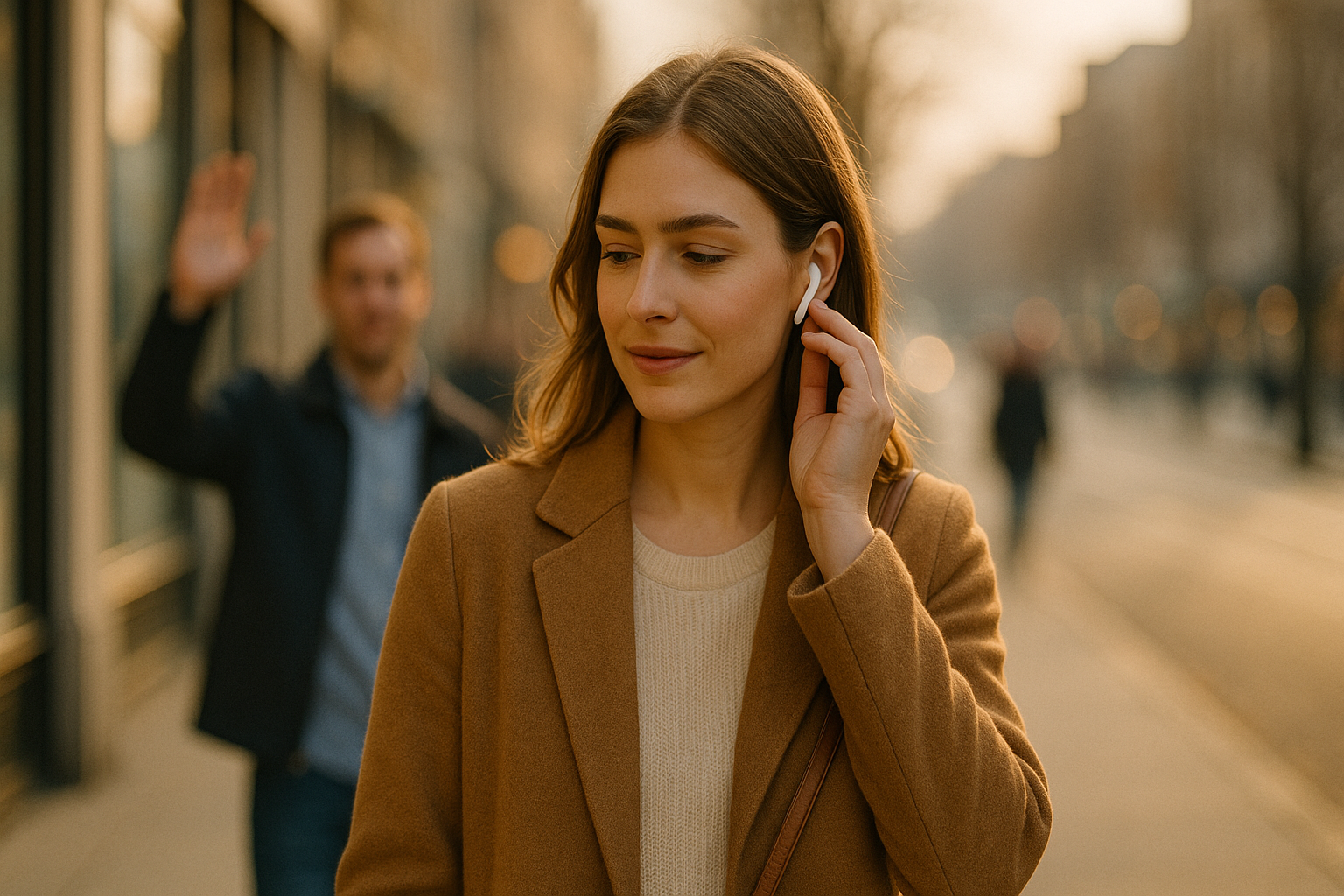
We’ve all been there. You’re walking down the street, doing your own thing, when suddenly you spot someone you know in the distance.
And instead of smiling, waving, or stopping for a quick “How have you been?”, you instinctively look away. Maybe you dive into your phone. Maybe you turn down a side street. Maybe you pretend you didn’t see them at all.
If you do this often—not because you dislike the person, but because you just don’t want to engage—you’re not necessarily rude or antisocial. In fact, psychology suggests this habit often says more about your personality and mindset than it does about your feelings toward others.
Here are 7 traits that people who avoid public small talk often share.
1. You’re highly self-aware
One of the most common threads among people who avoid small talk is a heightened sense of self-awareness.
You’re acutely conscious of how you’re feeling in the moment—your energy level, your mood, your focus.
This awareness isn’t a bad thing. In fact, it can help you manage your time and emotions more effectively. You know that if you stop for small talk when you’re tired, distracted, or emotionally drained, you won’t be present in the conversation anyway.
So, you opt out before it begins.
Self-awareness also means you’re good at setting personal boundaries. You don’t automatically feel obligated to interact with someone just because you’ve made eye contact. You understand that protecting your mental space sometimes takes priority over being socially available.
2. You value depth over surface-level connections
Avoiding small talk isn’t necessarily about being shy—it’s often about wanting more meaningful interactions.
You might enjoy spending hours with a close friend talking about real issues, ideas, and life events. But a quick exchange about the weather or “What have you been up to?” feels hollow to you.
This trait links to what psychologists call need for cognition—the tendency to enjoy deep thinking and complex conversations. When small talk doesn’t satisfy this need, you instinctively sidestep it.
You’d rather save your social energy for moments when you can truly connect. For you, depth matters far more than frequency of interaction.
3. You’re protective of your mental and emotional energy
Social interaction—especially when it feels forced—can be draining. If you habitually avoid small talk, it may be because you’ve learned to protect your emotional reserves.
Psychology refers to this as energy management—the conscious decision to engage in activities and interactions that nourish you, while limiting those that deplete you.
This doesn’t mean you dislike people. It means you’re attuned to how even a short chat can shift your mood, disrupt your focus, or leave you feeling “off.” So, you choose when and where to socialize with intention.
4. You’re comfortable breaking social norms (when it serves you)
Let’s face it—pretending not to see someone you know goes against an unspoken rule of social etiquette: acknowledge and engage.
If you do it anyway, it means you’re willing to bend or break these norms when they don’t align with your needs.
This trait is closely tied to self-directedness—a psychological quality that allows you to make choices based on your values rather than external pressure.
Of course, you probably pick your moments. You’re not looking to offend or create tension. But you also know that the tiny ripple of awkwardness from not stopping to chat is less costly than draining yourself in a conversation you didn’t want to have.
5. You’re more introverted than you might admit
Even if you enjoy socializing in the right setting, this habit often points to an underlying introverted streak.
Introversion doesn’t always mean you dislike people. It means that social interaction costs you energy instead of giving it. So, on a random Tuesday afternoon, you might not have the bandwidth to engage—even if the other person is perfectly nice.
This isn’t about being unfriendly; it’s about knowing that your social battery is finite. You want to decide when to spend it, rather than letting every random encounter drain it.
6. You have strong situational awareness
The decision to avoid someone in public often happens in a split second. You scan the environment, notice who’s there, and quickly decide how to navigate it.
This skill—called situational awareness—is a form of social intelligence.
You’re reading cues constantly: How far away is the person? Have they seen you yet? Is there an easy escape route?
Ironically, this awareness shows that you’re not socially oblivious—you’re very tuned in. You’re just using that awareness to avoid, rather than initiate, an interaction.
7. You’re comfortable with selective social engagement
Ultimately, this habit reflects a belief that you don’t have to be available to everyone at all times. You’ve likely outgrown the idea that politeness means constant accessibility.
Selective social engagement means you choose your moments of interaction based on relevance, timing, and your own emotional state.
This doesn’t make you cold; it makes you intentional. You’re deciding who gets your time and attention in a way that aligns with your priorities.
In psychology, this is linked to self-regulation—the ability to align your actions with your personal goals and values, even in the face of social expectations.
Final thought
If you sometimes cross the street, duck into a shop, or pull out your phone to avoid an unexpected public chat, you’re not alone. For many, this isn’t about dislike—it’s about energy, priorities, and how you choose to connect with others.
Psychology suggests that people who do this often know themselves well, value depth, and are comfortable making choices that serve their mental and emotional wellbeing—even if those choices break minor social rules.
So the next time you pretend not to see someone you know, remember: it’s not always avoidance for avoidance’s sake. Sometimes, it’s simply self-preservation.
