

If your social media looks like this, people are secretly judging you

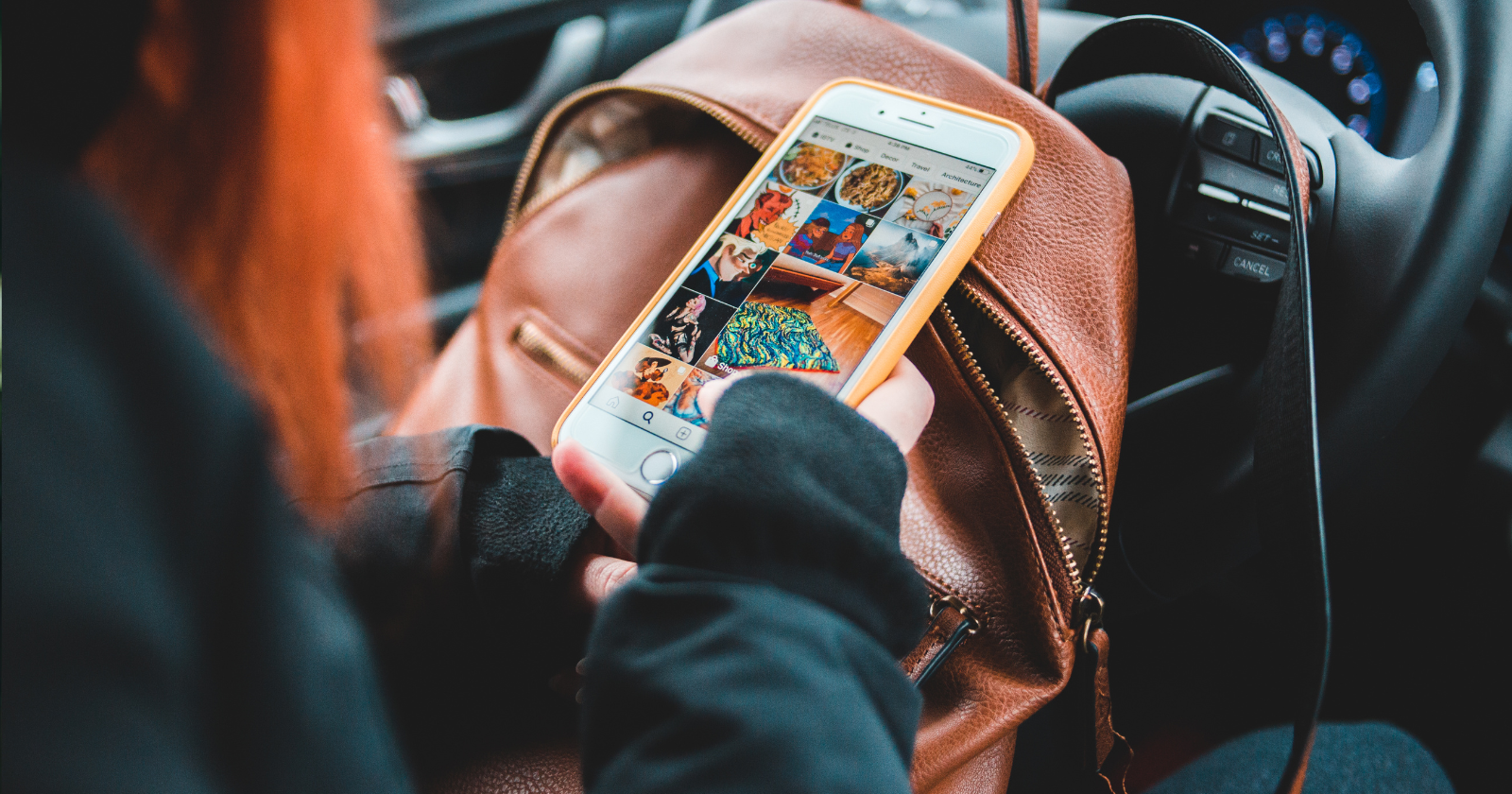
We like to believe that social media is a harmless playground—a place to share selfies, vacations, achievements, and late-night thoughts. But whether we admit it or not, our digital presence speaks volumes. Just like your clothes, posture, or tone of voice, your social media pages communicate subtle cues about who you are.
And the truth? People are judging you based on what they see.
Not always maliciously. Sometimes it’s subconscious, automatic, and almost impossible to avoid. Social media is one of the main lenses through which people get to know you. Your coworkers, potential employers, dates, friends—even strangers—are piecing together a narrative about you from your posts, likes, and photos.
So, if your social media looks like any of the following, people might be forming opinions you didn’t intend to broadcast.
1. The “highlight reel with no depth”
It’s normal to share achievements, vacations, and happy moments. But when your feed is only glossy perfection—expensive restaurants, beach selfies, filtered sunsets—it can come across as curated to the point of being inauthentic.
What people think:
-
“They’re trying too hard to impress.”
-
“Do they have anything meaningful going on beyond the surface?”
We don’t need to see your every struggle, but adding depth—an honest reflection, a small setback, or even a humble post—can make you more relatable. Otherwise, your highlight reel may quietly invite envy or skepticism instead of admiration.
2. The constant “look at me” selfie parade
Selfies aren’t bad. They’re a form of self-expression and confidence. But when every post is a selfie in slightly different lighting, angles, or outfits, it creates a one-dimensional image.
What people think:
-
“This person is obsessed with themselves.”
-
“Do they ever talk about anything other than their face?”
Psychology research even suggests that frequent selfie posting correlates with perceptions of narcissism. Even if you’re not narcissistic, the impression lingers. Mixing in other types of posts—interests, insights, or even photos that aren’t of you—signals a more balanced personality.
3. The oversharer’s diary
Some people treat Facebook or Instagram captions like a personal journal. Breakups, health complaints, workplace rants—everything spills onto the timeline.
What people think:
-
“They lack boundaries.”
-
“They must crave attention.”
-
“If I get close to them, will my private life also end up online?”
Vulnerability can be powerful, but oversharing often repels rather than connects. Instead of drawing people in, it makes them quietly distance themselves, worried about being dragged into your drama.
4. The ghost account
At the opposite extreme, some accounts are practically barren. No updates, no photos, maybe a single profile picture from five years ago.
What people think:
-
“What are they hiding?”
-
“Do they not have a life worth sharing?”
-
“Are they socially disconnected?”
In reality, you might just be private—or uninterested in social media. But in a digital-first world, a completely blank profile can make others uneasy. Even if you value privacy, a little activity—a quote you like, a hobby, a travel photo—provides reassurance that you exist beyond the shadows.
5. The humblebrag addict
You know the type: posts that pretend to be modest but are really self-congratulatory.
-
“Can’t believe I made the Forbes 30 under 30 list—what an honor!”
-
“So humbled to be invited to speak at this event in Paris.”
What people think:
-
“They want praise without admitting it.”
-
“Do they ever relax?”
Celebrating achievements is great. But the key is tone. If it feels like you’re fishing for validation, people will quietly roll their eyes instead of applauding.
6. The negativity magnet
Do you constantly share complaints about politics, your job, the weather, or “how dumb people are”? Social media thrives on outrage, but when someone’s feed becomes a cycle of cynicism, it wears people down.
What people think:
-
“Being around them must feel draining.”
-
“They thrive on conflict.”
-
“I’d rather not engage.”
A little venting is human. But if negativity is your default mode online, don’t be surprised if people start quietly muting or unfollowing you.
7. The party animal archive
Photos of nights out, drinks in hand, bleary-eyed 2 a.m. selfies—it’s all fun and games until someone else forms an impression.
What people think:
-
“Do they ever slow down?”
-
“They don’t seem very responsible.”
-
“Not someone I’d trust with serious tasks.”
Potential employers, romantic partners, even family members all interpret repeated party content as immaturity. Share the fun, but balance it with posts that highlight other sides of your life.
8. The “everything is a flex” persona
New car. New apartment. Designer shoes. Every post is about money, status, or what you own.
What people think:
-
“They’re insecure.”
-
“They measure their worth by stuff.”
-
“I can’t take them seriously.”
Ironically, the more you flaunt possessions, the more people suspect you’re lacking something deeper—like confidence, relationships, or purpose.
9. The political warrior
Engagement in politics and social causes matters. But when your social media is nothing but heated rants, links, and arguments, it paints you as combative.
What people think:
-
“This person only sees the world through conflict.”
-
“Every conversation must turn into a debate.”
People respect conviction but also crave balance. If your feed feels like a battleground, many will avoid engaging altogether.
10. The “always online” responder
Do you like, comment, or react to everything—instantly? Do people always see your green dot on Messenger or “online now” tag?
What people think:
-
“Do they have anything else going on?”
-
“They must be glued to their phone.”
Even if you’re just efficient, the perception is of someone addicted to scrolling.
Why judgment happens (and why you can’t avoid it)
Humans are wired to make snap judgments. Social media amplifies this because it condenses your identity into fragments: pictures, captions, likes. It’s not fair—but it’s reality.
Psychologists call this the halo effect: a single trait, positive or negative, colors how others perceive your entire personality. A flood of selfies suggests vanity. A streak of rants suggests bitterness. And once people form that impression, it sticks.
What to do instead
You don’t need to overhaul your social media to impress others. But you can shape the story your feed tells.
-
Balance is everything: Mix personal wins with hobbies, thoughts, or humor.
-
Authenticity over perfection: Share moments that show humanity, not just polish.
-
Intentional privacy: You don’t need to share everything—just enough to reflect who you are.
-
Watch your tone: Ask yourself, “Does this post sound like I’m bragging, complaining, or oversharing?”
-
Think audience: Remember that colleagues, friends, and strangers all see the same feed.
Final thoughts
Your social media is less about what you post and more about the impression it leaves behind. If your profile looks like a highlight reel, a complaint box, or a shrine to your face, people will judge you—even if they never say it out loud.
The question isn’t whether you’re being judged. You are. The real question is: Are you telling the story you actually want people to believe about you?
