

People who keep their dog on a short leash in crowds (and pick up after them) often display these 9 highly respectful traits

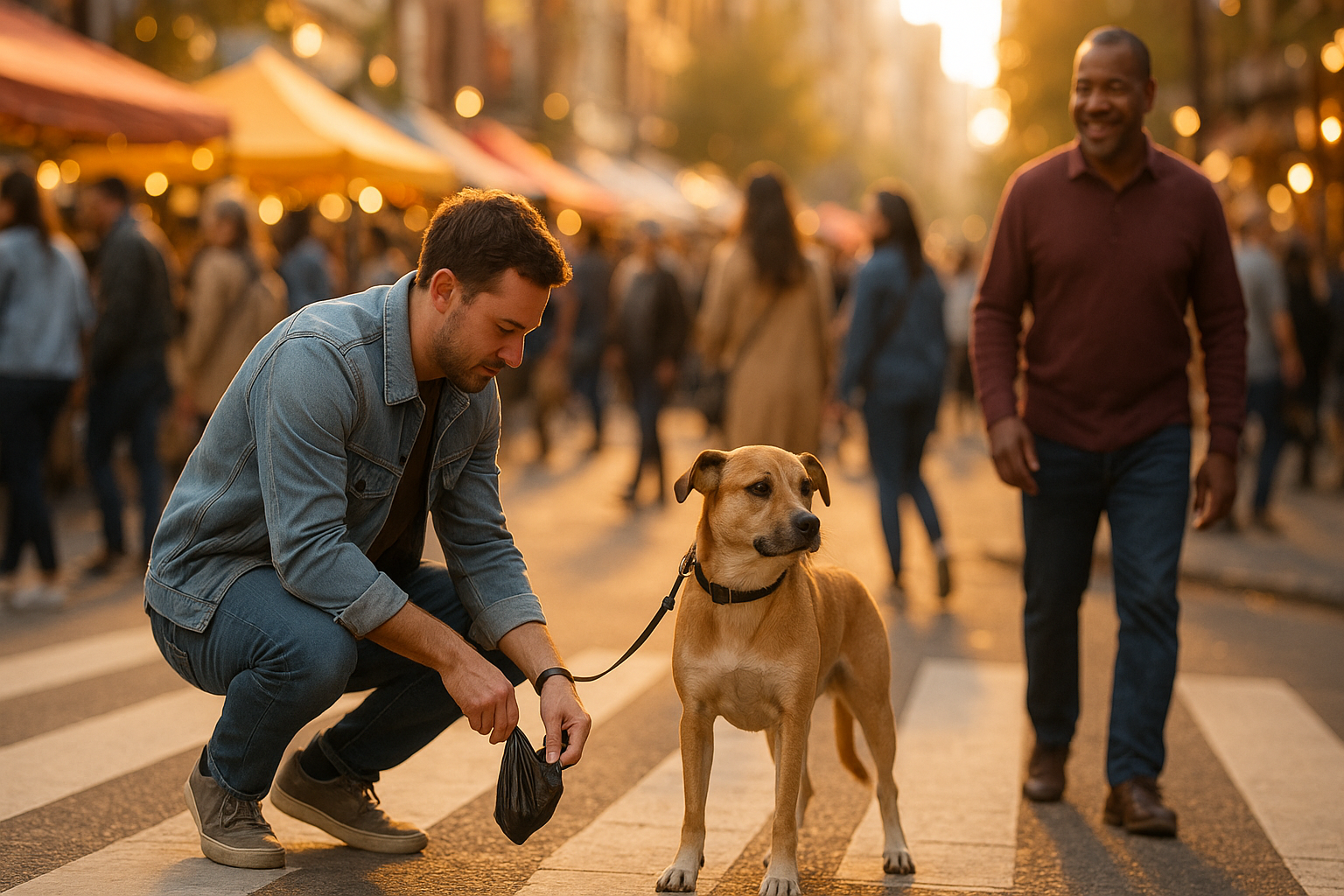
When you see someone keeping their dog on a short leash in a busy area, making sure others feel safe and comfortable, and then promptly cleaning up after them, you’re not just looking at a responsible pet owner—you’re often looking at someone who naturally puts the community first.
It’s not just about the leash or the poop bag. These small, consistent acts signal a mindset: “I’m part of a shared space, and my actions matter to others.”
Here are nine community-first habits that people like this often display in everyday life.
1. They anticipate the needs and comfort of others
People who keep their dogs under control in a crowd understand that not everyone loves dogs—some are fearful, allergic, or simply want personal space.
This habit often extends into other parts of life: they anticipate how their actions affect others, whether it’s choosing where to stand in a crowded lift or noticing when someone needs a seat.
It’s the quiet kind of consideration that makes public spaces feel more comfortable for everyone.
2. They follow unspoken social agreements
Walking a dog responsibly means abiding by both written rules (like leash laws) and unwritten ones (like not letting your dog jump on strangers).
These people tend to extend this awareness to other shared settings—waiting their turn in queues, using “thank you” and “excuse me” without fail, and respecting noise limits in apartment buildings.
They see these agreements not as restrictions, but as the glue that keeps a community running smoothly.
3. They handle inconveniences without making them other people’s problem
Picking up after your dog is, let’s face it, not fun. But responsible owners accept that it’s part of the job—they don’t leave mess for others to deal with.
This mindset shows up in other ways: rinsing the sink after using it, returning shopping carts, or fixing something they’ve accidentally knocked over. They understand that your mess should be yours to manage, not someone else’s burden.
4. They think ahead to avoid causing harm
Keeping a dog close in a crowd prevents accidents—like someone tripping over the leash or a dog darting toward traffic.
In daily life, these people tend to think one or two steps ahead. If they’re hosting a party, they check dietary restrictions. If they’re moving furniture, they measure the doorway first.
It’s a habit of planning with others in mind, not just themselves.
5. They have a healthy sense of personal responsibility
There’s no blaming the weather, the crowd, or the dog’s “high energy.” If their dog misbehaves, they step in quickly and correct it.
In other situations, this translates to owning their mistakes and doing what they can to set things right—whether that’s apologizing when they’re wrong, repairing something they broke, or following through on a promise without needing reminders.
6. They make space for everyone to feel safe
Crowded sidewalks can be stressful for parents with strollers, elderly pedestrians, or cyclists. People who keep their dogs close are actively making space for these groups to pass without stress or fear.
In other parts of life, they tend to be the kind of people who notice when someone looks uncomfortable and discreetly help—like shifting over to make room on a bench or guiding a newcomer through a confusing process.
7. They understand the ripple effect of small actions
A single dog left off-leash in a busy place can cause chaos: one startled child, one toppled coffee, one angry confrontation. Responsible owners know that small actions create big effects.
This awareness shows up in how they live—turning down loud music at night, double-checking their recycling, or slowing down at pedestrian crossings. They know that their choices have consequences beyond themselves.
8. They show quiet leadership by example
They don’t need to lecture anyone about leash laws or picking up after pets—they simply do it. And often, others notice and follow suit.
The same happens in non-dog scenarios. They’re the ones who start cleaning up after a picnic, greet strangers warmly, or yield the right of way—showing that you can influence a group’s behavior without saying a word.
9. They see themselves as part of something bigger
Responsible pet owners in public understand: the street, the park, and the footpath are shared spaces. Taking care of them isn’t just about avoiding fines—it’s about contributing to a place where everyone can enjoy themselves.
This perspective often means they volunteer in small ways, help neighbors without expecting payback, or participate in community decisions. They act not as isolated individuals but as part of a wider whole.
Final thought
When you see someone keeping their dog on a short leash in a crowd and promptly cleaning up after them, you’re not just seeing courtesy—you’re seeing a set of values in action.
These small, consistent habits add up to something big: a community where people trust each other to be mindful, considerate, and responsible.
And perhaps the real takeaway here is this: you don’t have to own a dog to live this way. Every day offers chances to put the community first—whether that’s with a leash, a shopping cart, or simply your own two feet.
