

People who prefer to use texts rather than calls usually display these 8 traits

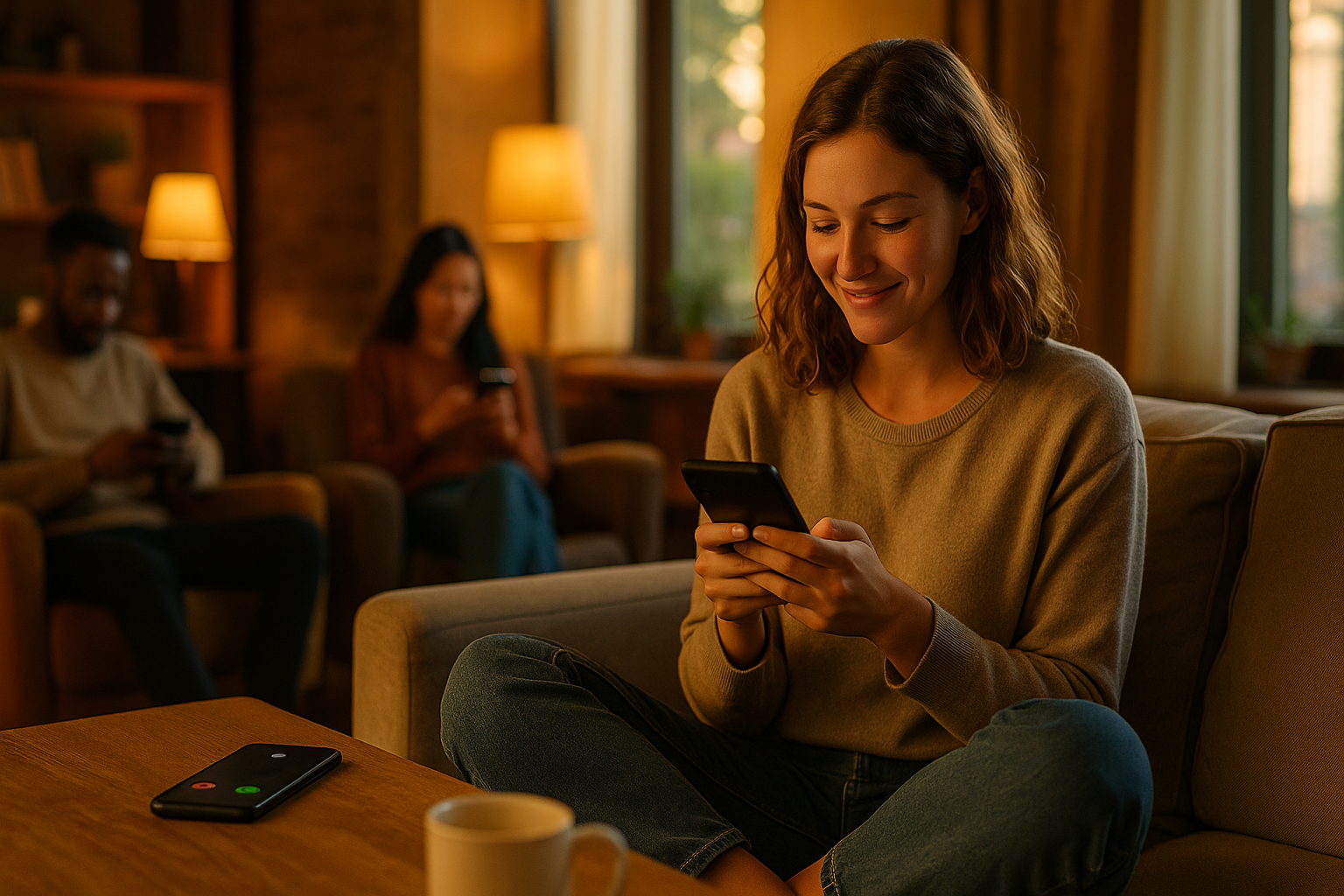
Let’s face it—texting has taken over much of our communication. It’s fast, non-intrusive, and allows us to think before we speak. But have you ever noticed that some people always text, even when a phone call might be quicker or more efficient?
If you’re one of them—or know someone who is—you might be surprised to learn that preferring text over calls often reflects certain consistent personality traits and psychological patterns. These aren’t just quirks. They’re expressions of how someone processes social interaction, boundaries, and even emotional regulation.
Here are 8 traits commonly found in people who prefer texting over calling.
1. They are highly introspective
People who prefer texting often like to think before they communicate. With a text, they can take a moment to reflect on how they feel, what they want to say, and the best way to say it. This introspective tendency means they often seek depth over spontaneity in their interactions.
Rather than blurting out something on a call they might regret, they prefer the measured tone of a well-thought-out message. This doesn’t mean they’re shy or distant—it just means they value deliberate communication.
If you find yourself re-reading a text before hitting send, editing your words carefully, or crafting the perfect emoji to match your tone—you’re likely someone who lives in your head a little more than the average person. And that’s not a bad thing. It’s reflective of inner awareness.
2. They value control and boundaries
Let’s be real—calls are demanding. They force you to respond in real time, interrupt your day, and often go on longer than necessary. Texts, on the other hand, offer control.
People who prefer texting often like to communicate on their own terms. This doesn’t mean they’re antisocial. It means they’re conscious of their time, energy, and attention.
Texts allow them to multitask, pause a conversation when needed, and respond when it feels right. They don’t have to fake enthusiasm or force small talk. They can show up more authentically by setting the pace of communication.
This need for boundaries isn’t about distance—it’s about mental clarity. These are people who guard their peace and prefer connections that respect personal space.
3. They’re often more emotionally sensitive
Phone calls can feel invasive to emotionally sensitive people. The tone of voice, background noise, or even a long pause can trigger anxiety or overthinking.
Texting provides a buffer. It gives emotionally sensitive individuals time to process what someone said, assess how it made them feel, and decide how to respond in a way that aligns with their values.
They often pick up on subtle emotional cues, and texting removes the pressure of reacting immediately. It lets them avoid emotional overwhelm and maintain a sense of emotional regulation.
In short, people who text more than they call may not be avoiding emotion—they may simply be trying to navigate it more gently.
4. They tend to be independent thinkers
Texting appeals to people who enjoy autonomy. They don’t always need real-time validation or constant dialogue. They prefer to reflect, formulate opinions, and reply after they’ve had time to think.
This trait often shows up in people who are confident in their inner world and don’t feel the need to fill silences with noise. Calls can feel chaotic or overly performative to them, especially if they’re being pressured to respond quickly or make snap decisions.
Texting offers space to consider different perspectives, look up facts, or even reread the previous messages. That freedom to think before engaging is often deeply valued by independent minds.
5. They’re better at written than spoken communication
This one might seem obvious, but it’s worth noting. Many people who prefer texting over calling are simply more articulate in writing than they are in speech.
They can express themselves more clearly, confidently, and creatively through text. They use emojis, punctuation, and even GIFs as extensions of their tone. In contrast, they may feel awkward or less fluent during phone conversations.
This is especially true for people with social anxiety or introversion. The written word feels safer, more manageable, and easier to control.
Even for those without anxiety, texting offers the chance to edit—something you can’t do in a phone conversation. That’s powerful, especially for people who value clear communication.
6. They tend to avoid confrontation
Here’s a truth bomb: many people who avoid phone calls are also avoiding confrontation. It’s not that they’re dishonest—it’s that verbal conflict can feel intense and unpredictable.
Texting provides a filter. It removes vocal tone, facial expressions, and real-time emotional reactions from the equation. This distance can make tough conversations feel less threatening.
That’s not to say they don’t handle conflict—they just prefer to do it in a format where emotions are less likely to spiral out of control.
This trait often pairs with a desire to maintain harmony. Text-first people are often peacekeepers at heart. They’ll deliver feedback or express disagreement in text because it gives them time to find the most respectful way to say it.
7. They experience social fatigue more quickly
Calls demand energy—more than most people realize. Active listening, vocal modulation, emotional reading, and turn-taking are all subtle forms of mental labor.
For people who experience social fatigue easily, texting is a form of energy preservation. It allows for connection without the performance of constant interaction.
These individuals may love deep conversations, but they prefer to have them in short bursts. They don’t want to be “on” all the time. With texting, they can stay connected while still protecting their mental bandwidth.
In fact, these people often thrive in asynchronous communication. They may have long, meaningful conversations over text that span hours or days—on their timeline.
8. They have high empathy but dislike pressure
Interestingly, people who prefer texting often have high empathy—but they dislike the pressure of having to manage other people’s emotions in real time.
On a call, if someone’s sad, angry, or upset, there’s an immediate emotional responsibility. They’re expected to respond with the right words, the right tone, and the right timing—all on the spot.
For highly empathetic people, this can be overwhelming. They care deeply about how others feel, but they also feel emotionally drained by intense conversations.
Texting gives them time to feel without becoming flooded. They can respond with compassion—but only after they’ve grounded themselves emotionally. It’s not avoidance—it’s emotional sustainability.
Final thoughts: texting isn’t a flaw—it’s a language
People who prefer texting over calling aren’t less connected, less social, or less caring. They simply communicate in a different style—one that prioritizes reflection, boundaries, and emotional balance.
In many ways, texting is the perfect medium for people who value depth over speed, clarity over charisma, and connection over performance.
And that’s worth understanding—not just for our relationships, but for how we shape communication in a digital world.
So the next time someone texts instead of calls, pause before you judge. They might be showing you a different kind of presence—one that’s thoughtful, steady, and quietly powerful.
