

People who refuse to use voice messages and prefer texting usually display these 10 distinct traits

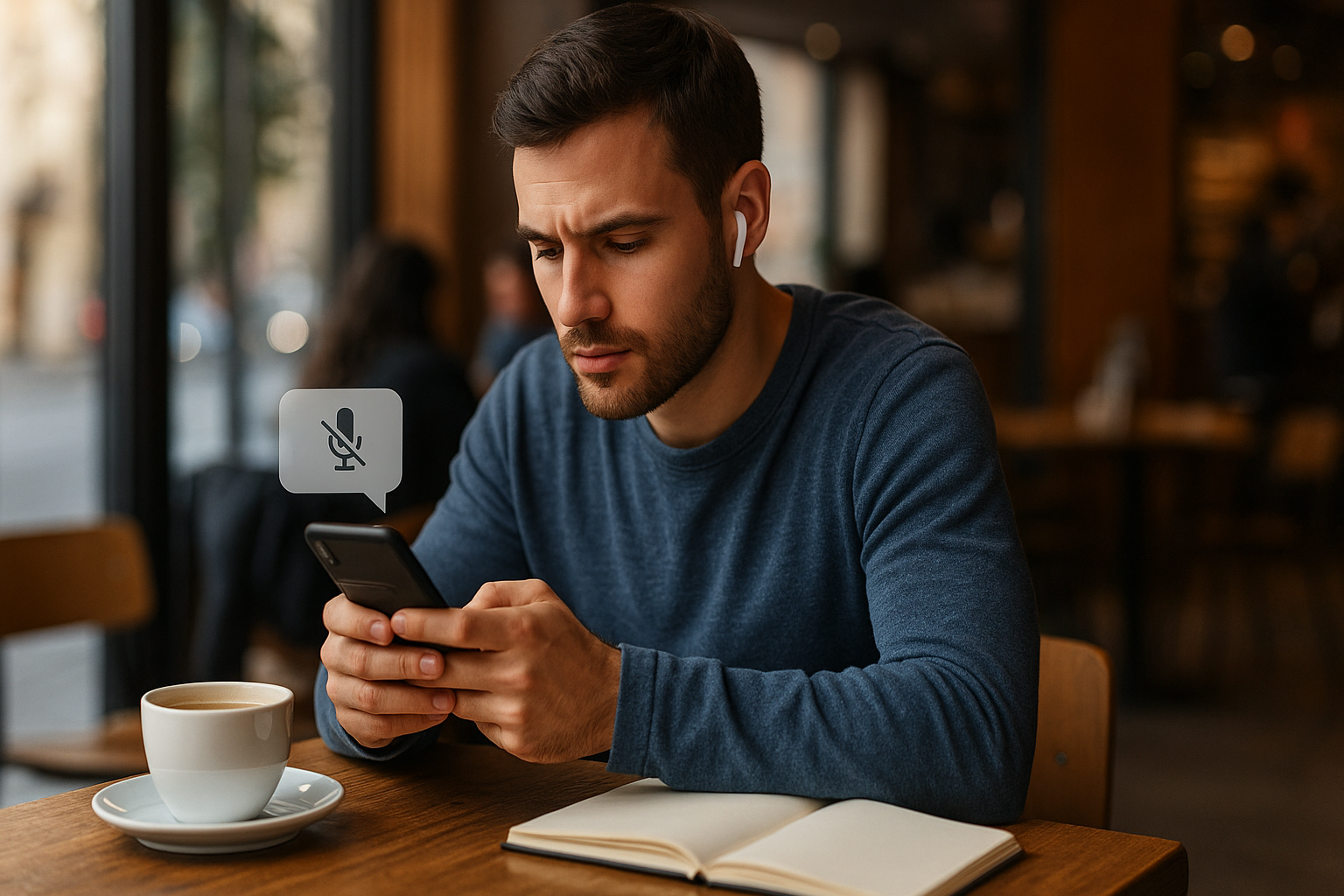
Technology has opened up countless ways to communicate—but not everyone jumps on every new trend. Take voice messages, for example. While some people love holding down a button and sending a stream-of-consciousness update, others firmly stick to texting. If you’re in the latter camp—or know someone who is—you’ve probably wondered why.
Turns out, it’s not just a preference. People who actively avoid voice messages often share a surprisingly consistent set of personality traits, communication styles, and psychological preferences.
Here are 10 distinct traits that people who prefer texting over voice messages often display.
1. They value precision and control in communication
Texting gives people the ability to think, revise, and edit before hitting send. Voice messages? Not so much.
People who prefer texting often feel more comfortable expressing themselves when they have control over their words. They might worry about saying the wrong thing or rambling too much in a voice note. In written messages, they can craft exactly what they want to say—down to the emoji.
This kind of person often thrives in structured environments and tends to dislike ambiguity. They may also be more reflective, preferring to process thoughts internally before expressing them.
2. They’re highly considerate of others’ time and space
There’s an unspoken etiquette in texting: it doesn’t demand your immediate attention. Voice messages, on the other hand, require listening time—and sometimes headphones or a quiet environment.
Text-preferring people are often the type who say, “I don’t want to bother them,” or “They might be busy.” They’re the ones who think, If I text, they can read it when they’re ready. They understand that voice messages can feel intrusive or inconvenient, especially in a work or public setting.
This speaks to a deeper trait: empathy. These people are often tuned into the needs and comfort levels of those around them.
3. They’re introverted—or at least energy-conscious communicators
Introverts often prefer asynchronous communication. Texting allows them to respond when they feel ready, without the real-time pressure of vocal tone, inflection, or emotional energy that voice messages require.
If this sounds like you, you’re probably someone who enjoys meaningful connection, but on your own terms. You might need a bit of mental preparation before diving into a conversation—and texting gives you that buffer.
4. They prefer permanence and searchability
Text messages create a written record. You can scroll back, re-read, and even copy-paste a point later on.
People who avoid voice messages often cite this as a major reason. They don’t want to have to replay audio files over and over or try to remember what was said at the two-minute mark.
This is especially true for people who are naturally organized or who use texting as a functional tool—think reminders, plans, details. These folks are often practical, future-oriented, and like to have things they can reference.
5. They experience mild phone anxiety (even if they hide it well)
Voice messages can feel like a one-sided phone call. And for people who get anxious on the phone, that’s still too close for comfort.
Even if they appear confident in person, some people feel vulnerable when speaking into a microphone—especially when they know the message will be heard later, perhaps replayed, maybe even judged.
This trait is often linked to perfectionism or a fear of being misunderstood. The text buffer offers a layer of protection.
6. They dislike performative communication
Let’s be real—voice messages can feel a bit… performative. You’re literally putting your voice out there, along with its tone, rhythm, and quirks. Some people love this, but others find it uncomfortable.
People who avoid voice messages often dislike the “performance” aspect of talking into a phone. They don’t want to sound fake, awkward, or too casual. They want the message to be about the content, not how it sounds.
This can signal humility, or a desire to de-emphasize ego. These people often believe that what you say matters more than how you say it.
7. They’re often faster processors—especially with reading
Many people process written information much faster than audio. A 2-minute voice note might take 30 seconds to skim as a text.
Those who avoid voice messages tend to prefer efficiency. They want to get to the point, absorb it, and respond—all without wasting time. It’s not rudeness—it’s how their brain is wired.
In many cases, these people are also visual learners. They retain things better when they can see them.
8. They respect boundaries (and prefer theirs respected too)
People who avoid voice notes often have a strong sense of personal boundaries—both emotional and digital. They’re not fans of being caught off guard by a long-winded message when they’re in the middle of something.
They also don’t want to overstep by sending one themselves. These folks often see texting as a respectful form of communication—it’s direct, efficient, and non-invasive.
If you’re someone who appreciates structure, this probably rings true. You likely have boundaries around your time and energy, and you appreciate when others honor that too.
9. They’re concise by nature and dislike small talk
There’s something about voice messages that invites rambling. What starts as “Hey, just checking in” turns into a 3-minute monologue about their lunch.
Text-first people are often concise communicators. They get to the point and don’t feel the need to add fluff. This is especially true for people who view communication as transactional or functional, not emotional.
That doesn’t mean they’re cold—it means they’re efficient. You probably won’t catch them leaving a 90-second message to say “okay.”
10. They value privacy—both theirs and others’
Texting provides a degree of privacy. You can sneak a glance at a message without headphones. You can answer at your pace. You can avoid having your voice—or mood—analyzed.
People who avoid voice messages often value discretion. They don’t want to be overheard, and they don’t want to put others in that position either.
This personality trait is often linked to emotional intelligence. These people understand the nuances of digital etiquette, and they prefer to keep interactions tidy and intentional.
Final thoughts
Voice messages are just one of many tools in our ever-evolving digital communication toolbox. But for many people, texting will always feel more natural, efficient, and respectful.
If you’re someone who avoids voice messages, you’re probably thoughtful, structured, and intentional about how you communicate. You don’t shy away from connection—you just choose clarity and consideration over spontaneity.
So the next time someone sends you a voice message and you pause for a moment before hitting play… know that you’re not alone—and there’s a good reason behind your pause.
