

If you cry during movies, your soul is more beautiful than most for these 7 reasons

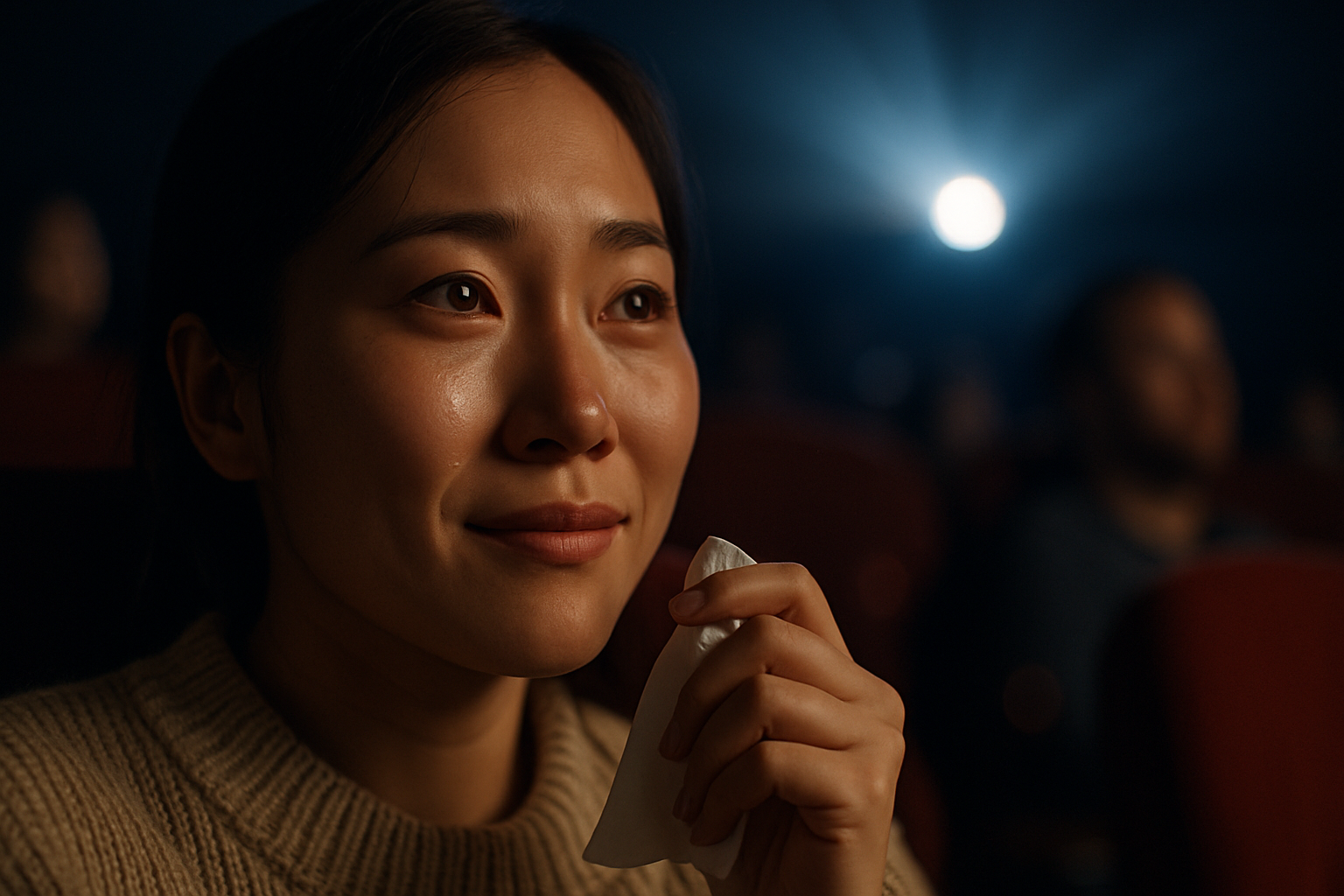
Have you ever found yourself tearing up during a movie, even if no one else around you seems to be as moved? Maybe you’ve been embarrassed about it, quickly wiping away tears so no one notices.
But here’s the truth: crying during movies isn’t a sign of weakness—it’s actually a sign of depth, sensitivity, and even strength.
Psychology suggests that people who cry during films often have more beautiful souls than most. Why? Let’s explore seven reasons that will make you see your tears in a whole new light.
1. You have high levels of empathy
At its core, crying during a movie shows that you’re deeply connected to the emotions of others—even if those “others” are fictional characters on a screen. When you cry for them, you’re not just sympathizing—you’re empathizing. You’re putting yourself in their shoes, feeling their struggles, joys, and losses as if they were your own. That level of empathy is rare and powerful.
Empathy is what allows us to build strong relationships, care for others, and be kinder humans. The fact that you can dissolve into tears during a touching scene shows just how deeply you’re wired to care.
2. You’re comfortable with your emotions
So many people go through life bottling up their feelings, hiding their tears, and pretending to be “strong” by staying stoic. But true strength isn’t about suppression—it’s about expression. If you cry during a movie, it means you’re comfortable enough to let your emotions flow, even in a vulnerable way.
This comfort with your emotional world makes you more authentic and relatable. People trust those who aren’t afraid to show their hearts, and your willingness to shed tears is a quiet but powerful form of courage.
3. You connect with universal truths
Movies aren’t just stories on a screen. At their best, they reflect universal truths about love, loss, sacrifice, family, and meaning. When you cry during a film, it often means you’ve touched something deeper than the story itself—you’ve touched the timeless realities of the human experience.
For example, when you see a character lose someone they love, it may remind you of your own struggles with grief. When a film portrays a reunion, it may awaken your own yearning for connection. These tears are not just about fiction; they’re about your soul resonating with the shared humanity that binds us all.
One of Buddhism’s most profound teachings is that suffering and joy are universal. When you feel so deeply that you cry during a movie, you’re in touch with this truth—that our lives are interwoven with both pain and beauty, and recognizing it makes you more compassionate and alive.
4. You appreciate beauty in all its forms
Crying doesn’t just come from sadness—it often arises from beauty. A stunning piece of music, a moving act of kindness, or a breathtaking ending can all bring tears to your eyes. This shows that you’re sensitive not only to pain, but also to the exquisite beauty of life.
Psychology calls this “aesthetic sensitivity”—the ability to be deeply moved by art, nature, or profound experiences. Far from being a weakness, it means your soul is tuned to notice the magic that others may overlook. You feel the world in high definition, and that’s a rare gift.
5. You’re emotionally intelligent
Emotional intelligence isn’t just about recognizing your feelings—it’s about understanding them, accepting them, and expressing them in healthy ways. Tears are often your body’s way of processing emotions too powerful to contain. If you allow yourself to cry during movies, it shows that you’re letting your emotional system flow naturally rather than blocking it up.
In fact, research suggests that crying can release stress and even boost your mood by releasing oxytocin and endorphins. In other words, your tears aren’t just emotional—they’re healing. That kind of intelligence—the ability to let yourself heal rather than suppress—is a marker of a truly wise soul.
6. You value connection over ego
When you cry during a movie, you’re dropping your guard. You’re not worried about looking “tough” or “cool.” You’re simply letting yourself connect with the story, the characters, and the emotions. This shows that you value connection more than ego, and that’s a beautiful thing.
So many of us live trapped in our egos, trying to appear invulnerable. But real depth comes from vulnerability. Your tears are evidence that you’re not hiding behind walls—you’re open to connection, which is the very foundation of meaningful relationships.
7. You remind us all of what it means to be human
At the end of the day, crying is a deeply human act. It bridges the gap between joy and sorrow, between fiction and reality. When you allow yourself to cry during a movie, you’re reminding yourself—and those around you—that it’s okay to feel, to care, to be moved.
In a world that often tells us to harden up, people like you are the gentle reminder that softness is strength. You bring a warmth and authenticity that makes life richer, not just for you but for everyone around you.
Final thoughts
If you cry during movies, never be ashamed. Your tears are proof that your soul is vibrant, empathetic, and beautifully human. They show that you’re in touch with yourself, with others, and with the shared human journey we all walk together.
In my own journey through mindfulness and Buddhism, I’ve come to see emotions not as distractions but as teachers.
So the next time you find yourself crying at a movie, smile through the tears. You’re not just reacting to a story—you’re living proof that your heart is alive and open. And in a world that desperately needs more kindness, compassion, and honesty, that is one of the most beautiful things a soul can offer.
