

The dark side of retirement few people likes to talk about (7 uncomfortable truths)

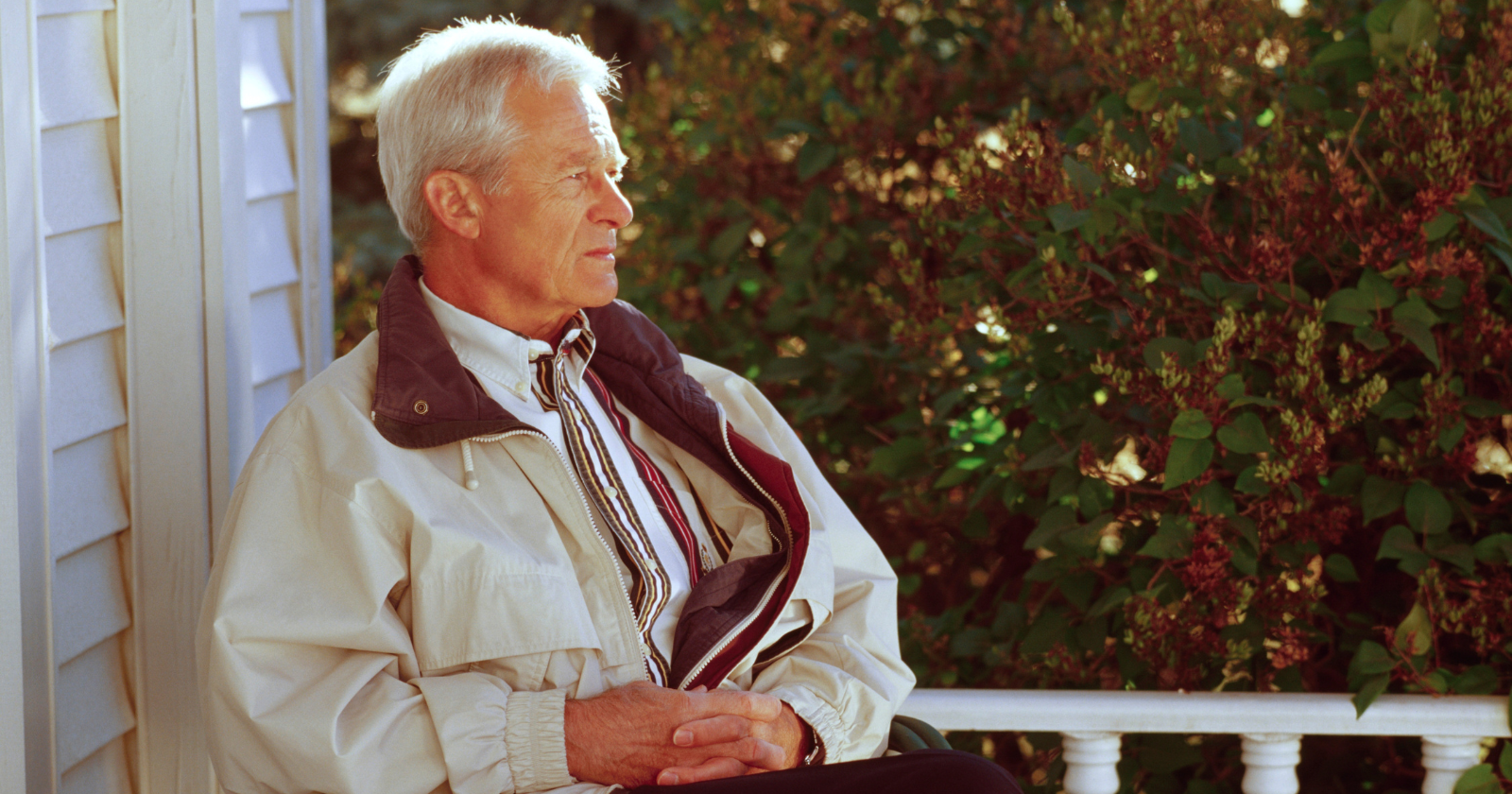
Most of us spend decades dreaming about retirement — the freedom, the travel, the peace.
We picture long mornings, relaxed afternoons, and finally having time to enjoy life on our own terms.
But the truth is, retirement isn’t always the paradise it’s made out to be.
For many, it’s a major emotional adjustment — one that can quietly trigger loneliness, loss of purpose, and even regret.
These are the sides of retirement most people don’t talk about — not because they’re rare, but because they’re uncomfortable.
Here are seven truths that reveal the darker side of retirement — and how to navigate them with awareness and grace.
1. The loss of identity hits harder than most expect
For decades, work gives you structure, purpose, and a sense of who you are.
Your title, your routine, even the people who rely on you — all of it shapes your identity.
When it’s suddenly gone, many retirees struggle with a quiet question: Who am I now?
Studies show that the loss of professional identity is one of the leading causes of depression in retirees.
Without that external framework, some feel invisible — as if their role in society has quietly vanished.
The antidote isn’t to replace work with constant busyness. It’s to rediscover meaning — through learning, volunteering, mentoring, or simply engaging in what makes you feel alive.
2. Too much free time can feel suffocating
At first, endless free time feels like a dream. No deadlines, no alarms, no meetings.
But after a few months, that same freedom can turn into restlessness.
Without structure, the days can blur together. You start to wonder if you’re wasting time — or if time is quietly slipping away from you.
The key is rhythm. Retirees who build a sense of flow — regular exercise, social connections, creative projects — report far higher levels of satisfaction than those who drift aimlessly.
Freedom is fulfilling only when it has direction.
3. Friendships can fade faster than you think
Many friendships are built on proximity — colleagues, neighbors, parents of your kids’ friends.
When you retire, those daily touchpoints disappear.
Without shared routines, contact often fades.
You might still “like” their posts on social media, but genuine connection becomes rare.
Loneliness among retirees is more common than most admit — and it’s not just emotional. Research links social isolation in older adults to higher risks of dementia, heart disease, and premature death.
The truth? You have to work at friendships now. Connection doesn’t happen by accident — it’s a conscious practice.
4. Money worries never fully disappear
Even those who’ve saved diligently can find themselves anxious about finances.
Inflation, market changes, and unexpected medical expenses can make even a strong nest egg feel fragile.
The real challenge isn’t just financial — it’s psychological.
After years of building and saving, shifting to spending can feel deeply uncomfortable.
Many retirees live far more cautiously than they need to, out of fear of running out.
Financial advisors call this the “scarcity mindset of retirement” — the fear that you’ll lose what you’ve built, even when the numbers say you’ll be fine.
True financial peace comes from balance — respecting what you’ve earned, but not letting fear keep you from living.
5. Relationships get tested in unexpected ways
Retirement changes the dynamic at home — sometimes for the better, sometimes not.
After decades of having separate routines, suddenly both partners are home all day.
Small irritations can grow. Old communication patterns resurface.
And in some cases, couples realize they’ve grown apart without noticing.
Psychologists even have a term for it: the “retirement divorce spike.”
Many relationships struggle not because of lack of love, but because the shared rhythm of life has changed overnight.
The solution isn’t avoidance — it’s redefinition.
Healthy couples create space within closeness — maintaining independence while learning to enjoy the slower pace together.
6. You realize that happiness requires more than freedom
Many people assume retirement equals happiness — but research paints a more complex picture.
Happiness often dips for the first few years after retirement before stabilizing.
Why? Because joy doesn’t come from escaping work — it comes from meaning, contribution, and growth.
The happiest retirees aren’t the ones who’ve escaped the grind — they’re the ones who’ve replaced it with purpose.
Whether it’s mentoring others, creating art, or nurturing family connections, fulfillment doesn’t retire when you do.
7. The awareness of mortality becomes sharper
Retirement often marks the beginning of life’s final chapter — and for many, that reality hits hard.
Without work to distract or define you, time feels more fragile.
You start measuring life differently — not by achievements, but by moments.
And sometimes, that awareness brings both gratitude and grief.
This stage can feel heavy, but it’s also profoundly clarifying.
When you stop chasing status and start cherishing presence, every day becomes more meaningful.
As Buddhist wisdom reminds us, “Awareness of death is the beginning of wisdom.”
The goal isn’t to fear the end — it’s to live more consciously while you can.
Final thoughts: The truth about retirement no one teaches you
Retirement isn’t just a financial milestone — it’s a psychological and spiritual transformation.
It’s not about stopping; it’s about shifting — from achievement to awareness, from doing to being.
The dark side of retirement isn’t failure — it’s the illusion that happiness will automatically arrive once work ends.
In reality, fulfillment takes as much intention at 65 as it did at 35.
The key is to replace purpose lost with meaning chosen.
Keep learning, keep connecting, keep giving — because purpose is what keeps the heart young, no matter the age.
Retirement is not the end of your story — it’s simply a new chapter that asks you to write differently, with wisdom instead of ambition.
And that, perhaps, is where true freedom begins.
