

People who can fall asleep anywhere, anytime have mastered these 9 life skills

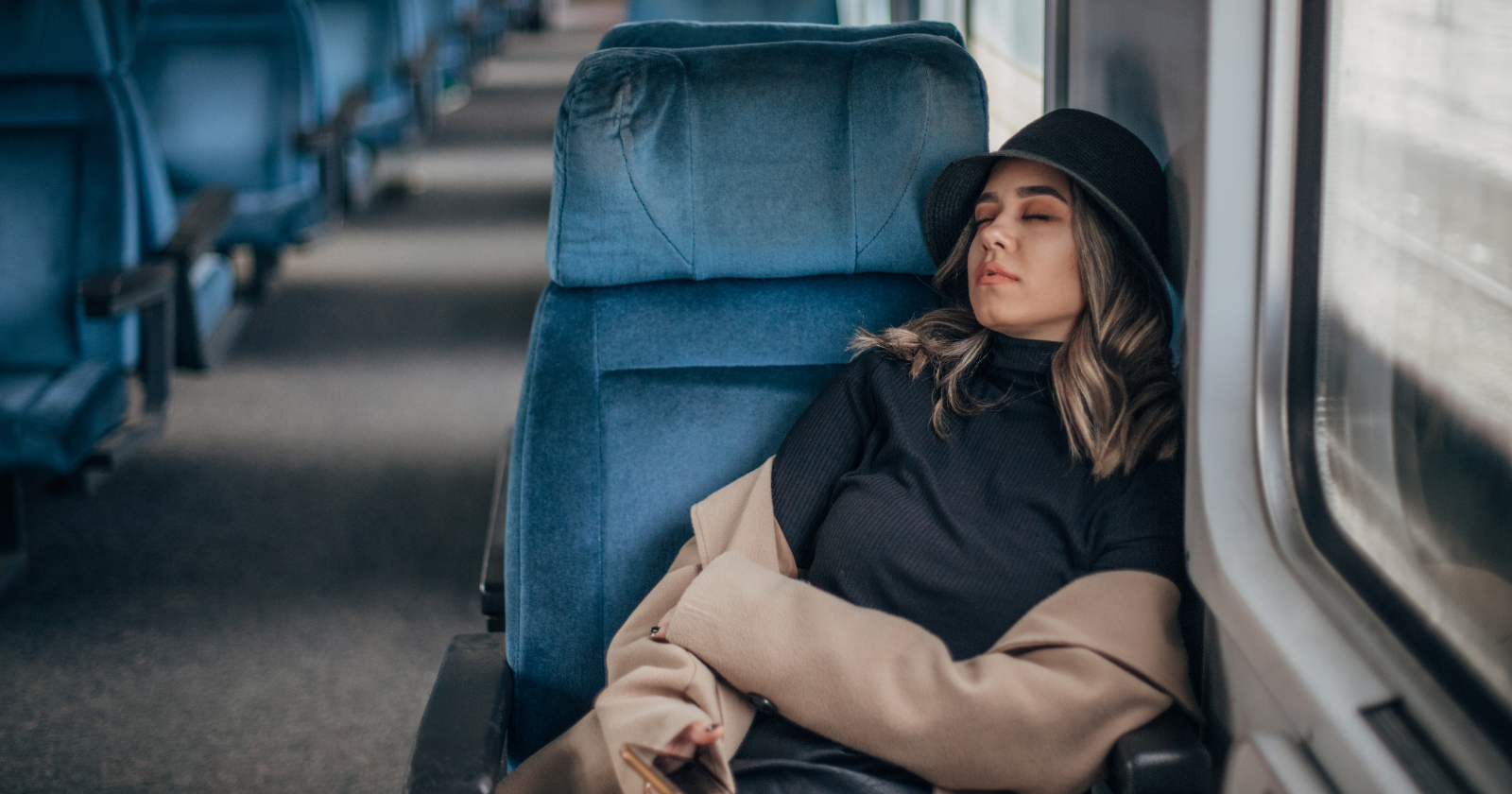
There’s an art to falling asleep anywhere, anytime.
It’s a skill that many of us wish we had, especially during those long, red-eye flights or mid-afternoon lulls at work. But, believe it or not, it’s not an inherent ability. It’s a life skill that can be learned.
I’ve discovered that those who’ve mastered the art of snoozing at will share some common habits.
In this piece, I will walk you through 9 life skills these sleep-maestros have mastered. And who knows? Maybe after reading this, you’ll be able to catch some z’s whenever and wherever you want too. Let’s dive in!
1) Mindfulness and relaxation
People who can nod off at the drop of a hat have mastered the art of being in the here and now. They’re not worrying about tomorrow’s meeting or dwelling on yesterday’s argument. They’re focused on the present moment, and that can be incredibly calming.
In fact, many of these sleep-anywhere individuals practice some form of mindfulness meditation. This helps them to calm their minds, slow their heart rates, and create an atmosphere conducive to sleep, no matter where they are.
But remember, mindfulness isn’t just about sitting in silence. It could be as simple as focusing on your breath or tuning into the sounds around you.
As renowned psychologist Dr. Jon Kabat-Zinn once said:
“Mindfulness is the aware, balanced acceptance of the present experience. It isn’t more complicated than that. It is opening to or receiving the present moment, pleasant or unpleasant, just as it is, without either clinging to it or rejecting it.”
2) Mastering the power nap
I vividly remember a time during a particularly gruelling book editing project when I found myself feeling mentally drained and physically exhausted. I had a deadline looming, but I knew I couldn’t push through with the quality of work I wanted to deliver.
So, I decided to take a power nap right at my desk, in the middle of the day. It was a game-changer for me.
Power naps are short, refreshing sleeps that don’t leave you feeling groggy afterwards. They’re something that people who can fall asleep anywhere have mastered. They understand the rejuvenating power of a quick twenty-minute snooze.
Incorporating power naps into your daily routine can boost your energy levels, improve your memory and enhance productivity. It’s not about sleeping for long hours; it’s about sleeping smart.
3) Embracing a minimalistic lifestyle
People who can fall asleep anywhere, anytime often lead a minimalistic lifestyle. They’ve learned to let go of the unnecessary clutter, both physically and mentally, allowing them to carry less baggage and sleep more soundly.
These individuals understand the value of less is more. They surround themselves with only what they need, cutting down on distractions and stressors.
This approach extends to their mental wellbeing too. They practice letting go of unnecessary worries, resentment, or negative thoughts, making it easier for them to relax and fall asleep at a moment’s notice.
As acclaimed psychologist Carl Jung once said: “Your visions will become clear only when you can look into your own heart. Who looks outside, dreams; who looks inside, awakes.” This is a philosophy that these sleep-anywhere individuals truly embody.
4) Implementing a consistent sleep schedule
Sleep science is a field that’s been gaining a lot of attention in recent years, and for a good reason. Studies have shown that one of the keys to falling asleep quickly and easily is maintaining a consistent sleep schedule.
Our bodies operate on a 24-hour cycle known as the circadian rhythm. T
his internal clock regulates when we feel awake and when we feel sleepy. People who can fall asleep anywhere, anytime have mastered the art of aligning their sleep patterns with their circadian rhythms.
By going to bed and waking up at the same time every day, these individuals train their bodies to expect sleep at certain times. This makes it much easier for them to fall asleep quickly, no matter where they are.
So, if you aspire to fall asleep anywhere, anytime, remember – consistency is key.
5) Practicing good sleep hygiene
Good sleep hygiene is another essential skill that people who can fall asleep anywhere, anytime have mastered. Sleep hygiene refers to the habits and practices that are conducive to sleeping well on a regular basis.
These individuals avoid caffeine and heavy meals close to bedtime, keep their sleeping environments dark and cool, and use their beds for sleep and sex only – not for work or watching TV.
They understand that these seemingly small habits can significantly improve the quality of their sleep.
In addition, they also pay attention to their pre-sleep routines. They might read a book, listen to calming music, or practice deep breathing exercises to relax their minds and signal to their bodies that it’s time to sleep.
By practicing good sleep hygiene, these individuals ensure they’re giving their bodies the best chance at restful, restorative sleep, anywhere, anytime.
6) Staying active during the day
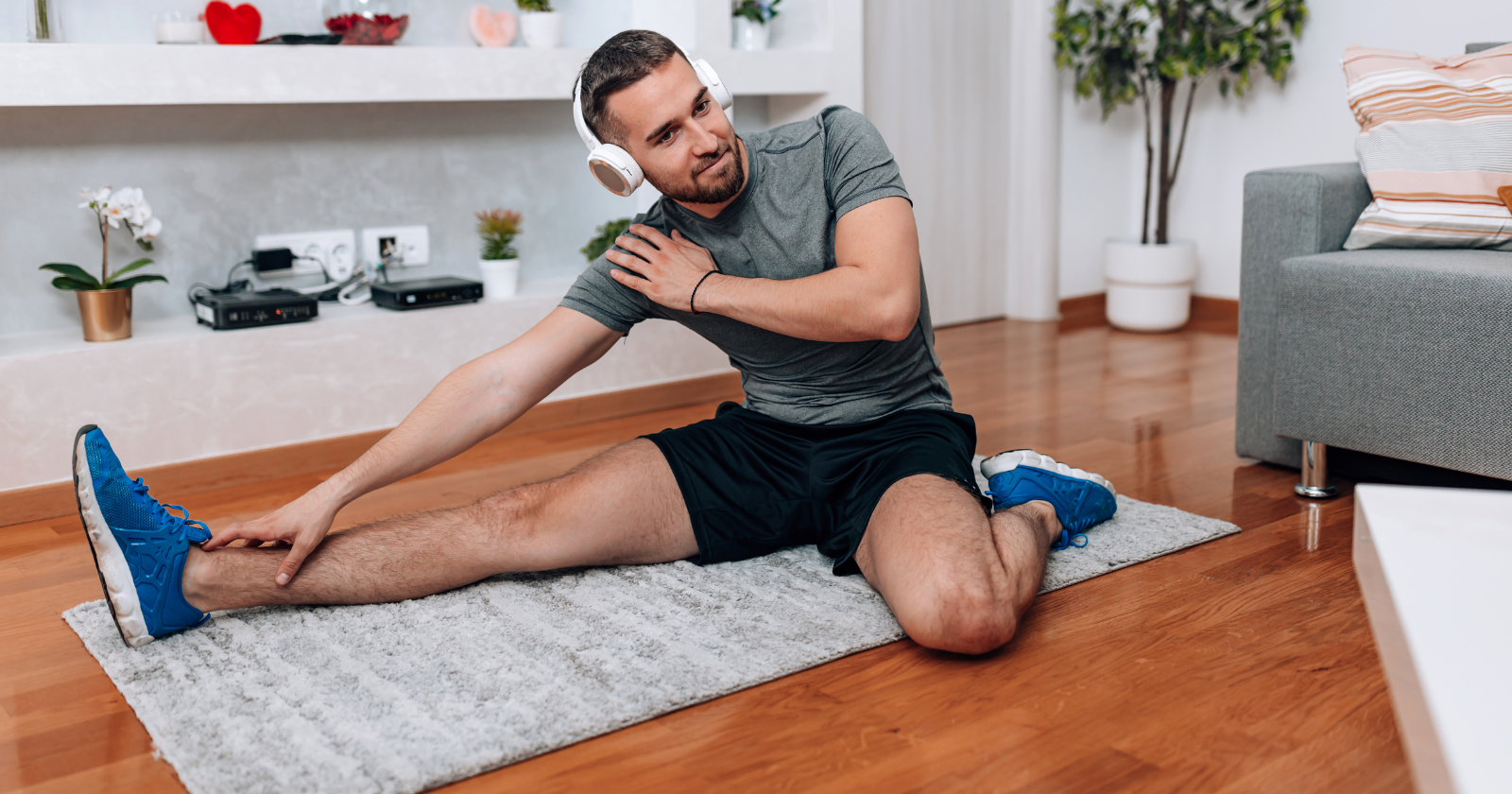
It might seem counterintuitive, but people who can fall asleep anywhere, anytime, aren’t just good at sleeping – they’re also exceptionally good at staying active during their waking hours.
These individuals understand the value of physical activity and how it contributes to better sleep. Regular exercise can help reduce anxiety and depressive symptoms, both of which can interfere with sleep.
Additionally, physical activity makes you physically tired, making it easier to fall asleep.
But here’s the kicker: these sleep-anywhere individuals don’t necessarily hit the gym for hours every day. Instead, they incorporate movement into their daily routines in small but significant ways.
It could be as simple as taking the stairs instead of the elevator, walking during lunch breaks, or even doing yoga stretches while waiting for the kettle to boil.
Paradoxical as it may seem, staying active during the day could be your ticket to falling asleep quickly and easily at night, no matter where you are.
7) Embracing the power of visualization
Visualization is a powerful tool that can do wonders for our ability to fall asleep anywhere, anytime. It involves creating a mental image of a calming and peaceful place or situation.
There’s a special spot by the lake near my home, with a lone willow tree providing shade on sunny days. The gentle lapping of the water against the shore and the soft rustling of the willow leaves create a symphony of nature that never fails to put my mind at ease.
When I’m struggling to fall asleep, I transport myself to this spot by the lake. I visualize every detail – the smell of fresh earth, the cool breeze against my skin, the sound of distant bird calls.
By doing this, I create a sense of tranquility that allows me to disconnect from my immediate surroundings and drift off to sleep.
Visualization changes our awareness, shifting our focus from our immediate environment to a place of peace and calm within our minds, aiding in restful sleep.
8) Limiting exposure to screens before bedtime
In our modern world, screens are everywhere – televisions, computers, smartphones, tablets. While these devices have their benefits, they can also interfere with our ability to fall asleep quickly and easily.
Blue light emitted by these screens can inhibit the production of melatonin, the hormone that regulates our sleep-wake cycle. This can make it harder for us to fall asleep, especially in unfamiliar environments.
People who can fall asleep anywhere, anytime are aware of this and make a conscious effort to limit their screen time in the hours leading up to bedtime. Instead of scrolling through social media or watching TV, they might choose to read a book, listen to music, or practice relaxation exercises.
By limiting exposure to screens before bedtime, these individuals signal to their brains that it’s time to wind down and sleep.
In conclusion: It’s a learned art
The ability to fall asleep anywhere, anytime is not just a random trait that some lucky individuals possess. It’s a learned art, deeply linked with our lifestyle choices, habits, and mindset.
These skills are not exclusive to a select few.
They can be adopted by anyone willing to make some changes to their routine and approach towards sleep. It’s about understanding your body, respecting your circadian rhythm, and creating an environment conducive to sleep, both externally and internally.
And remember, as you embark on this journey of mastering the art of falling asleep anywhere, anytime – it’s not about perfection. It’s about progress. Because at the end of the day (quite literally), it all boils down to giving your body what it needs – restful, restorative sleep.
As renowned psychologist Carl Rogers once said: “The good life is a process, not a state of being. It is a direction not a destination.” And so it is with sleep – it’s not just about the destination (falling asleep), but also about the journey (how you get there).
