

7 signs that what looks like comfortable independence in retirement is actually the slow withdrawal that loneliness researchers now link to a fifty percent increased risk of dementia

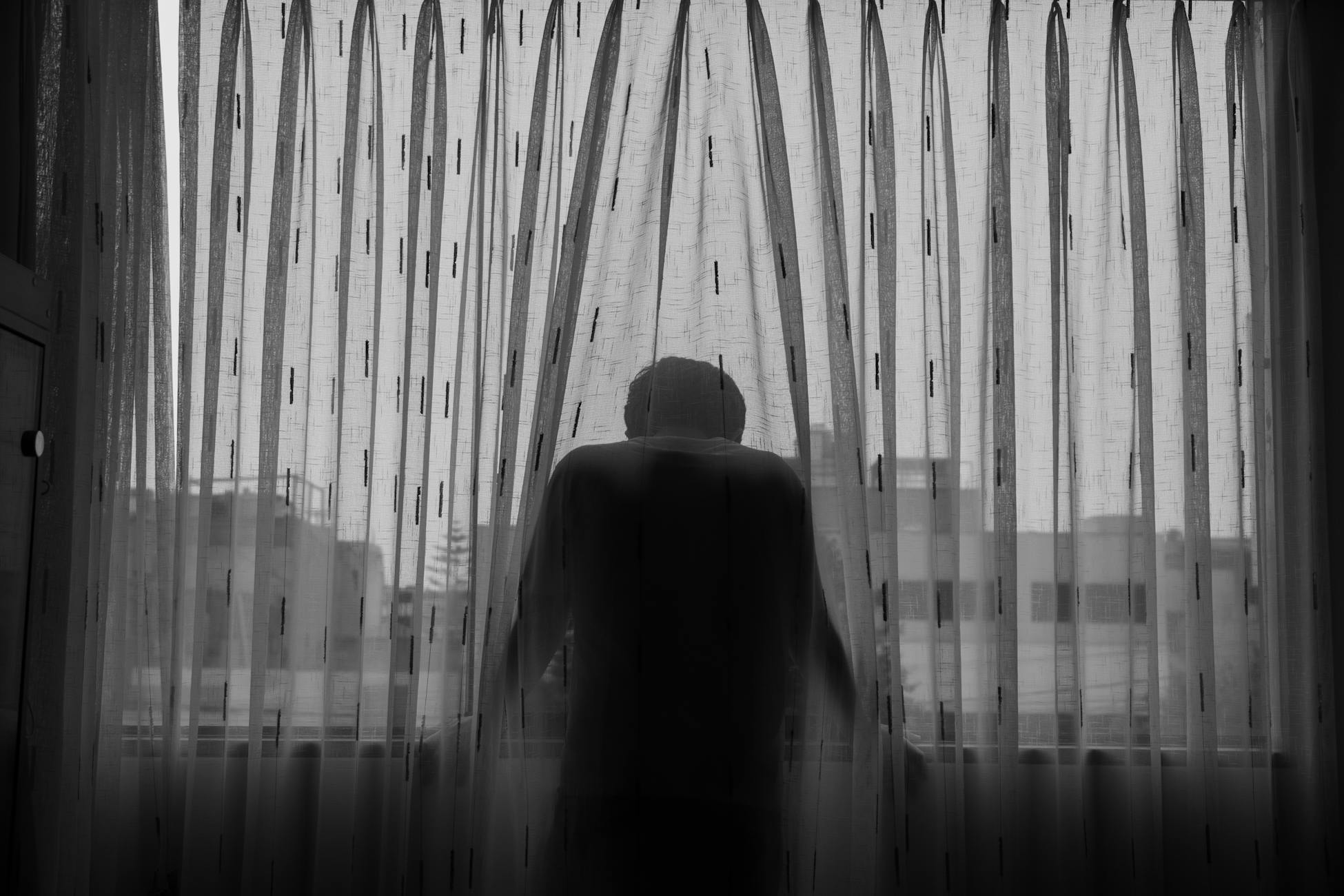
Comfortable independence in retirement is one of the most effective disguises loneliness has ever worn. It looks like someone who has their life together — quiet mornings, a tidy garden, books stacked on the nightstand, no need to bother anyone. And because we live in a culture that celebrates self-sufficiency and dreads being a burden, nobody questions it. We admire it. We aspire to it.
The conventional wisdom says that a retired person who can manage their own affairs, fill their own hours, and keep themselves occupied has won the game. Independence equals thriving. The more you can do alone, the better off you are.
But loneliness researchers are now telling a different story. What we’ve been calling independence often masks a progressive social withdrawal — one so gradual the person experiencing it barely registers the shift. And the health consequences are staggering. Research out of Case Western Reserve University has reinforced growing concerns about chronic loneliness and isolation as a public health crisis, with cognitive decline sitting squarely among the casualties. Studies have found that sustained social isolation is associated with increased dementia risk, placing it alongside smoking and physical inactivity as a modifiable risk factor.
That number deserves to sit with you for a moment. Fifty percent.
Not from genetics. Not from a head injury. From being alone too much and too quietly for too long.
I’ve watched this unfold among peers and friends over the past several years. The ones who worry me aren’t the people who complain about being lonely. Those people at least recognise the gap. The ones who worry me are the ones who insist, with genuine conviction, that they’re doing fine. Because often they are doing fine — by every visible measure. And yet something essential is atrophying.
Here are seven signs that what looks like comfortable independence may actually be that slow, quiet withdrawal.
1. You’ve replaced reciprocal relationships with service transactions
Your days involve people — the pharmacist, the barista, the woman at the post office. You exchange pleasantries. You know each other’s names. And you count these interactions as social contact.
They’re not. Not in the way your brain needs them to be. The brain’s social architecture responds to reciprocal connection — the kind where someone genuinely cares about your answer when they ask how you are. Service transactions satisfy politeness. They don’t satisfy the neural circuitry that keeps your prefrontal cortex engaged and your sense of identity stable.
If the only people you talk to in a given week are people who are paid to be there, that’s data worth noticing.
2. You’ve stopped being inconvenient to anyone
You don’t ask for rides. You don’t call people just to talk. You don’t suggest plans because you don’t want to impose. You’ve become so skilled at not needing anyone that the people around you have stopped offering.
This feels like dignity. It functions like disappearance.
Real connection requires a willingness to need someone, and to let them need you back. When that willingness evaporates — when you’ve decided that the highest virtue is never asking — you’ve essentially told your social world that you’re closed for business. Most people will respect that boundary. They’ll stop calling. And you’ll interpret their silence as confirmation that you were right to stop asking.
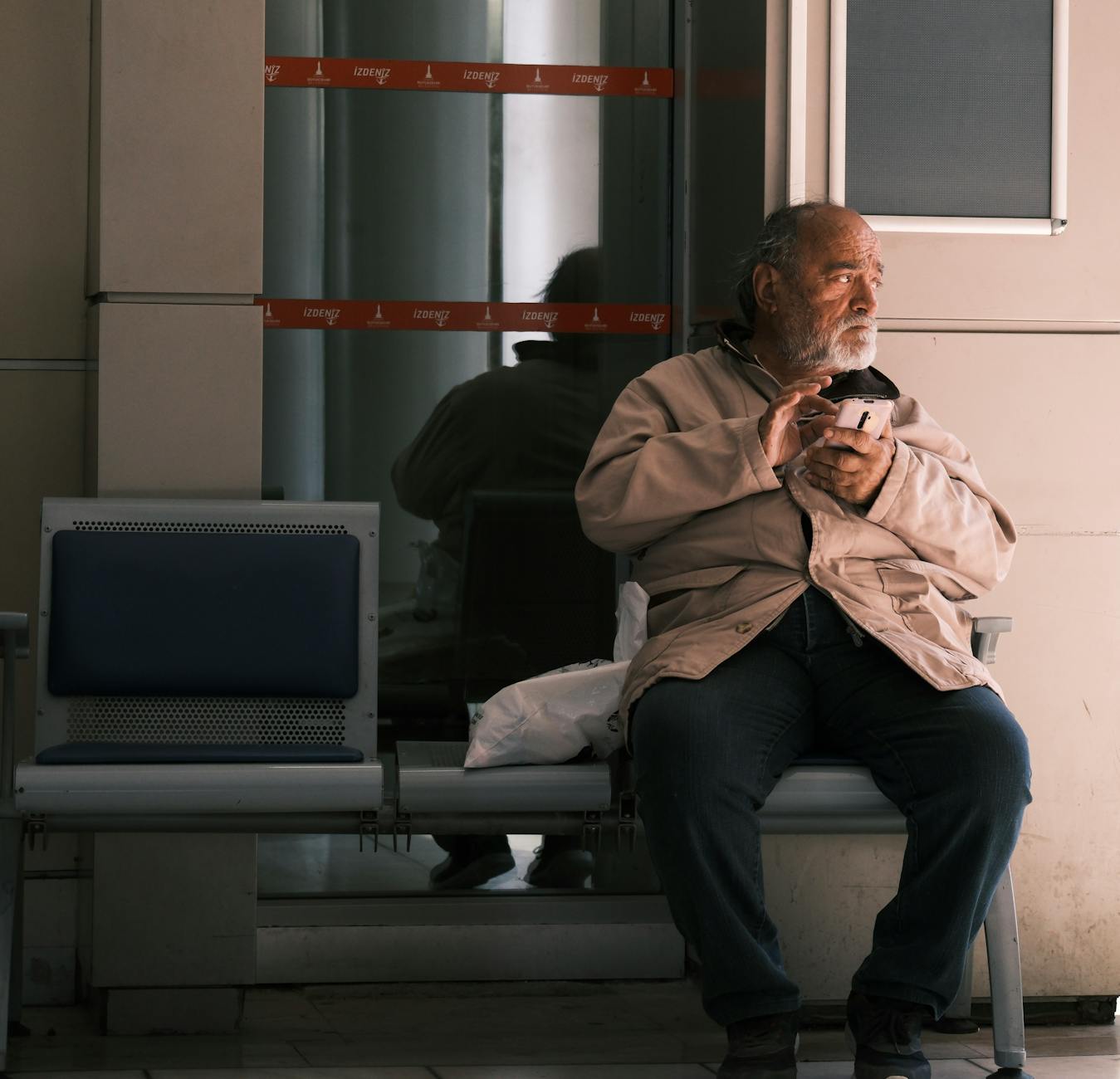
3. Your calendar has structure but no unpredictability
Monday is groceries. Wednesday is the library. Friday is a walk. The routine is a well-oiled machine, and you feel a small pride in how smoothly it runs.
But nothing in it surprises you. No one disrupts it. No friend cancels and reschedules. No invitation arrives that requires you to rearrange something. Your week has the precision of a closed system.
The brain stays cognitively flexible partly through social unpredictability — the mild challenge of adjusting to another person’s mood, schedule, ideas. Loneliness correlates with measurable memory deficits in older adults. Part of what keeps memory sharp is the cognitive load of navigating other people. A perfectly predictable routine, for all its comfort, eliminates that load entirely.
I’ve written before about how changing your mind is one of the most underrated cognitive exercises available. Social contact is often what forces that change. Without it, your thinking calcifies — not because you’re intellectually lazy, but because nothing is pressing against it.
4. You describe yourself as someone who doesn’t need much
This phrase. I hear it constantly from people in their sixties and seventies, often said with a quiet satisfaction, as though they’ve evolved past something lesser mortals still struggle with.
Sometimes it’s true. Some people genuinely have a low social threshold and recharge in solitude. But for many, claiming not to need much is actually a way of saying they’ve given up expecting anything. The desire for connection hasn’t died — it’s been buried under years of small disappointments, unreturned calls, friendships that drifted, and a cultural message that says older people, especially older women, should be grateful for what they have and stop wanting more.
The brain doesn’t stop needing social input because you’ve decided it should. It still registers social exclusion and social absence in ways that reshape mood, cognition, and physical health over time. Telling yourself you don’t need people is a cognitive strategy, not a biological fact.
5. You’ve become the one who always declines
Invitations arrive — from family, from old colleagues, from neighbours — and you decline them. Not rudely. Always with a reasonable excuse. You’re tired. You’re busy. You’ve already got plans. The weather’s not great for driving.
Each individual decline is perfectly rational. The pattern, viewed over six or twelve months, tells a story of steady retreat.
Here’s what makes this sign particularly insidious: people stop inviting you. Not because they don’t care, but because consistent rejection trains people to stop reaching out. After a while, the absence of invitations feels like evidence that nobody wants you there — when the reality is that you taught them not to ask.
There’s a specific loneliness that belongs to retirement — the loneliness of having all the time in the world and no one expecting you anywhere. Declining invitations accelerates it.

6. You talk about the past more than the present
Your best stories are old stories. The people you describe with the most animation are people you used to know. When someone asks what you’ve been up to, you reach backwards — to the career, the travels, the years when things were happening.
Reminiscence has real value. Nobody’s arguing against memory and meaning-making. But when your entire narrative identity lives in the past tense, it signals that the present isn’t generating enough material to talk about. And more specifically, that you don’t have people in your current life who are creating new shared experiences with you.
Social interaction is the single richest source of novel experience available to most retirees — richer than travel, richer than hobbies, because other people are endlessly unpredictable. Without it, the present becomes thinner and thinner, and the past grows louder by comparison.
I’ve been fascinated by why so many of us believe we need someone’s permission to keep contributing and mattering. The hardest conversation in retirement is the one about identity, and retreating into past-tense storytelling is one way people avoid having it.
7. Your physical health has become your primary relationship
You track your blood pressure. You research supplements. You attend every appointment. You monitor symptoms with extraordinary vigilance. Health management has become the organising principle of your daily life.
For some, this reflects genuine medical necessity. But for a growing number of isolated retirees, health becomes the socially acceptable reason to stay home, the acceptable topic of conversation, and the acceptable arena of control. When your body is the only thing left that demands your attention, you give it everything you’ve got.
I explore this pattern more deeply in a video I made about the retirement fear no one talks about—because I’ve seen too many people realize too late that they needed to build their social infrastructure before they actually stopped working. It’s one of those conversations we avoid until we’re already in it, which is exactly why I wanted to address it head-on.

The irony cuts deep. Recent research has linked loneliness to increased risk of degenerative heart valve disease, independent of traditional risk factors and genetics. The very isolation that drives people to hyper-focus on their health is simultaneously degrading it. And the dementia risk associated with prolonged social withdrawal means that all those crossword puzzles and brain-training apps are fighting against a current that social connection could reverse far more effectively.
The withdrawal nobody names
What makes these seven signs so dangerous is that every one of them looks reasonable from the inside. Each one carries the texture of a choice — I prefer quiet. I value my independence. I don’t like crowds anymore. And in a culture that prizes autonomy, nobody pushes back.
But the brain doesn’t care about your narrative. The neural circuits that regulate inflammation, memory consolidation, and executive function are calibrated for social engagement. When that engagement drops below a certain threshold — and it’s different for everyone — the decline begins. Slowly. Invisibly. By the time it becomes visible, years have passed.
Research on retirees who move abroad has found that even people who actively chose a beautiful new life in a warmer, less expensive country face elevated loneliness risks. The external circumstances looked ideal. The social architecture underneath had been gutted. Geography changed; the need for human connection didn’t.
I’ve watched peers shut down and peers light up in retirement, and the difference between them almost never tracks with money or health or circumstance. It tracks with whether they’ve maintained — or rebuilt — relationships where they are known. Where someone notices when they go quiet. Where a three-day absence triggers a phone call, not a shrug.
That’s the infrastructure that protects against cognitive decline. Not puzzles. Not supplements. People who are genuinely glad to see you.
If you recognised yourself in any of these seven signs, the response that matters is small and immediate. Call someone. Accept an invitation. Say yes to the thing you were about to decline. The brain’s social circuitry is remarkably responsive to re-engagement, even after long periods of withdrawal. Neuroplasticity doesn’t expire at sixty-five.
But the window does narrow. And the disguise of comfortable independence gets more convincing with every passing month. What starts as a preference for quiet becomes a habit, and what becomes a habit eventually hardens into an identity — one that feels chosen but was really constructed, brick by brick, from the small daily decisions to stay home, stay silent, stay safe.
The good news is that the same process works in reverse. One phone call becomes two. One accepted invitation leads to another. One honest conversation — “I think I’ve been more isolated than I realised” — can crack the whole thing open. You don’t need to overhaul your life. You need to let one person back in.
I built Your Retirement Your Way after noticing how many people were unknowingly designing retirements that looked independent on the surface but lacked the meaningful connection our brains actually need to stay healthy.
If you’re navigating this transition and want a framework for building the kind of retirement that keeps you connected and cognitively alive, I put together a free guide — Thrive In Your Retirement — that addresses exactly this territory. Because thriving and withdrawing can look identical from the outside. The difference is whether anyone is close enough to tell.