

If someone grew up poor but with dignity, they still do these 6 things that money never taught


Growing up poor is one thing. Growing up poor with dignity is something else entirely.
I’ve met people who didn’t have much in their childhood, sometimes nothing at all, yet they carried themselves with a quiet strength that money cannot manufacture.
It is the kind of strength that comes from knowing hardship intimately while refusing to let it steal your self-respect.
And here is the part that always strikes me.
Even when these people eventually make money or build a comfortable life, they still do certain things that reflect where they came from and who they chose to be despite it.
Let’s break down the six habits I see over and over again.
1) They treat everyone with the same level of respect
When you grow up without money, you see the world from angles most people never consider.
You notice how people treat the cleaner compared to the CEO. You watch how kindness sometimes depends on status. You learn early that respect, real respect, has nothing to do with a bank account.
People who grew up poor but held onto their dignity tend to carry an unspoken rule into adulthood: everyone deserves to be treated well.
They do not talk down to waiters. They do not act superior. They do not size people up based on labels or job titles.
When you have not always had value in society’s eyes, you learn not to judge someone else’s.
That is the kind of understanding poverty can teach and money cannot.
2) They never waste food or anything, really
If there is one universal trait among people who grew up poor, it is this: they do not waste things.
Food especially.
I knew someone who grew up in a tiny rural town where meals were not guaranteed. Years later, when he could afford anything he wanted, he still ate every grain of rice on his plate.
Not because he had to but because he remembered what it felt like to be hungry.
People who grew up poor often hold onto an appreciation for resources that never fades. They save leftovers. They reuse containers. They keep clothes a little longer.
It is not about frugality. It is about gratitude.
Money can buy abundance, but it will never erase the part of you that remembers scarcity.
And honestly, that memory is a gift. It keeps people grounded, aware and grateful for what they have instead of constantly chasing more.
3) They are unbelievably resourceful
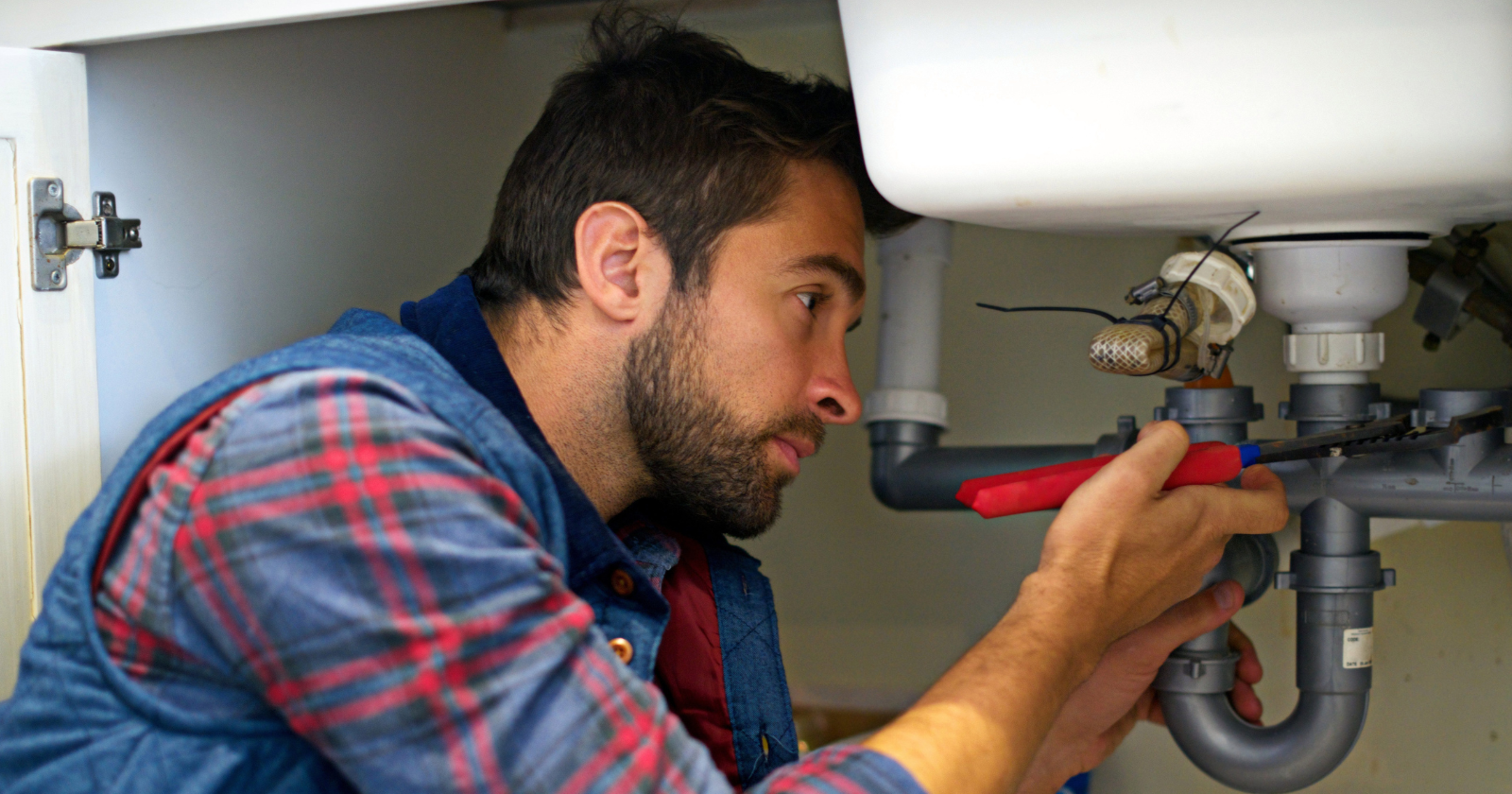
Have you ever noticed that people who grew up poor seem to have a knack for figuring things out?
They can fix things with whatever tools are lying around. They know how to stretch a dollar into five. They can solve problems using creativity instead of cash.
Why? Because they had to.
When money is not an option, you learn to think differently. You learn to get scrappy. You learn to find a way, not because it is impressive but because it is survival.
Even when they become comfortable later in life, this mindset does not disappear. It becomes a quiet superpower.
Resourcefulness is one of those life skills no school teaches and no bank balance provides. It is earned through lived experience.
And people who grew up poor but with dignity carry this ability proudly, not as a reminder of struggle but as evidence of resilience.
4) They appreciate small things other people overlook
There is a Buddhist idea that says:
A person who has suffered deeply will appreciate simple joys more intensely.
When someone grows up with limited comfort, tiny pleasures hit differently.
A warm meal. A day without stress. A comfortable bed. A quiet morning. A genuine compliment. A walk in a safe neighborhood.
These things are not small. They are meaningful.
I have talked about this before, but the happiest people I have met were not always the wealthiest. They were the ones who paid attention to the little details of life that most people speed past.
Growing up poor gives you an appreciation for life’s subtle luxuries, the kind of things people with comfortable upbringings often take for granted.
And here is the twist. This gratitude tends to make them far happier in adulthood than people who had everything given to them.
Happiness is not about getting more. It is about noticing more.
5) They help others without boasting about it
People who grew up poor but stayed rooted in dignity often learned generosity in its purest form.
When you have seen what it is like to struggle, your empathy becomes sharper.
You do not forget what it felt like to need help. And because of that, you are more likely to offer a hand to someone else, quietly and without expectation.
I have noticed that many of these individuals:
- Pay for someone’s meal discreetly
- Offer support without expecting praise
- Give what they can, even if it is not much
- Listen deeply when someone is going through a hard time
It is compassion shaped by memory.
And here is the key difference. They help without turning it into a performance.
Some people signal their generosity like it is a marketing campaign. But the ones who grew up poor help because they understand the feeling firsthand. Not because they want applause.
Real generosity is quiet. Sometimes you never even know where it came from.
6) They do not equate self-worth with material success
This might be the biggest one.
When someone has lived through poverty, they learn early that their value as a person cannot depend on possessions. If it did, they would feel worthless.
To survive emotionally, they had to separate who they are from what they have.
This gives them a kind of emotional resilience many people never develop.
As adults, even if they become wealthy or successful, their sense of identity stays anchored in something deeper:
- Their character
- Their work ethic
- Their values
- Their relationships
- Their dignity
Money becomes a tool, not a measuring stick.
Ironically, this mindset often makes them more stable, less anxious and far less likely to fall into the endless comparison traps that define modern life.
When your worth does not swing up and down with your bank balance, you live with a quieter kind of confidence. It is not flashy. It is not loud. But it is unshakeable.
Final words
Growing up poor with dignity can shape a person in ways wealth never could.
It builds humility. It builds strength. It builds perspective. It teaches lessons that stay with you for life.
Money can change your lifestyle, but it does not change the core habits you developed when you had nothing but your integrity.
If you recognize yourself in any of these points, do not downplay it. These are not just habits. They are signs of character shaped under pressure.
And truthfully, they are qualities many people with all the money in the world would trade for.
