

People who can sit in complete silence without reaching for their phone usually share these 8 qualities

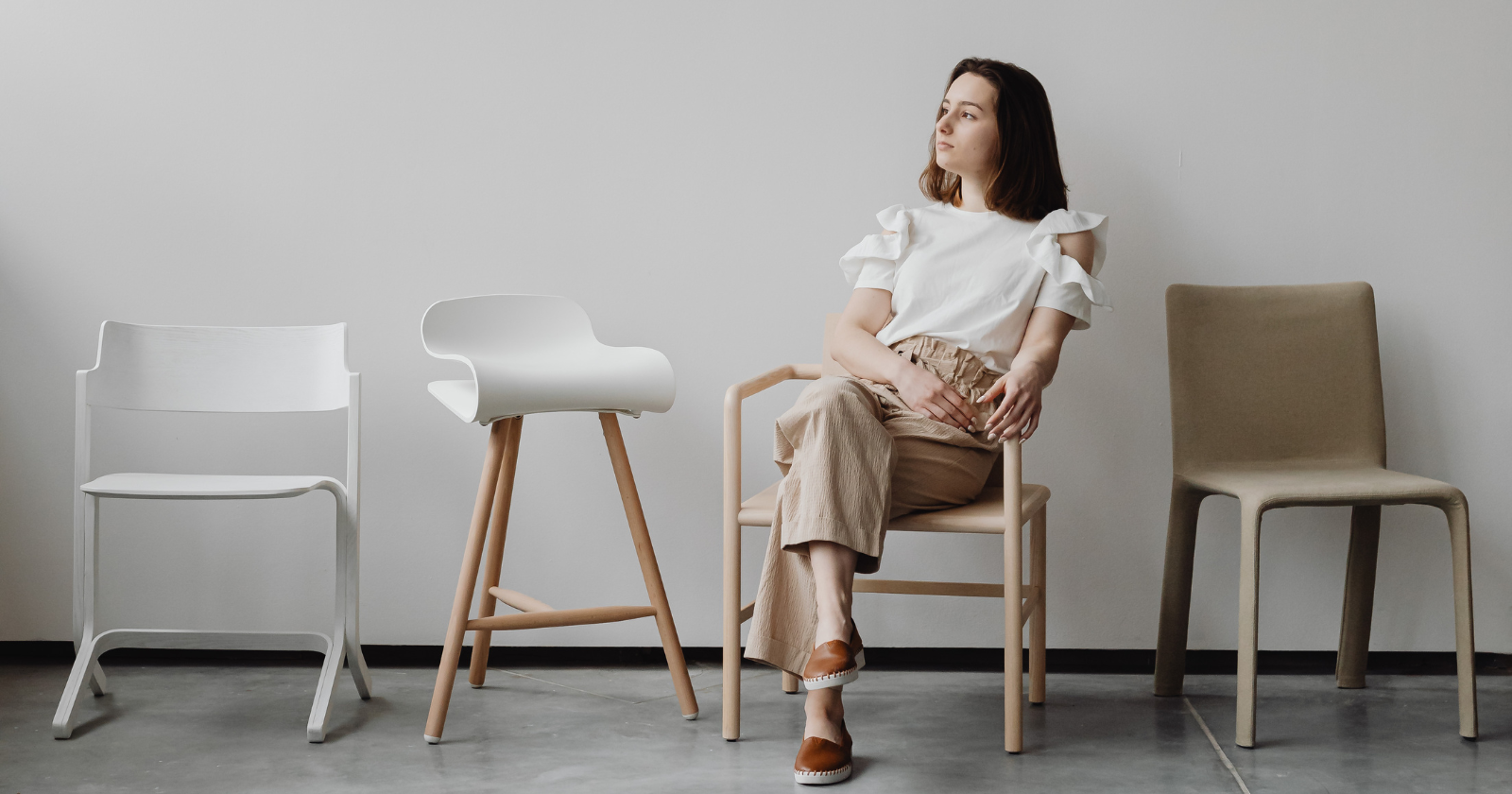
Ever tried sitting alone for ten minutes without reaching for your phone?
No music, no scrolling, no distractions.
Just you and the silence.
If that sounds like torture, you’re not alone.
Most of us have become so accustomed to constant stimulation that silence feels uncomfortable, even threatening.
We’ve trained ourselves to fill every quiet moment with a quick scroll, a podcast, or a message check.
But there’s a small group of people who can sit comfortably in complete silence without that familiar itch to grab their device.
They’re not monks or hermits.
They’re regular people who’ve developed certain qualities that make them comfortable with their own thoughts and the present moment.
I wasn’t always one of them.
Growing up as the quieter brother, I was naturally more observant, but that didn’t mean I was comfortable with true silence.
It took years of practice and some humbling realizations to get here.
What I’ve discovered is that people who can embrace silence without their phones tend to share these eight distinct qualities.
1) They’ve developed genuine self-awareness
Here’s something most people won’t admit: we use our phones to escape ourselves.
That constant stream of content keeps us from sitting with uncomfortable thoughts or feelings.
But people who can handle silence have learned to face themselves honestly.
They know their triggers, their patterns, their strengths and weaknesses.
They’ve spent time examining their thoughts without judgment, which means silence doesn’t scare them anymore.
During my warehouse days, I started using my breaks differently.
Instead of mindlessly scrolling, I’d sit with my thoughts.
It was uncomfortable at first. Really uncomfortable.
But gradually, I started understanding myself better than ever before.
Self-awareness isn’t about being perfect or having everything figured out.
It’s about being honest with yourself about where you are and who you are, without needing constant distraction to avoid that reality.
2) They understand the value of boredom
When did boredom become the enemy?
We’ve reached a point where we’d rather watch a video we don’t care about than sit with a moment of nothing.
But boredom is actually incredibly valuable.
It’s where creativity happens, where problems get solved, where your mind makes unexpected connections.
People who can sit without their phones see boredom differently.
They recognize it as mental breathing room, a chance for their thoughts to wander and explore.
They know that some of their best ideas come when they’re doing absolutely nothing.
3) They practice presence naturally
You know those people who seem fully engaged in conversations?
Who notice the small details others miss?
They’re usually the same ones who don’t panic when separated from their phones.
Presence is like a muscle.
The more you practice being where you are, the stronger it gets.
I learned this firsthand in Vietnam, observing the café culture there.
People sit for hours, just being present with their coffee, watching life unfold around them.
No rush, no constant phone checking. Just being.
When you can sit in silence, you’re essentially saying “this moment is enough.”
You’re not constantly seeking the next dopamine hit or the next piece of information.
You’re content with what’s happening right now.
4) They have strong internal validation
How many times do you check your phone for likes, messages, or any form of external validation?
We’ve become addicted to these little hits of approval.
People comfortable with silence have broken this cycle.
They don’t need constant reassurance from others because they’ve developed a strong sense of self-worth that comes from within.
This doesn’t mean they don’t care about others or value relationships.
It means their sense of value doesn’t fluctuate based on their notification count.
They’ve learned to trust their own judgment and find satisfaction in their thoughts and experiences, regardless of whether anyone else knows about them.
5) They’ve cultivated deep focus
The ability to concentrate deeply is becoming a superpower in our distracted world.
And guess what? People who can sit quietly without their phones usually have this in spades.
They can read for hours, work on projects without constant breaks, and engage in deep thinking without feeling antsy.
My daily meditation practice varies wildly.
Sometimes it’s five minutes, sometimes thirty.
But regardless of the length, it’s trained my mind to focus on one thing without constantly seeking stimulation.
This deep focus extends beyond meditation.
It shows up in work, in relationships, in every aspect of life.
When you’re not constantly reaching for distraction, you can actually immerse yourself in what you’re doing.
6) They maintain emotional equilibrium
Have you noticed how your mood can swing based on what you see on your phone?
A negative news story, a comparison-triggering post, an upsetting message, and suddenly your whole day shifts.
People who can sit without their phones have developed emotional stability that doesn’t depend on external input.
They’ve learned to process their emotions internally rather than constantly seeking distraction from them.
Buddhist philosophy teaches that our suffering often comes from our constant reactions to external stimuli.
When you can sit with yourself, you break this reactive cycle.
7) They value quality over quantity in relationships
People who don’t need constant phone stimulation often have fewer but deeper relationships.
They’re the friends who actually listen, who remember details, who show up fully when they’re with you.
They understand that real connection happens in the spaces between words, in the comfortable silences, in the moments of just being together.
They don’t need to document every experience or share every thought.
They can enjoy moments privately, which paradoxically makes them better at sharing meaningful moments with others.
8) They possess genuine confidence
There’s something quietly confident about someone who can sit alone without entertainment.
They’re comfortable in their own skin, with their own thoughts, in their own company.
This isn’t the loud, performative confidence we see on social media.
It’s deeper and quieter. I
t’s the confidence of someone who doesn’t need constant external input to feel okay about themselves.
I take regular technology breaks now.
Not because I hate technology, but because I’ve learned that stepping away makes me appreciate both the connected and disconnected parts of life more fully.
Final words
The ability to sit in silence without reaching for your phone isn’t about being antisocial or rejecting technology.
It’s about developing a relationship with yourself that’s strong enough to withstand a few moments of quiet.
These eight qualities aren’t exclusive to some special group of people.
They’re accessible to anyone willing to practice, to sit with discomfort, to gradually build their tolerance for their own company.
Start small.
Try sitting for just two minutes without any stimulation.
Notice the urge to reach for your phone without acting on it.
Build from there.
Because in a world that’s constantly demanding your attention, the ability to be alone with yourself isn’t just a nice skill to have.
It’s becoming essential for mental health, creativity, and genuine human connection.
The question isn’t whether you can live without your phone.
It’s whether you can live with yourself.
And that’s a question worth sitting with.
