

10 quirky habits budget airline passengers have that drive fellow travelers crazy

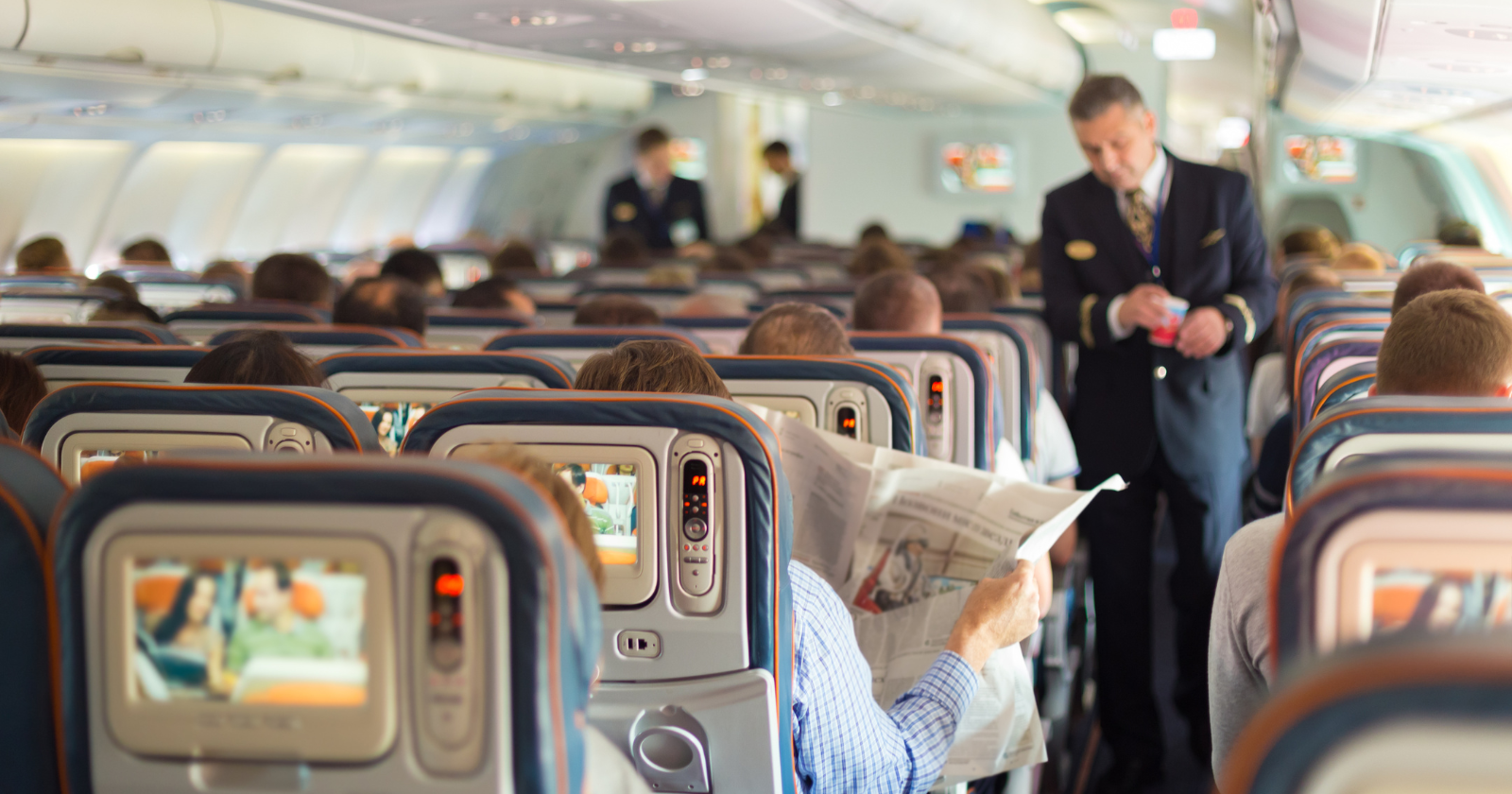
Budget flights are a special kind of social experiment.
We trade legroom and frills for a price that lets us say yes to more trips — and then we’re surprised when everyone behaves like they’re clinging to the last lifeboat.
I say this with love because I’ve done half the things on this list.
Airports pry at our edges. We’re hungry, late, overstimulated, and trying to protect a tiny patch of comfort in a metal tube. But how we move through that tube affects everyone inside it.
If we can spot our quirks before they spill over, we make the flight better for the whole cabin — and our nervous systems.
Here are 10 habits budget airline passengers slip into without realizing what they broadcast, plus low‑drama fixes that keep the peace.
Table of Contents
Toggle1. Pre-boarding line camping like it’s a concert
You know the move: boarding is in 25 minutes, yet there’s a human snake forming at the gate.
The logic is simple — first in line, first to bin space. But to everyone else, it reads like anxiety cosplay and triggers a domino effect of people standing for no real gain.
Most budget airlines board by zones — you’ll get on in roughly the same three-minute window whether you stand or sit.
The calmer play is to stay parked, organize your essentials, and stroll up when your group is called.
Worried about overheads? Keep your heaviest stuff under-seat and your jacket in your lap.
You’ll look unflappable, feel better, and avoid that herd mindset that turns perfectly good humans into grumpy statues.
2. The “it’s a personal item if I believe hard enough” carry-on
Budget carriers enforce bag sizes like a religion, and yet we test the faith with rolling suitcases we swear are “under the limit.”
Cue the gate jostle, passive sighs, and ten minutes of bin Tetris. The unintentional message is “my convenience over our timeline.”
The fix: measure your bag at home and assume the sizer box is your final boss.
If you’re pushing it, wear your bulkiest layers, decant toiletries, and place small stuff in a compressible tote that truly slides under the seat.
Bonus etiquette: stow your bag wheels-first, put coats on top after bins fill, and keep small items under the seat you’re actually using.
You’ll shave minutes off boarding and look like the rare traveler who makes things easier, not tighter.
3. Musical chairs without a melody (aka seat‑swap roulette)
Budget airlines charge for seat assignments, which sets the stage for awkward swap negotiations.
The classic: “Can I take your aisle so I can sit with my partner?”—while offering a middle seat ten rows back.
It reads as a favor to you, not a fair trade. If you’re the one asking, lead with empathy and equity: “I’m in 19B; totally fine if not, but would you like my aisle to sit us together?”
Make sure your offer is equal or better (aisle for aisle, window for window). If you’re the one being asked, “No, thank you—hope you find a swap” is complete.
Don’t justify, don’t apologize. I’ve talked about this before, but boundaries are classy.
Clarity beats guilt, and a clean no keeps resentment from simmering at 35,000 feet.
4. Reclining like you’re in business class with a hot towel
Tight pitch plus full recline equals instant laptop crunch. The habit isn’t the recline itself — it’s the ambush.
A sudden slam-back reads as “my comfort, your problem.” If you need to recline, do it slowly and check behind you first. A quick, “Hey, I’m going to recline a little—good?” diffuses 90% of tension.
If you’re the one behind, preempt the squeeze by keeping your screen slightly forward and placing a soft item between screen and the tray for a bit of flex.
Bonus civility: recline after meal service, return to upright during. On budget carriers, we’re sharing scarcity. Micro-considerations—like a slow recline—telegraph respect.
That’s the real upgrade most of us are chasing anyway: not more inches, just more grace.
5. The full meal deal with bonus aroma
I love food. I don’t love your tuna melt at 7:30 a.m. in seat 19C.
Strong-smelling meals on short-haul budget flights turn a pressurized cabin into a tiny test kitchen nobody signed up for.
The intention is harmless—save money, eat better than a sad cookie—but the perception is “my senses over yours.”
The simple switch: neutral aromas. Think bread, fruit, nuts, or wraps without onions and garlic. If you bring hot food, wrap it tight and open it during the quiet part of the flight (not during boarding when ventilation is worst).
Wipes afterward help. Hydrate instead of double‑ginger ale to avoid that fizzy burp symphony.
It’s not about shame — it’s about remembering your nose isn’t the only one on board.
Keep it mild and everyone breathes easier.
6. Barefoot freedom and the roaming foot
Air pressure swells feet, you want comfort, and — somehow — shoes vanish and a sock makes a cameo on somebody else’s armrest.
I get the urge.
But bare feet in public read as boundary blur, and foot sprawl is a top-tier ick.
Quick upgrade: slip-on shoes with clean socks and a travel-sized deodorizing spray. If you must loosen laces, keep shoes on for the cabin’s sake.
Feet stay on your own real estate: floor, not bulkhead; never on the tray; nowhere near the aisle.
If you’re tall and cramped, stretch in the galley during a quiet moment rather than creating a leg tent into the neighbor’s space.
Comfort is allowed — intrusion isn’t.
Hold that line and you’ll look like the rare adult who knows where their body ends and someone else’s begins.
7. Volume inflation: speakerphone, videos, and the shout-whisper
Budget flights attract groups — stag weekends, sports teams, families—and the energy creeps up fast.
Add one person on speakerphone or playing TikToks raw, and suddenly the gate becomes a food court at lunchtime. It reads as oblivious at best, performative at worst. Headphones exist for a reason.
If you forgot yours, go text‑only. If you must call, keep it short and soft.
Parents with kids: narrate quietly, pack a tiny book or sticker set, and celebrate small silences.
For adults, the fix is simple: use your inside voice and accept that nobody needs the full update on your Airbnb code.
There’s a confidence to being low‑volume in loud spaces. You don’t look insignificant; you look in control. That’s a vibe worth boarding with.
8. Aisle block choreography and the bin‑door conference
Here’s a ritual that triggers collective eye‑rolls: stepping into the aisle, opening the bin, and repacking your life while thirty people stack up behind you.
You’re optimizing your micro‑world; everyone else is watching their buffer to the connection evaporate.
Pre-pack smart.
Put immediate‑use items in a small pouch at the top of your bag or in your under‑seat personal item.
When you stand, slide into your row space first, then lift swiftly, close the bin, and step back in. If you must repack, wait for a quiet moment or ask a flight attendant for a window.
The message you want to send is “I occupy space efficiently.” Aisle awareness is one of those unsexy skills that makes you look competent, considerate, and strangely calm.
9. The “rules are a suggestion” security and boarding persona
Budget carriers often mean budget terminals: tighter lines, stricter liquid checks, fewer staff.
That’s when people start arguing with reality — chugging full water bottles at the scanner, pleading about bag size, or blaming agents for policies they didn’t write. It reads as entitlement and bleeds time.
The grown‑up move is prep and politeness. Pack with the rules in mind. Keep liquids consolidated, laptops accessible, pockets empty.
At the gate, assume the sizer wins. If staff make a call you don’t like, breathe, ask for the paid option, and move on. The paradox is real: the kinder you are to the system, the faster the system is to you.
Not because the universe is magical, but because stressed people naturally help the person who isn’t adding stress.
10. The touchdown jailbreak and carousel crush
We hit the runway and half the cabin launches upright like toast, elbows out, seatbelts clicking.
Minutes later at baggage claim, people glue themselves to the belt edge, blocking everyone’s view.
Both habits read as a scarcity mindset: “If I don’t sprint, I lose.”
Reality: the doors won’t open faster because you’re standing, and your bag won’t appear sooner because you’re guarding the lip. Try this instead: stay seated until the row ahead moves, then step out with your items ready.
At the carousel, stand two feet back so everyone can see; when your bag arrives, step forward once, lift smoothly, and exit the zone.
It’s graceful, efficient, and strangely satisfying. Calm presence is the ultimate flex in a crowd of flinchy reflexes.
Final words
Budget flying reveals our relationship with control.
We can tighten and fight for scraps—bin space, seat inches, noise dominance—or we can practice small, civil rituals that make the same cramped experience feel human.
The fixes aren’t heroic.
- Sit until your group is called.
- Pack inside the rules.
- Offer fair seat swaps or accept the no.
- Recline gently and eat kindly scented food. Keep your feet contained and your volume low.
- Step aside when the aisle needs to move, and give the carousel some breathing room.
None of this will earn you miles. It will earn you something better: a steadier nervous system, fewer micro‑conflicts, and the quiet respect of strangers who notice the person who didn’t add friction.
That’s the real upgrade on a budget airline — you.
