

If you’re over 60 and can still do these 10 physically demanding things, you’re tougher than most people your age

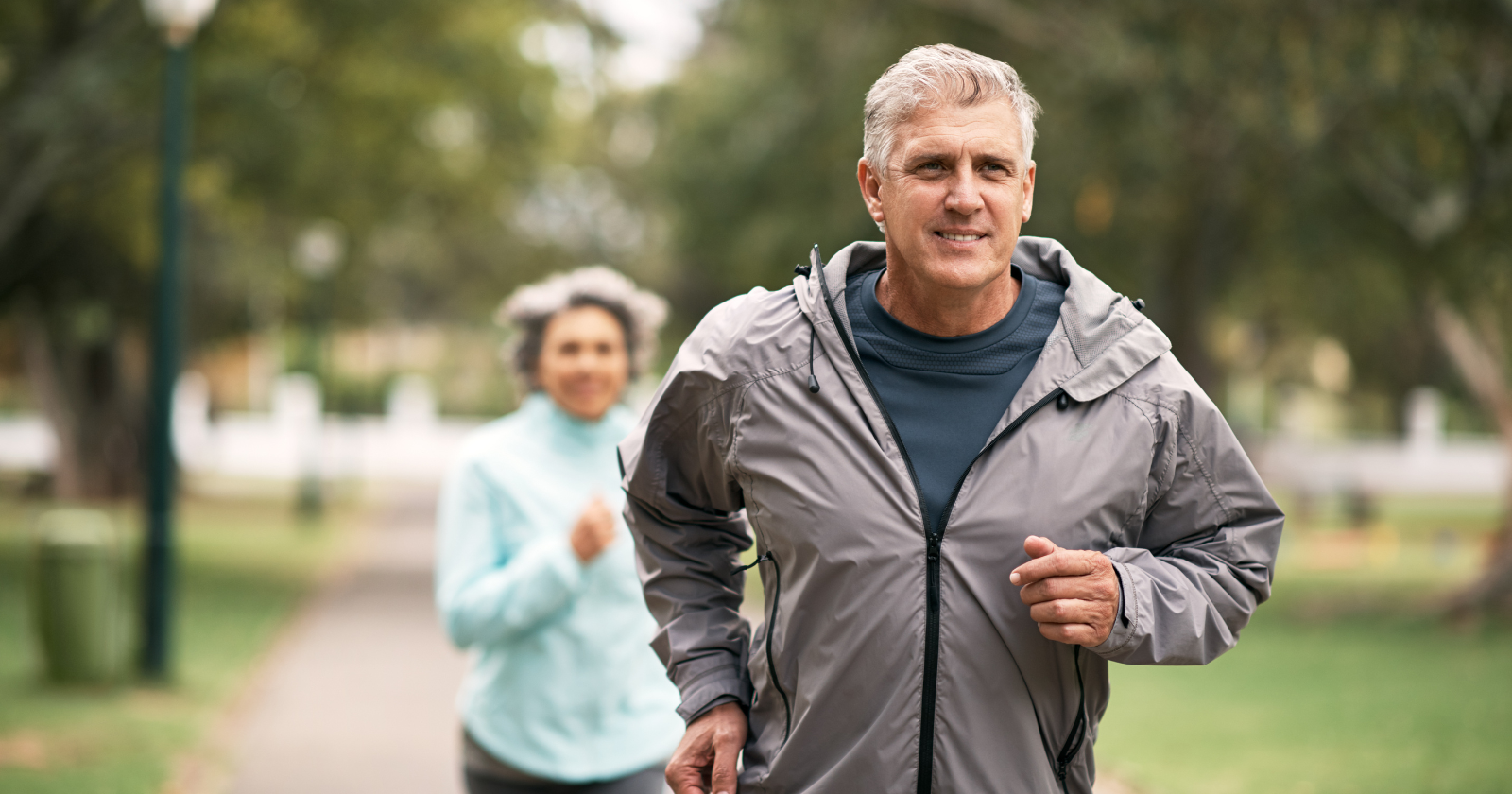
Age changes your body—but not always in the ways people think.
Research consistently shows that plenty of 60-, 70-, and even 80-year-olds are stronger, more capable, and more resilient than people half their age. And what’s most striking isn’t that they’re genetic outliers or lifelong athletes. Many aren’t.
What they tend to share is mindset: consistency, grit, mobility, and a refusal to let age define their limits.
Psychology and aging research tell us that physical capability after 60 is rarely just about muscle or bone density. It’s about attitude, habits, and the willingness to keep moving when others start slowing down.
If you’re over 60 and can still do the following 10 physically demanding things, you are tougher—physically and mentally—than most people your age.
1. Getting down on the floor and standing back up without help
This sounds simple. It’s not.
The “sit-to-stand” movement is one of the most accurate predictors of long-term mobility and independence. If you can still get down on the floor and stand up using your own strength—not your hands, not the furniture—you’re in rare company.
Most people begin to lose this ability in their 50s.
Being able to do it at 60+ means your legs, core, balance, and coordination are still working together beautifully.
Why it matters: This one ability predicts whether you can maintain an independent lifestyle in your later decades.
2. Carrying heavy groceries or lifting your own luggage
Strength fades when you stop using it, not simply because of age.
If you’re still able to:
- carry two full grocery bags,
- lift your suitcase into a car or overhead compartment,
- move a box or piece of furniture without straining,
you have functional strength that many people lose far earlier.
It’s not just muscle—it’s the stability, grip strength, joint health, and confidence that come with regular physical use.
Why it matters: This is real-world strength, the kind that keeps you independent and self-reliant.
3. Walking 5–10 km without needing a long recovery
If you can walk distance at 60+, you already outperform a huge percentage of people your age—and even younger.
Steady walking requires cardiovascular health, joint function, lung capacity, and endurance. Many people in their 60s and 70s stop walking long distances not because they can’t, but because they stopped long ago.
If you’re still doing it, your body is aging better than average.
Why it matters: Regular walking is strongly linked with longevity, brain health, emotional stability, and lower risk of disease.
4. Squatting deeply without pain
The squat is the foundation of human movement—sitting, standing, lifting, climbing, and balance all depend on it.
If you can still sit into a deep squat and stand up smoothly, even with some support, you have stronger-than-average hip mobility, ankle flexibility, core strength, and joint health.
Most adults lose the ability to squat comfortably by their mid-40s.
Why it matters: Deep squatting reflects how well your body has maintained flexibility, balance, and functional strength.
5. Doing a full plank for 30–60 seconds
People underestimate planks. They’re not just a “core workout.” They test:
- spinal stability,
- shoulder strength,
- glute activation,
- breathing control.
If you can hold a plank at 60+, it means your body is still working as an integrated system—not breaking down into weak links.
Why it matters: A strong core protects your back, improves posture, and prevents falls.
6. Climbing stairs without getting winded
Climbing stairs is a cardiovascular stress test disguised as a daily activity. It requires coordination between your heart, lungs, and muscles.
If you can go up a flight or two without stopping, without clutching the railing, and without needing to catch your breath, your overall conditioning is better than most people your age.
Why it matters: Stair climbing ability is strongly linked with heart health and long-term survival rate.
7. Maintaining good balance on one foot
Balance declines rapidly with age—but not for everyone.
If you can stand on one foot for 10–20 seconds without wobbling, you have excellent neuromuscular control.
Balance requires:
- strong stabilizer muscles,
- a healthy vestibular system,
- good reflexes,
- coordination between mind and body.
Why it matters: Good balance drastically reduces the risk of falls—the number one cause of injury in older adults.
8. Bending over and touching your toes
Flexibility declines in the hips, hamstrings, and lower back as we age. But with regular stretching or active movement, many people keep more mobility than others expect.
If you can touch your toes (even with slight bending), you’re way ahead of the average 60-year-old. You have functional mobility that keeps your spine healthy and your muscles long—not tight and injury-prone.
Why it matters: Touching your toes is a sign of lower-back health, hip mobility, and reduced injury risk.
9. Getting in and out of a car easily
People don’t realize how complex this movement is. It requires:
- leg strength,
- core stability,
- hip flexibility,
- balance,
- coordination.
If you can slide in and out of a low car without strain, twisting awkwardly, or supporting your entire weight with your arms, your functional mobility is excellent.
Why it matters: This is a direct predictor of real-world physical independence.
10. Doing light strength exercises with proper form
You don’t need to lift heavy weights. But if you can still do:
- push-ups (regular or modified),
- resistance-band training,
- dumbbell presses,
- bodyweight exercises,
- basic strength circuits,
—you’re in significantly better condition than most people over 60.
This isn’t just strength. It’s coordination, joint health, posture control, and discipline.
Why it matters: Strength training is the #1 most effective anti-aging practice for your bones, hormones, and metabolism.
If you can do these things, you’re aging better than you think
Most people think toughness is measured by big accomplishments. But after 60, toughness is measured by the quiet things:
- mobility,
- consistency,
- resilience,
- strength,
- independence.
If you can still move, lift, climb, carry, balance, and get up off the ground, you are not just “doing well for your age.”
You are physically exceptional.
You’ve preserved what most people lose—and that puts you in a rare, powerful group of older adults who are not defined by age, but by vitality.
A final message for anyone over 60
The world loves to underestimate people as they age. But there are countless 60-, 70-, and 80-year-olds out there proving the stereotypes wrong every day.
If you can still do the things on this list, you’re not “old.” You’re capable, conditioned, and tougher than the majority of your peers.
Keep moving. Keep pushing. Keep surprising people—including yourself.
