

People who make friends easily while traveling often display these 7 behaviors

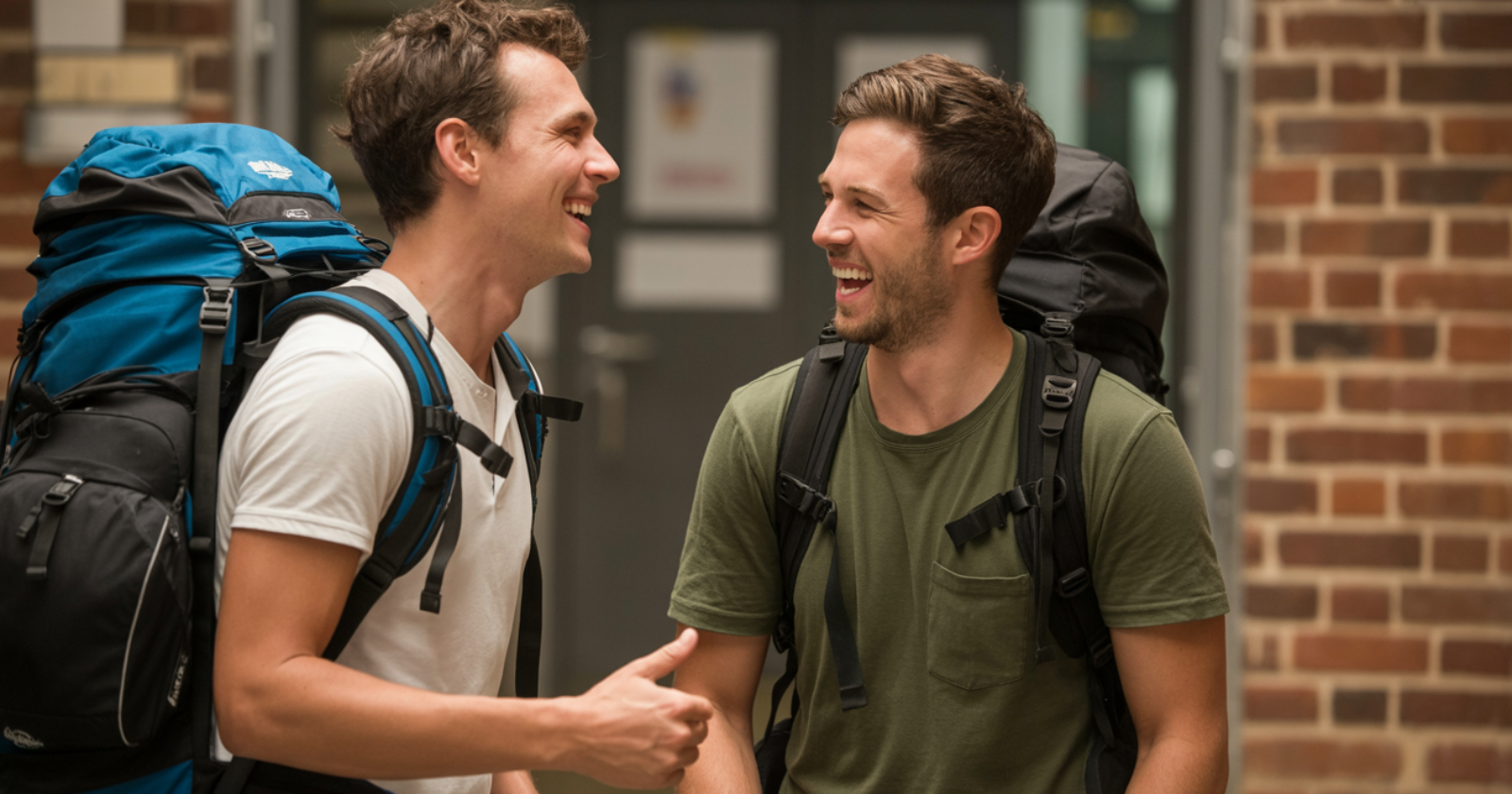
There’s something almost magical about watching people effortlessly connect with strangers while traveling.
You know the type—they strike up conversations in hostel common rooms, end up getting dinner invites from locals, and somehow leave every city with a handful of new contacts and genuine friendships.
If you’ve ever wondered how they do it, you’re not alone. Most of us have watched these social butterflies in backpacker districts and bustling food markets, seemingly making instant connections while we struggled to get beyond small talk.
But here’s what becomes clear after observing these natural connectors: it’s not about being the most outgoing person in the room or having some mysterious charisma gene.
The people who make friends easily while traveling almost always display specific, learnable behaviors. They’ve figured out the unspoken rules of human connection, and honestly, most of it comes down to being genuinely interested in others rather than trying to impress them.
Let’s break down exactly what these friendship magnets do differently.
1. They ask genuine questions and listen to the answers
Here’s the thing about most travelers: they’re dying to share their stories. Where they’ve been, what they’ve seen, the crazy thing that happened yesterday.
But the people who make friends easily? They flip the script entirely.
Think about how it typically plays out. Someone spends an entire evening talking about their itinerary to anyone who’ll listen, and goes to bed having made zero real connections.
Then you notice someone else work the room differently. Instead of launching into their travel tales, they ask questions: “What’s been your favorite surprise so far?” “How did you end up choosing this route?”
As Dale Carnegie once said, “You can make more friends in two months by being interested in other people than in two years by trying to get other people interested in you.”
2. They share vulnerable moments instead of highlight reels
Most travelers are guilty of the same thing—we present our trip as this perfect Instagram-worthy adventure. Everything’s amazing, every meal is incredible, every sunset is life-changing.
But the real connectors? They’re willing to share the messy stuff too.
Picture a group dinner where someone new joins the table. Instead of bragging about their itinerary, they laugh about getting food poisoning and spending two days watching Netflix in their hostel room.
Suddenly, everyone is sharing their own disaster stories. The guy who missed three flights. The girl who got scammed by a tuk-tuk driver. Someone else admitting they were too intimidated to try street food for their first week.
That vulnerability creates instant bonds. I think it’s what C.S. Lewis meant when he said, “Friendship… is born at the moment when one person says to another: ‘What! You too? I thought I was the only one.'”
Perfect travelers are forgettable. Real humans with real struggles? That’s where friendships begin.
3. They actually listen more than they talk
This one sounds obvious, but you’d be shocked how rarely people actually do it.
Most conversations in hostel common rooms or busy cafés are just people waiting for their turn to speak. Two monologues happening simultaneously, not a real exchange.
But the natural connectors? They have this uncanny ability to make you feel heard.
Research in social psychology consistently supports this. The people who attract others aren’t necessarily the loudest or most entertaining—they’re the ones who ask follow-up questions, remember details from earlier conversations, and give you their full attention when you speak.
When someone genuinely listens to your story about getting lost in unfamiliar backstreets or your excitement about finally trying a local delicacy, it creates something rare: the feeling of being truly seen.
And that feeling? It’s addictive. People gravitate toward those who make them feel heard.
4. They make the first move without hesitation
While most of us are overthinking whether it’s appropriate to approach that group at the next table, these people are already introducing themselves. They see someone eating alone and ask if they can join. They notice you’re looking at a map and offer directions.
Many travelers are the king or queen of missed opportunities. Standing in line for street food, sitting alone in hostel lobbies, waiting for someone else to make the first move.
Spoiler alert: it rarely happens.
The game-changer is adopting a simple rule: if you’re curious about someone or want to connect, act on it immediately. No overthinking, no waiting for the “perfect moment.”
It feels terrifying at first, but here’s the thing—most travelers are just as eager to connect as you are. They’re often relieved when someone else takes the initiative.
The worst thing that happens? A polite decline. The best thing? You might just meet your new travel buddy.
5. They’re genuinely curious about local perspectives
There’s a massive difference between travelers who stick to the expat bubble and those who actually connect with locals. The friend-makers actively seek out authentic local perspectives.
You can see this play out everywhere. While most backpackers hang out exclusively with other Westerners, the people who make lasting friendships are asking their hostel receptionist about favorite local spots, chatting with street vendors about their lives, or joining locals at neighborhood bars instead of tourist-heavy areas.
They don’t approach these interactions as photo opportunities or cultural curiosities. They treat locals as individuals with interesting stories, not walking guidebooks.
This curiosity extends beyond just locals, too. They’re equally interested in hearing how a place looks through German eyes versus Brazilian eyes. They collect perspectives like souvenirs.
The result? They don’t just visit places—they actually understand them. And locals can sense the difference between genuine interest and surface-level tourism. One creates memorable connections, the other creates transactional exchanges.
6. They follow through on plans
This might sound basic, but you’d be amazed how many potential travel friendships die because someone doesn’t follow through.
“Let’s grab dinner tomorrow!” becomes empty words when tomorrow comes and nobody makes concrete plans. “We should definitely meet up in your city!” sounds great until you actually arrive and realize you never exchanged proper contact info.
The people who build real travel networks are meticulous about follow-through. They suggest specific times and places. They actually show up when they say they will. They follow up on those “let’s stay in touch” promises.
7. They’re comfortable being alone in public
Here’s something counterintuitive: the people who make friends most easily while traveling are completely comfortable doing things solo.
They’ll sit alone at a café without scrolling their phone the entire time. They’ll go to bars by themselves and actually engage with their surroundings. They treat solo activities as opportunities, not something to endure until they find company.
This confidence is magnetic. There’s something intriguing about someone who’s genuinely enjoying their own company. It signals that they’re choosing to connect with you, not desperately seeking anyone to fill a void.
Final words
The beautiful thing about all seven of these behaviors is that none of them require you to be naturally extroverted, extraordinarily charismatic, or fearless. They’re skills that anyone can develop with a bit of practice and intention.
At their core, they all come back to one simple principle: genuine curiosity about other people. When you approach travel—and life—with a real desire to understand the humans around you rather than just impress them, connections happen naturally.
So next time you find yourself in a hostel common room or at a bustling local market, try leading with questions instead of stories. Share something real instead of something polished. Listen more than you talk. And don’t wait for someone else to make the first move.
You might be surprised at how quickly the world opens up when you do.
