

There are 4 types of dog owners: Which one are you?

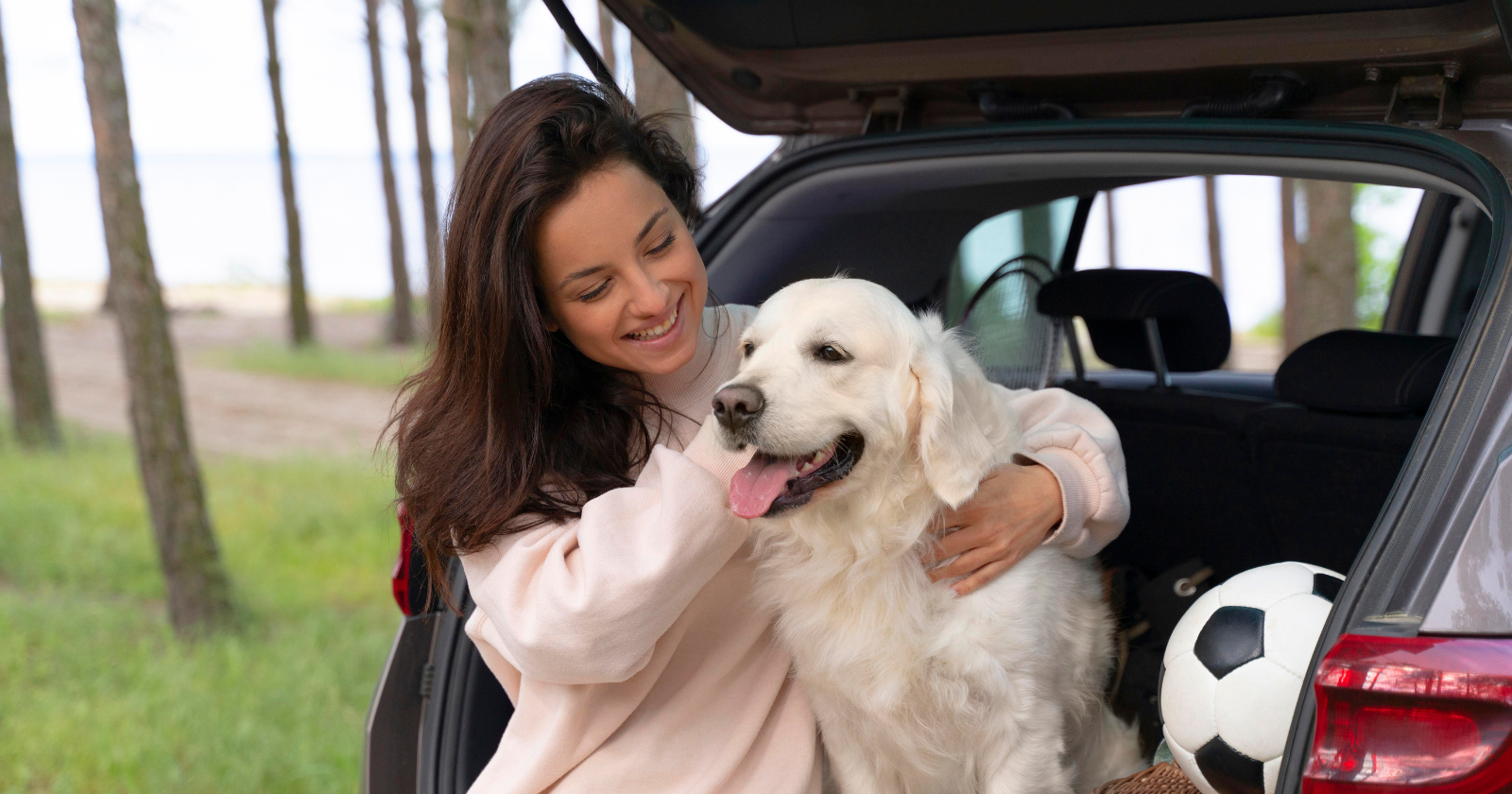
There’s something interesting about how people talk about their dogs.
Research suggests that in private settings—among friends and family—dog owners are far more likely to call their dog “my child” or “my kid” than they are in public. People tend to be more guarded about it around strangers or coworkers, as if admitting this emotional truth might seem silly.
These aren’t just cute nicknames. They reflect the genuine parental responsibility people take on when they bring a dog into their lives.
When you assume financial, physical, and emotional responsibility for a vulnerable creature in your household, you’re taking on a parental role. And just like with children, how you approach that role matters.
Researchers have found that the way people parent their dogs mirrors the four established parenting styles—and the outcomes for pets follow the same patterns we see in human children.
1. The neglectful dog parent
Neglectful parents don’t exert themselves on behalf of the child. They might ignore their responsibilities, leaving a child without proper supervision, food, or basic care.
With dogs, this looks similar. A neglectful dog parent might leave their animal unattended for extended periods without water, shade, food, or access to toileting. The dog’s basic needs aren’t consistently met.
This isn’t just about physical neglect—it’s about a fundamental absence of care and attention. The dog becomes an afterthought rather than a responsibility.
2. The permissive dog parent
Permissive parents aren’t neglectful of physical needs, but they readily give in to every impulse and request. They indulge without restraint, providing freedoms beyond what’s developmentally appropriate.
These children lack practice in respecting boundaries or exercising self-restraint because boundaries were never consistently enforced.
With dogs, permissive parenting means letting your animal snatch food off guests’ plates, urinate throughout the house, or engage in whatever behavior they want. There are no consistent rules, no training, no boundaries.
A Dutch study found that permissive pet parenting is linked to canine obesity—these owners are less likely to limit treats or manage their dog’s food intake. The dog wants it, so the dog gets it.
In the short term, this might seem loving. In the long term, it creates an anxious, poorly socialized dog that struggles in the world.
3. The authoritarian dog parent
Authoritarian parenting is highly demanding and rule-focused. It emphasizes heavy punishment and discipline with little consideration for nurturing relationships, positive emotions, or voluntary cooperation.
This style might yield short-term compliance, but the long-term results are problematic.
Authoritarian dog trainers prioritize obedience above everything else. They’re more likely to rely on physical discipline and harsh methods than positive reinforcement and compassionate training.
Dogs raised with this style show signs of chronic stress. They may become reactive or fearful. Their learning suffers, and their performance on cognitive tasks decreases.
The relationship becomes based on fear rather than trust, which is exactly what we see in human parent-child relationships under authoritarian parenting.
4. The authoritative dog parent
This is where things get interesting.
Authoritative parenting is a sensitive approach that’s attuned to each individual’s needs. It combines conscientious physical care with warm affection and clear guidance. Parents offer age-appropriate challenges, lots of positive encouragement, and consistent boundaries.
Discipline is limited and rarely punitive. Instead, appropriate consequences are allowed to play out naturally. Children raised this way develop secure attachment relationships, trust in themselves and others, and generally make the most of their potential.
With dogs, the benefits are the same. Authoritative pet parenting means rewarding cooperation and gently correcting or redirecting unwelcome behavior. Even when the dog displays what we might call “bad” behavior, they’re handled with respect and sensitivity.
Research shows that this style boosts dogs’ social and problem-solving behavior, improves cognitive performance, and enhances overall well-being. Regardless of the dog’s inherent aptitudes or challenges, this parenting style helps them grow into the most relaxed, confident, and socially skilled version of themselves.
Why this matters more than you think
It’s common to see people struggle with their dogs and assume the problem is the dog’s personality or breed.
But often, the issue is the parenting style. A high-energy dog raised permissively becomes a nightmare. The same dog raised with authoritative parenting becomes a joy—still energetic, but channeled and trained.
An anxious dog raised with authoritarian methods becomes more fearful and reactive. That same anxious dog raised with authoritative warmth and clear boundaries can become confident and calm.
The parallels with human parenting aren’t coincidental. We’re dealing with the same fundamental dynamics: a more powerful being guiding a less powerful one through the world.
What kind of dog parent are you?
Most of us probably blend styles depending on the situation. You might be authoritative most of the time but slip into permissiveness when those puppy eyes are just too much to resist.
The question worth asking is: which style dominates your approach?
If your dog runs your household, you’re probably leaning permissive. If you find yourself constantly correcting and punishing, you might be authoritarian. If you’re largely hands-off, that’s neglectful. And if you’re providing structure, warmth, and consistent guidance, you’re authoritative.
The good news? Unlike with children, where patterns are set over years, dogs are remarkably adaptable. Shifting your parenting style can create noticeable changes relatively quickly.
Start paying attention to how you interact with your dog. Are you setting clear boundaries? Are you rewarding good behavior more than you’re punishing bad behavior? Are you consistent?
Your dog isn’t just a pet. If you’re being honest, you already know they’re more than that. They’re a member of your household who depends on you for everything.
How you parent them shapes who they become. And just like with human children, the authoritative approach—warm, clear, consistent, and respectful—tends to create the best outcomes.
Your dog deserves that. And honestly, so do you. A well-adjusted, confident dog makes life so much easier than a stressed, anxious, or poorly behaved one.
The choice is yours.
