

10 ordinary things Gen Z treats as “essential” that older generations see as wasteful

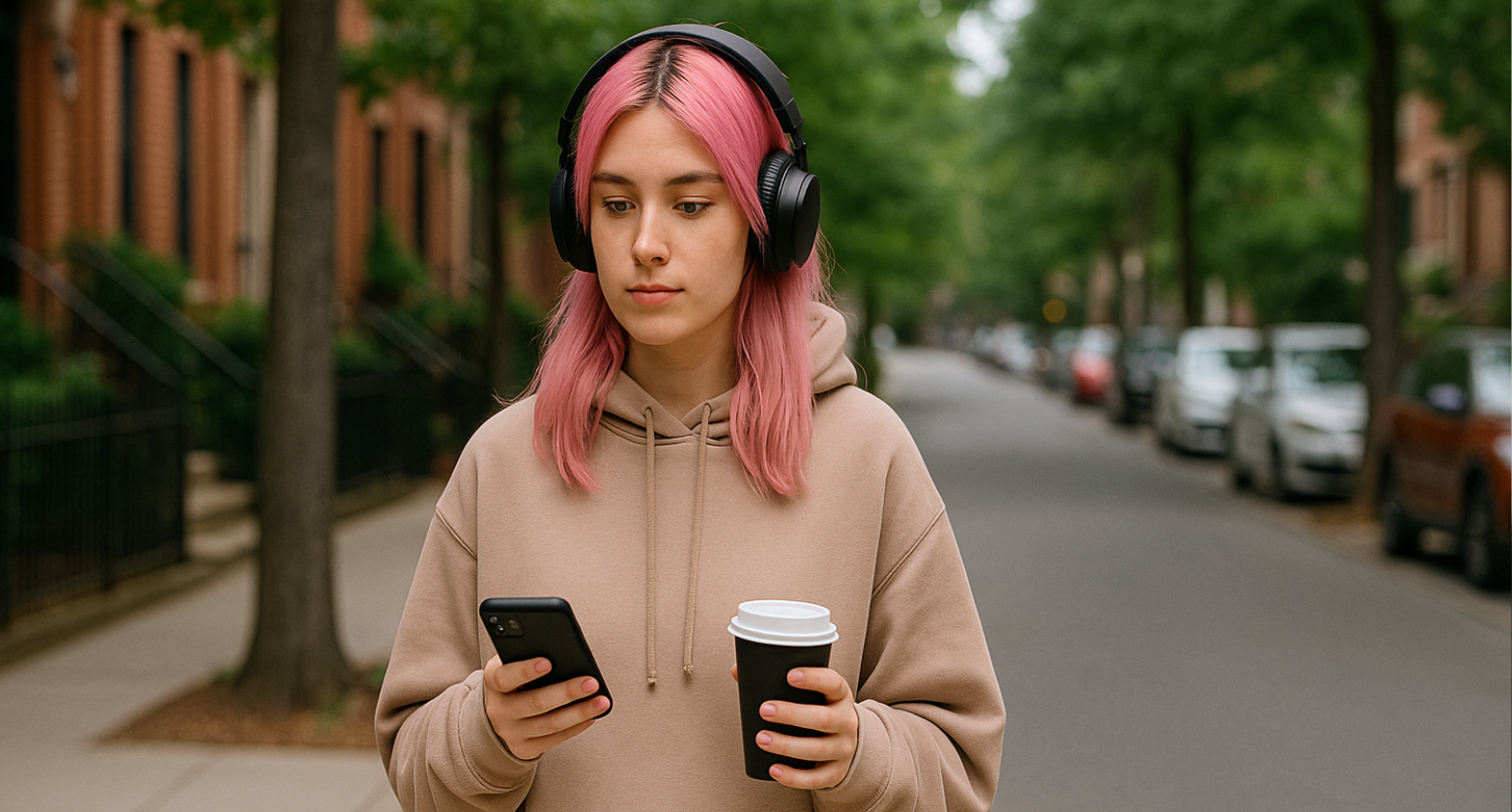
Every generation has its quirks, the habits that make perfect sense to those living them but leave older folks shaking their heads.
For Gen Z, raised in a world of smartphones, influencers, and subscription everything, many ordinary items and services have crossed the line from luxury to “essential.”
Older generations—who grew up patching jeans, cooking most meals from scratch, and fixing appliances instead of replacing them—often look at these choices and wonder if they’re signs of progress or just wasteful indulgence. But like most cultural shifts, the truth sits somewhere in the middle.
Here are ten everyday things Gen Z often treats as non-negotiable while many Boomers and Gen Xers consider them unnecessary or even frivolous.
1. Daily coffee shop runs
Let’s start with the classic: the $7 iced latte. For many in Gen Z, grabbing a coffee before class or work is part ritual, part comfort, and part identity.
Cafés aren’t just about caffeine—they’re social hubs, Wi-Fi zones, and even study spaces.
Older generations, however, often see this as absurdly wasteful. Why buy what you can brew at home for pennies? For them, coffee was functional, not performative. The idea of customizing a drink with oat milk, two pumps of caramel, and cold foam would’ve been laughable.
Of course, context matters. A café isn’t just coffee; it’s atmosphere and convenience. Still, the generational divide is clear: to one side, it’s essential daily joy, to the other, it’s an overpriced habit draining wallets.
2. Constant phone upgrades
Have you noticed how quickly Gen Z feels the need to upgrade their phones? Many can’t imagine sticking with the same device for more than a couple of years.
The latest camera, the new AI feature, or even just the sleek design feels worth the cost.
Older generations grew up seeing electronics as long-term investments. A TV lasted a decade. A phone, once it existed, was expected to survive drops, scratches, and years of wear.
The idea of buying a new one when the old one still technically works can feel downright irresponsible.
This clash highlights how technology shifted from being purely functional to a form of self-expression. For Gen Z, the phone isn’t just a tool—it’s their wallet, their planner, their entertainment hub, and their window to the world.
3. Food delivery apps
I’ll admit, I use these too. There’s something intoxicating about pressing a few buttons and having a steaming bowl of ramen show up at your door.
For Gen Z, apps like Uber Eats and DoorDash aren’t luxuries—they’re part of everyday life.
But ask someone from an older generation, and they’ll raise an eyebrow at the delivery fees alone. Why pay three times the price of cooking at home or even picking up food yourself?
To them, this isn’t convenience; it’s money slipping away in exchange for laziness.
Yet for Gen Z, time feels like the real currency. Many would rather pay extra to reclaim an hour for studying, working, or just relaxing. What older generations call waste, younger ones frame as efficiency.
4. Streaming subscriptions galore
How many subscriptions do you have right now? Netflix, Spotify, Disney+, maybe even a meditation app?
For Gen Z, streaming services are as essential as electricity. Entertainment has been redefined as on-demand, ad-free, and personalized.
For Boomers and Gen X, paying for multiple platforms can feel like madness. After all, they grew up with free TV (ads and all) and radio. Watching a movie meant renting a DVD or catching it when it aired—not building a monthly bill of subscriptions that quietly pile up.
But the cultural shift here is massive: media is no longer scarce. For Gen Z, the abundance of choice is the point, even if older generations see it as endless micro-payments eating away at their budget.
5. Branded reusable water bottles
When I was in college, I carried around the same battered plastic bottle for three years. It wasn’t pretty, but it worked.
Fast forward to now, and I see Gen Z with $40 Stanley cups or pastel Hydro Flasks that they guard like prized possessions.
Older generations can’t wrap their heads around why anyone would spend so much on something that’s supposed to be free—water. A thermos from the dollar store was good enough for them.
But for Gen Z, these bottles are more than hydration tools. They’re fashion statements, conversation starters, and symbols of eco-conscious living.
What seems wasteful to one group feels like identity and values expressed through design to another.
6. Gym memberships and boutique fitness
Why are so many 20-somethings willing to pay $100 a month for a gym, or more for classes like hot yoga and spin?
To Gen Z, fitness isn’t optional—it’s tied to mental health, self-care, and community.
Older generations often had more utilitarian views of exercise. They mowed lawns, walked everywhere, or maybe joined the local YMCA for a modest fee.
Paying big money to sweat under neon lights with a branded smoothie afterward feels baffling.
The difference is cultural framing. For Gen Z, gyms and classes aren’t just about fitness—they’re about lifestyle, belonging, and a sense of investing in themselves. What some see as indulgent, others see as necessary for survival in a stressful world.
7. Designer sneakers
Do you really need $200 sneakers when $40 ones do the same job?
Ask any Gen Z, and you’ll probably get the same answer: yes.
Sneakers are the centerpiece of many wardrobes, combining comfort with cultural cachet. They’re collectibles, status symbols, and creative outlets all at once.
Boomers and Gen X might roll their eyes, remembering when sneakers were just for gym class. They valued durability over design, and spending a week’s wages on footwear felt absurd.
But sneaker culture exploded with Gen Z, fueled by social media and resale markets. What looks like wasteful spending to one generation looks like an investment—or at least a form of self-expression—to another.
8. Skincare routines with 10+ steps
Have you ever stood in the skincare aisle and felt overwhelmed by the sheer number of serums, toners, and masks?
For Gen Z, a multi-step routine isn’t indulgence—it’s maintenance. A well-stocked bathroom shelf is as essential as groceries.
Older generations grew up with soap, water, maybe cold cream if you were fancy.
Spending hundreds on serums can look like throwing money down the drain. To them, the idea of “double cleansing” sounds like marketing, not science.
But Gen Z has embraced skincare as self-care. The process itself is therapeutic, a way to unwind and feel in control. And in a selfie-driven culture, glowing skin is more than vanity—it’s currency.
9. Ride-sharing everywhere
A friend of mine in his 60s still insists on taking the bus everywhere, even if it takes twice as long. He can’t understand why his Gen Z kids regularly use Uber for short trips.
To him, paying $15 for a ride when the bus costs $2.50 sounds ridiculous.
For Gen Z, though, ride-sharing feels essential. It’s safer at night, more convenient than parking, and often faster than public transport. They’re willing to pay for comfort, even if it adds up.
This is where values diverge: one generation prioritizes thrift and patience, the other convenience and safety. Neither is wrong—but they don’t see eye to eye.
10. Constant wardrobe refreshes
Why do Gen Z closets feel like revolving doors? Fast fashion, influencer culture, and the pressure to never repeat an outfit on social media mean constant turnover. Buying new clothes every month feels essential to many.
Meanwhile, older generations often prided themselves on stretching wardrobes across seasons, even decades. A winter coat lasted years, not one winter. Shopping was occasional, not a weekly hobby.
The tension here is clear: older generations see waste and environmental harm, while Gen Z sees adaptation to modern culture and self-expression. Whether you call it wasteful or essential depends on what you value more: thrift or novelty.
Final thoughts
What looks essential to Gen Z often feels frivolous to their parents or grandparents. But this isn’t just about money—it’s about the shifting meaning of value itself.
Older generations grew up in a culture of scarcity, where durability and practicality reigned. Gen Z has grown up in a culture of abundance, where convenience, identity, and experience carry more weight.
One person’s waste is another person’s lifeline. And maybe the real lesson here is less about judging and more about understanding.
Because when we step back, both thrift and indulgence have something to teach us about how to live well in the world we’ve inherited.
