

These 7 social media behaviors make people quickly dislike you in real life

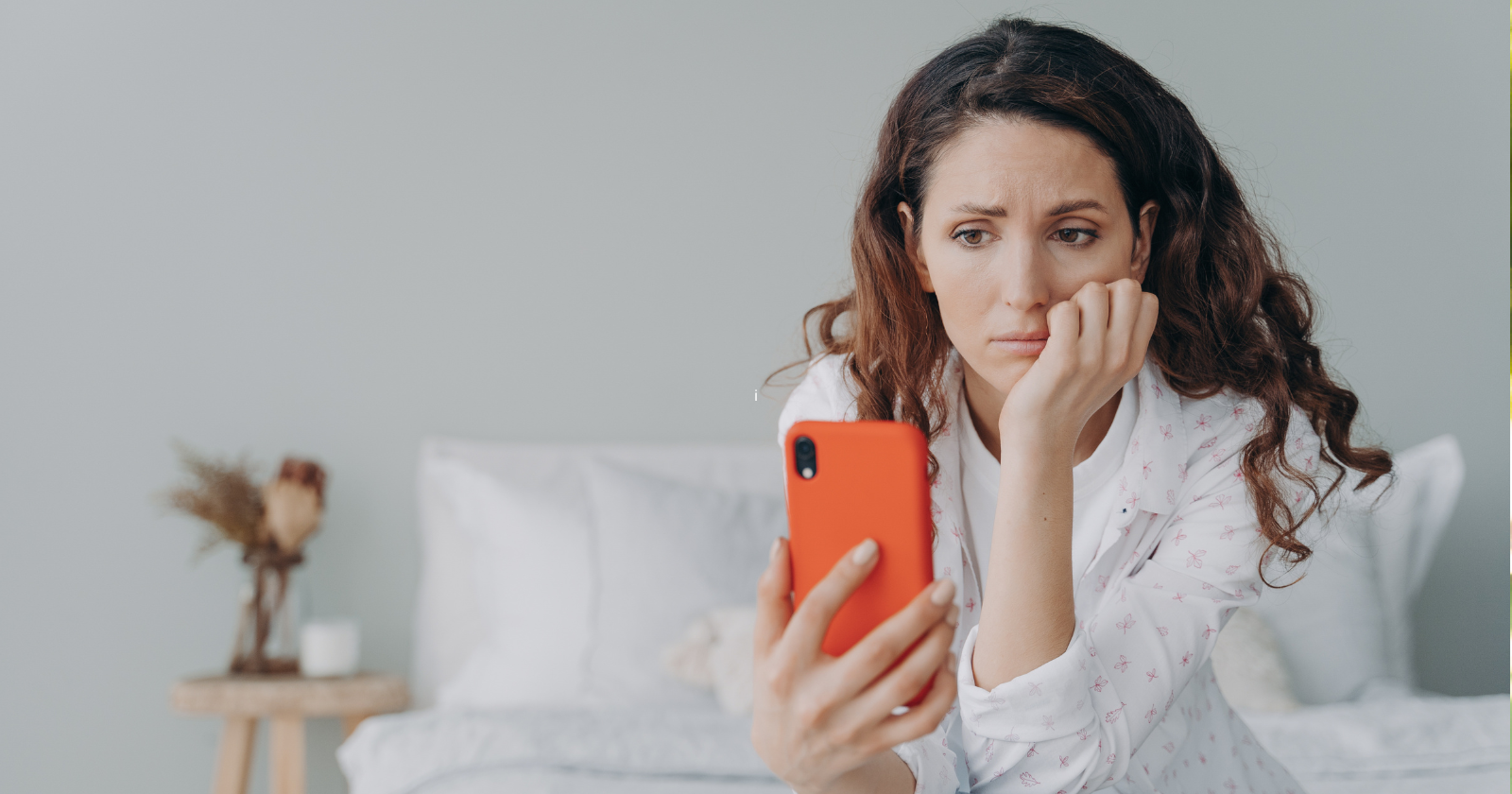
Social media has blurred the lines between our digital personas and real-world identities—but not always in a good way.
While you might think your online behavior stays confined to the screen, research reveals a different story: the way you conduct yourself on Instagram, Facebook, and Twitter can dramatically shape how people perceive and treat you in person.
More often than not, many of these behaviors feel harmless or even positive in the moment. You might think you’re staying connected, building your image, or simply sharing your life. But these seven specific patterns are quietly eroding your real-world relationships and social standing.
Today, we’re exploring seven social media behaviors that psychology shows make people instantly dislike you in real life.
1. Constantly documenting instead of experiencing
You know that friend who can’t eat a meal without photographing it from seventeen angles? Or the one who watches entire concerts through their phone screen?
Yeah, that used to be me.
I remember being at a friend’s wedding, more focused on getting the perfect Instagram story than actually celebrating with them. It wasn’t until someone asked me to put my phone away that I realized I was missing the actual moment.
Research from the Journal of Experimental Social Psychology found that people who constantly document experiences report lower enjoyment and engagement with those experiences. But here’s what’s worse: the people around them feel it too.
When you’re always filming, photographing, or posting, you’re sending a clear message to those around you: this digital audience matters more than the people right here, right now. It creates a barrier, a sense that you’re not fully present, and trust me, people pick up on it instantly.
The solution? Practice the “one photo rule.” Take one good shot if you must, then put the phone away and actually experience what’s happening.
2. The humble-brag epidemic
“Ugh, so exhausted from my third vacation this month! #Blessed #SorryNotSorry”
We all know someone who does this, right? The humble-brag has become so common on social media that we barely notice it anymore. But in real life, it’s social kryptonite.
The principle is simple: speak with genuine intention, not to elevate yourself at others’ expense.
The problem with humble-bragging is that it tries to have it both ways. You want the social credit for being modest while still getting the ego boost from bragging. People see right through it, and it breeds resentment faster than you can say “hashtag blessed.”
In real-life conversations, this translates to those people who complain about problems that are actually privileges. It makes others feel disconnected from you and, frankly, annoyed.
3. Living in comparison mode
Scroll, compare, feel inadequate, repeat. Sound familiar?
Social media has turned us into comparison machines, and this habit doesn’t switch off when we log out. I’ve caught myself sizing up friends’ achievements, relationships, and lifestyles in person, using the same mental scoreboard I developed from years of Instagram scrolling.
Studies show that social comparison on social media significantly increases feelings of envy and decreases well-being. But here’s what they don’t always mention: when you bring this comparison mindset into real-world interactions, people sense it immediately.
They feel judged. They feel like they’re being measured against some invisible standard. And nobody wants to hang out with someone who makes them feel like they’re constantly falling short.
4. Oversharing personal drama
There’s something about social media that makes us think everyone needs to know about our relationship problems, family drama, or latest personal crisis.
But when this oversharing habit bleeds into real life? It’s exhausting for everyone involved.
I once knew someone who would share every detail of their breakup online, then rehash it all again in person with anyone who would listen. The result? People started avoiding them, not because they didn’t care, but because the emotional dumping was relentless.
Vulnerability is powerful, but there’s a difference between being open and treating everyone like your personal therapist. In real life, this behavior makes people feel used and overwhelmed.
5. The validation addiction
How many times have you checked your phone in the last hour to see if anyone liked your post?
This constant need for validation doesn’t disappear when we’re hanging out with friends. It shows up as fishing for compliments, constantly seeking reassurance, or that annoying habit of showing everyone your latest post to see their reaction.
According to psychology, excessive social media use is linked to increased narcissistic behaviors and decreased empathy.
Translation: the more we seek validation online, the more self-centered we become offline.
People can sense when you’re more interested in getting their approval than in genuine connection. It’s draining to be around someone who needs constant reassurance, and it prevents real, authentic relationships from forming.
6. Digital interrupting
We’re mid-conversation, and suddenly your phone buzzes. You glance at it “just for a second,” but that second stretches into scrolling through your feed while mumbling “uh-huh” at whatever I’m saying.
This behavior has become so normalized that we barely notice it anymore. But make no mistake: it’s relationship poison.
Being fully present with someone is one of the greatest gifts you can give them.
When you’re constantly checking your phone, you’re essentially saying, “Whatever’s on this screen is more important than you.”
The message is clear, and it stings. People remember how you make them feel, and nothing makes someone feel less valued than being treated as less important than a notification.
7. Creating a false persona
Perhaps the most damaging behavior of all is the gap between who you are online and who you are in person.
We’ve all met that person whose online presence is all positivity and inspiration, but in real life, they’re negative and bitter. Or the one who posts about their amazing relationship while complaining about their partner to anyone who’ll listen.
This disconnection creates a trust issue. When people realize you’re not who you pretend to be online, they wonder what else you’re hiding. They question your authenticity in every interaction.
Authenticity might be overused as a buzzword, but it matters. People want to connect with real humans, not curated personas.
When your online and offline selves don’t match, it creates cognitive dissonance that makes people deeply uncomfortable around you.
Final words
Here’s the thing: we’re all guilty of some of these behaviors. I know I am. The digital world has rewired our brains in ways we’re only beginning to understand.
But awareness is the first step to change. Once you recognize these patterns, you can start shifting them. Put the phone down during dinner. Stop humble-bragging. Be the same person online and off.
The quality of our real-world relationships determines our happiness more than any amount of likes or followers ever could. It’s time we started acting like it.
Because at the end of the day, the people who matter aren’t counting your followers. They’re counting on you to show up, be present, and be real.
