

The quiet child in the family photographs often grew up to be the adult people call when something is actually wrong

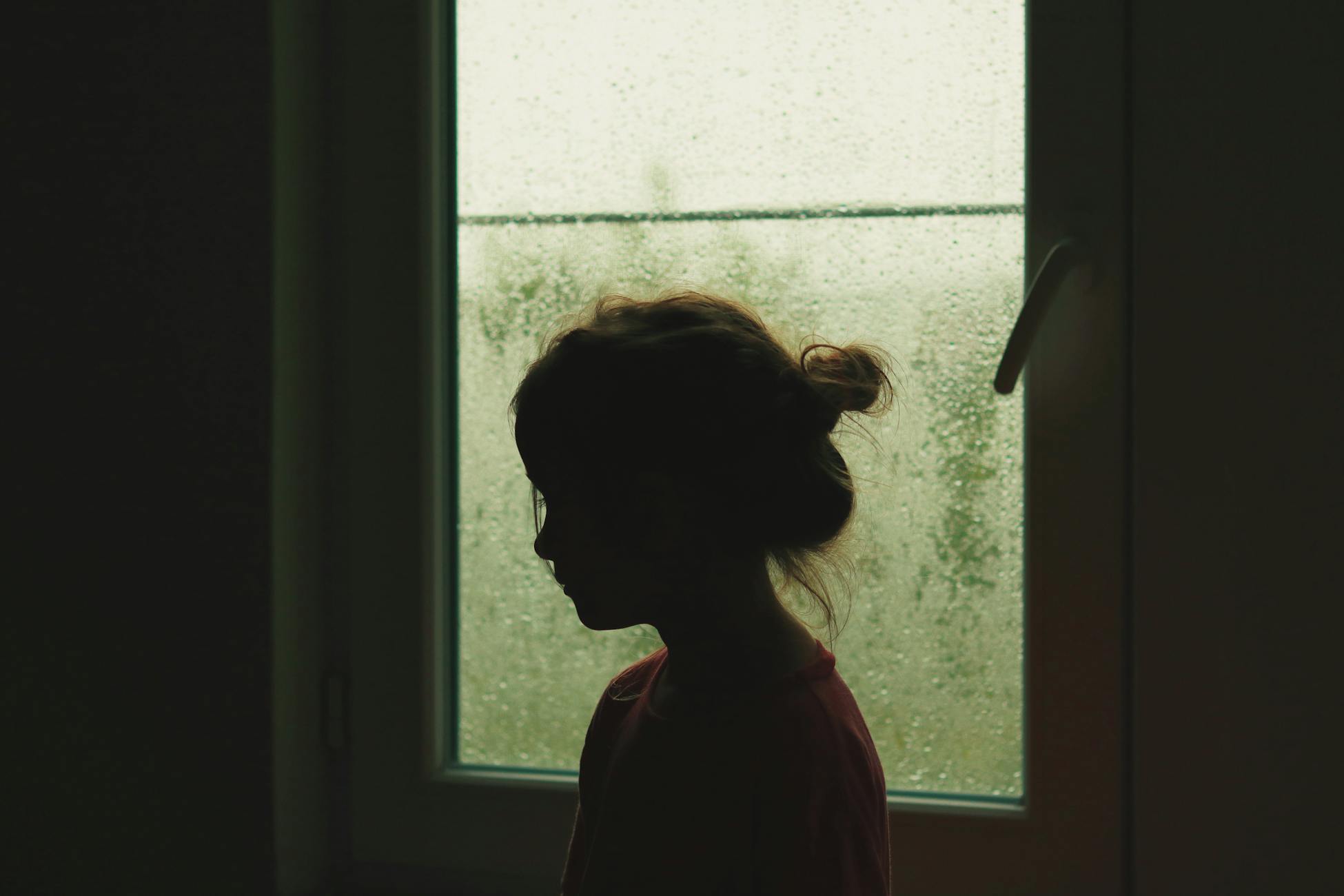
The kid in the photograph isn’t shy. That’s the first thing people get wrong. Look closely at the family albums of any group, and you’ll find at least one child positioned slightly off-center, eyes drifting toward something outside the frame. Adults read this as withdrawal. They write captions about the dreamer, the loner, the one who always had her head somewhere else. What they miss is that this child wasn’t somewhere else. She was the only person in the room actually paying attention to what was happening.
Most families operate on a polite fiction that everyone is participating equally. Dad is carving the roast. Mum is asking about school. The siblings are squabbling over the remote. And the quiet one, the one who looks half-turned toward the window, is cataloguing tone of voice, micro-expressions, the exact second the conversation tightened around something nobody wanted to name. She’s doing this because she has to. The other people in the room are too busy performing their roles to notice what’s actually happening underneath them.
Many people recognise this dynamic from their own families. The quiet child who seemed to be editing their words for twenty minutes before speaking wasn’t hesitant — they’d been listening to everyone else’s sentences with a precision nobody realised they were capable of. By the time it was their turn, they had three competing readings of what had just been said and were trying to figure out which version of themselves was supposed to respond.
What looked like withdrawal was actually surveillance
The conventional wisdom about quiet children is that they need to come out of their shell. Teachers write it on report cards. Aunts murmur it at Christmas. Parents worry, sometimes loudly, that their kid will be eaten alive in the real world. The assumption underneath all of this is that the child’s silence is a deficit, an underdeveloped social muscle, a problem to be solved through more swimming lessons or a better extracurricular.
What the conventional wisdom misses: the silence is often a developed competence, not a missing one. Adults who were shy and introverted as children tend to share a cluster of traits in adulthood — heightened observational sensitivity, strong pattern recognition in interpersonal dynamics, and an almost compulsive ability to register subtle shifts in mood. These aren’t compensations for an underdeveloped self. They’re what you build instead, when the room is loud and you’ve decided early that watching is safer than performing.
The watching becomes a skill. The skill becomes a role. And the role, if you’re paying attention to your own life by your thirties, is the one everyone calls when something is actually wrong.
The phone rings, and it rings for you
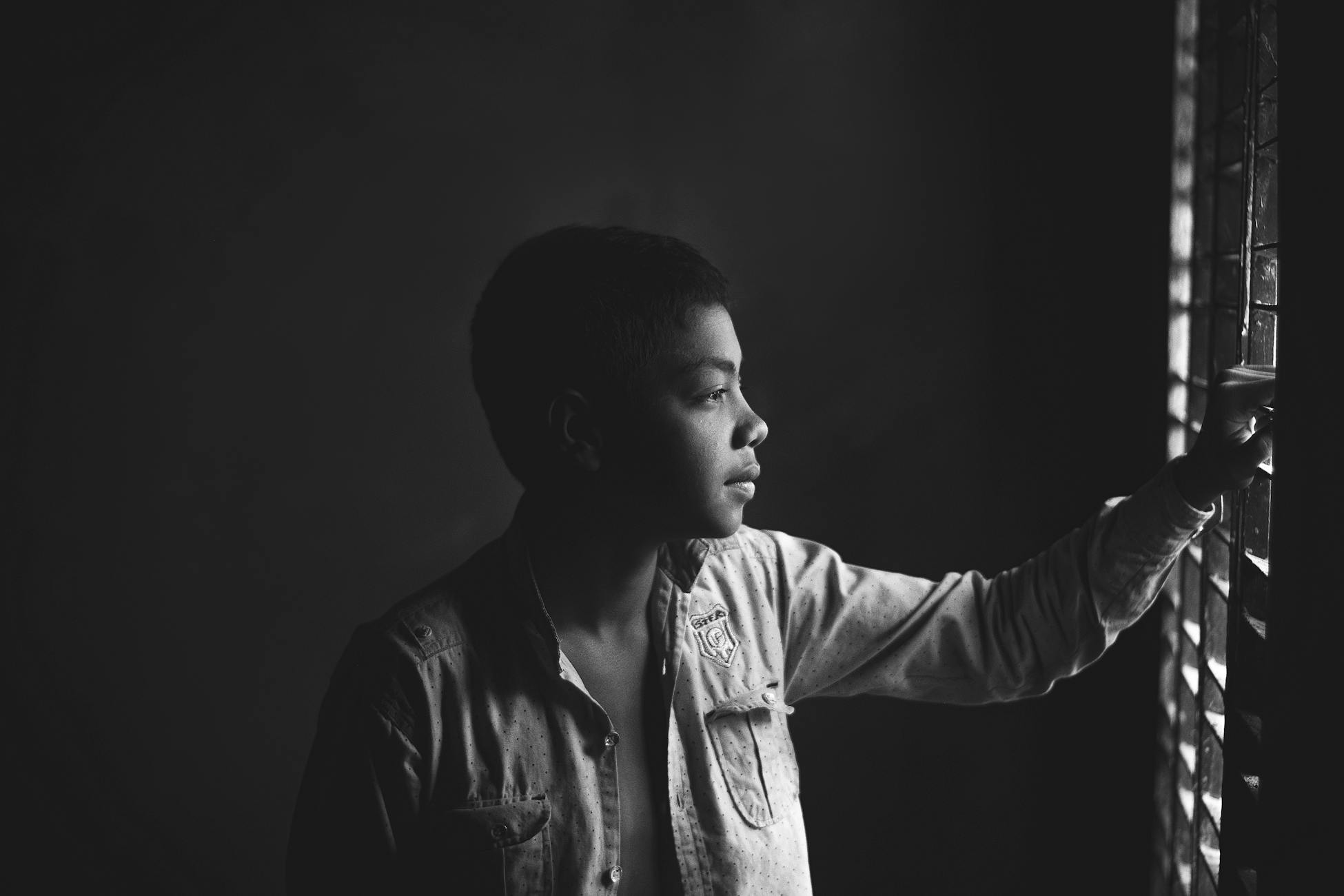
Notice who gets called when the family hits a real crisis. Not the loudest sibling. Not the one with the corner office. The call goes to the person who, at age nine, already knew which uncle had a drinking problem before anyone said it out loud. The call goes to the person who can sit on the phone for two hours without flinching while a cousin describes something nobody else in the family has been told yet.
This isn’t an accident. It’s recognition. The family knows, even if they’ve never articulated it, that this person has a capacity the others don’t. She can hold the information without panicking. She can ask the right next question. She won’t try to fix it before she’s understood it. She won’t turn the crisis into a story about herself.
Where does that capacity come from? Emotional intelligence gets built through repeated exposure to emotionally complex situations the child has to interpret without help. Loud kids in loud families don’t have to interpret. The interpretation is done out loud, by everyone, all the time. The quiet kid is doing private translation work. She’s the only one in the room building a model of why the adults are behaving the way they are.
By thirty, that model is sophisticated. By forty, it’s almost involuntary. You can’t turn it off, even when you’d like to.
The cost of being the one who notices
This isn’t a tribute piece. There’s a real price for the role, and pretending otherwise is dishonest.
The person who got called for every crisis didn’t choose that job in any conscious way. She trained for it as a child, often inside a family that needed her attentive in ways no child should have to be. Many of the adults who serve as their family’s emotional infrastructure were children who learned that vigilance was a survival requirement, not a personality preference. The household had something unstable in it. Someone was struggling. Someone was unpredictable. The kid by the window was tracking it, because tracking it was how you knew when to leave the room.
This is part of why the role exhausts people. It isn’t pure generosity. There’s an old reflex underneath it, a habit of monitoring that started as protection and never fully stopped. Research in developmental psychology suggests that certain adult habits look like organisation but are actually old vigilance patterns wearing new clothes. The crisis-call instinct is the same architecture, redirected outward.
What looks like wisdom from the outside often feels like nervous-system overactivation from the inside. The phone buzzes and your stomach already knows it’s bad before you’ve read the message.
Why the loud ones don’t get the call
There’s a quiet hierarchy that emerges in most families by the time everyone is in their thirties, and almost nobody talks about it. The siblings who were charming, expressive, easy to read as children — they often become the ones the family loves but doesn’t trust with information. They’re invited to the dinner. They aren’t told about the diagnosis until later.
This isn’t because they don’t care. It’s because they process out loud. They turn pain into stories, and stories travel. The quiet one, even as a child, demonstrated that information given to her stayed with her. She wasn’t going to use it as currency in a sibling argument. She wasn’t going to bring it up at Christmas. She had already shown, by the way she didn’t gossip about smaller things at age twelve, that she could be trusted with the larger things at age thirty-five.
Trust like that gets remembered. Families have long memories for who can hold weight.

The confidant develops a different relationship with truth
One thing the quiet observer learns early is that most people, most of the time, don’t actually want the truth they’re asking for. They want a version of it that lets them keep functioning. The watching kid figures this out by maybe age ten. She notices that when Mum asks Dad how his day was, the only acceptable answer is fine, even on the days when fine is nowhere close to accurate.
