

10 things teens did before smartphones that most kids today couldn’t handle for a day

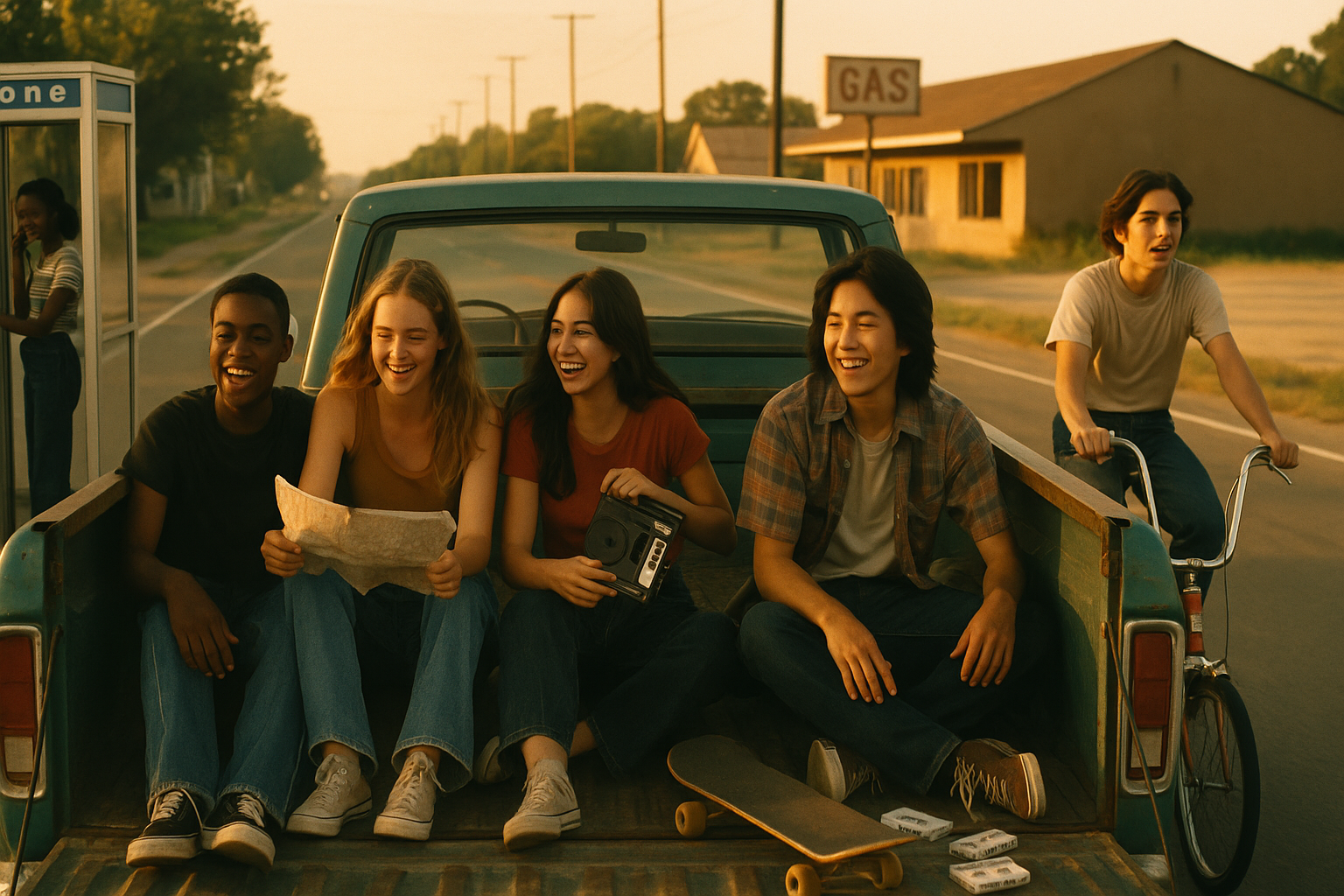
Before smartphones became a fixture of daily life, being a teenager looked remarkably different. There was no tiny supercomputer in every pocket capable of texting friends, streaming movies, and answering any question in seconds. Instead, teens had to figure things out through patience, creativity, and sometimes sheer boredom.
Many of those daily habits and struggles would feel almost impossible for today’s teens to handle, even for just 24 hours. Here are 10 of the biggest ones.
1. Waiting by the landline for a call
Before smartphones, if a teenager wanted to talk to their crush, they had to call the house phone. That meant risking an awkward conversation with a parent or sibling just to ask, “Hi, can I speak to Sarah?”
And if the other person said they’d call at 7 pm, there was nothing to do but sit by the phone—literally. No scrolling through TikTok to pass the time. Just staring at the wall, hoping the phone would ring.
Today’s kids, used to instant messaging and voice notes, might find this kind of patience unbearable.
2. Memorizing phone numbers
Once upon a time, most people knew the phone numbers of their best friends, their parents’ workplaces, and the local pizza shop by heart.
Now? Most teens don’t even know their own sibling’s number. Without contacts stored in a smartphone, calling someone meant dialing a string of digits from memory.
It was like having a personal database stored in the brain—and forgetting a number meant tough luck. The only backup was a crumpled scrap of paper or the phone book.
3. Using a paper map to get anywhere
There was no Google Maps calmly guiding teenagers with “turn left in 100 meters.” Instead, navigation meant unfolding a giant paper map, trying to figure out north, and hoping not to miss an exit.
Meeting friends in an unfamiliar part of town required writing down step-by-step directions or asking a gas station attendant for help.
Today’s teens would probably panic at the idea of finding their way without GPS. Getting lost wasn’t just a possibility—it was part of the adventure.
4. Waiting for photos to be developed
Taking a picture used to be an act of faith. A teen snapped a photo, wound the film, and had no idea if it turned out okay until days later when the prints came back from the shop.
No filters. No retakes. No deleting the one where someone’s eyes were half closed.
For today’s selfie generation, the idea of not seeing instant results—and not being able to post them online for likes—would feel completely alien.
5. Actually being unreachable
Before smartphones, if a teenager was out of the house, they were unreachable. That was it.
Parents who wanted to know where their kids were couldn’t track them with a “Find My iPhone” app. They just had to trust that their teenager would eventually come home when they said they would.
For today’s teens, who live in constant group chats, being cut off from notifications, snaps, and pings might feel like social exile.
6. Hanging out without entertainment on demand
When friends came over, there were no endless YouTube videos, streaming shows, or mobile games to kill time. Teens had to get creative.
Maybe they played cards, rode bikes, or just sat around talking about life. Boredom wasn’t something to escape with a tap—it was a spark for imagination.
Today, most teens would struggle to sit in a room with friends for an hour without reaching for a screen.
7. Waiting to hear a favorite song
Loving a song meant two options: sit by the radio and wait for it to play, or spend hard-earned savings on a CD or cassette.
There was no pulling it up on Spotify. A teenager might spend an entire afternoon with a blank tape in the stereo, ready to record the moment a favorite tune came on.
Imagine telling a teenager today that they couldn’t replay a song a hundred times in a row. They’d think it was torture.
8. Writing notes by hand
Before text messages, teens passed notes in class. Handwritten, folded in elaborate ways, and smuggled across desks when the teacher wasn’t looking.
Sometimes, a single note could take an entire period to write, decorate, and deliver. And losing it meant losing the only copy.
For teens raised on emojis and instant DMs, the effort of handwriting communication would feel painfully slow.
9. Renting movies (and dealing with late fees)
Movie night wasn’t about opening Netflix. It meant walking or biking to the local video rental store, browsing the shelves, and hoping the first choice wasn’t already rented out.
And forgetting to return it on time? Late fees. The dreaded enemy of every teenager’s allowance.
Today’s teens, used to infinite streaming libraries, would find this process way too much hassle for one movie.
10. Surviving pure boredom
This might be the hardest of all. Before smartphones, there were plenty of moments with absolutely nothing to do—waiting for a bus, sitting in a doctor’s office, or lying in bed at night.
There was no endless scroll to fill the silence. Teens just sat there, thought about life, and daydreamed.
Research in psychology actually supports the value of this kind of unstructured downtime. Studies have shown that boredom can stimulate creative thinking and deeper self-reflection. For today’s generation, even five minutes without stimulation can feel unbearable.
The hidden benefit of life before smartphones
It’s easy to laugh about how “hard” things used to be, but there’s a deeper point here too. Growing up without instant access to everything taught teens patience, resilience, and independence.
Waiting built anticipation. Getting lost built problem-solving skills. Boredom sparked imagination.
Most kids today would struggle to last a day without their devices—not because they’re weaker, but because the world has changed. The conveniences of smartphones have reshaped how people live and think.
But maybe, just maybe, there’s something valuable in occasionally disconnecting. In remembering what it was like to sit in stillness, to solve problems without Google, and to let life unfold at its own pace.
