

9 childhood experiences boomers had that could rarely happen today

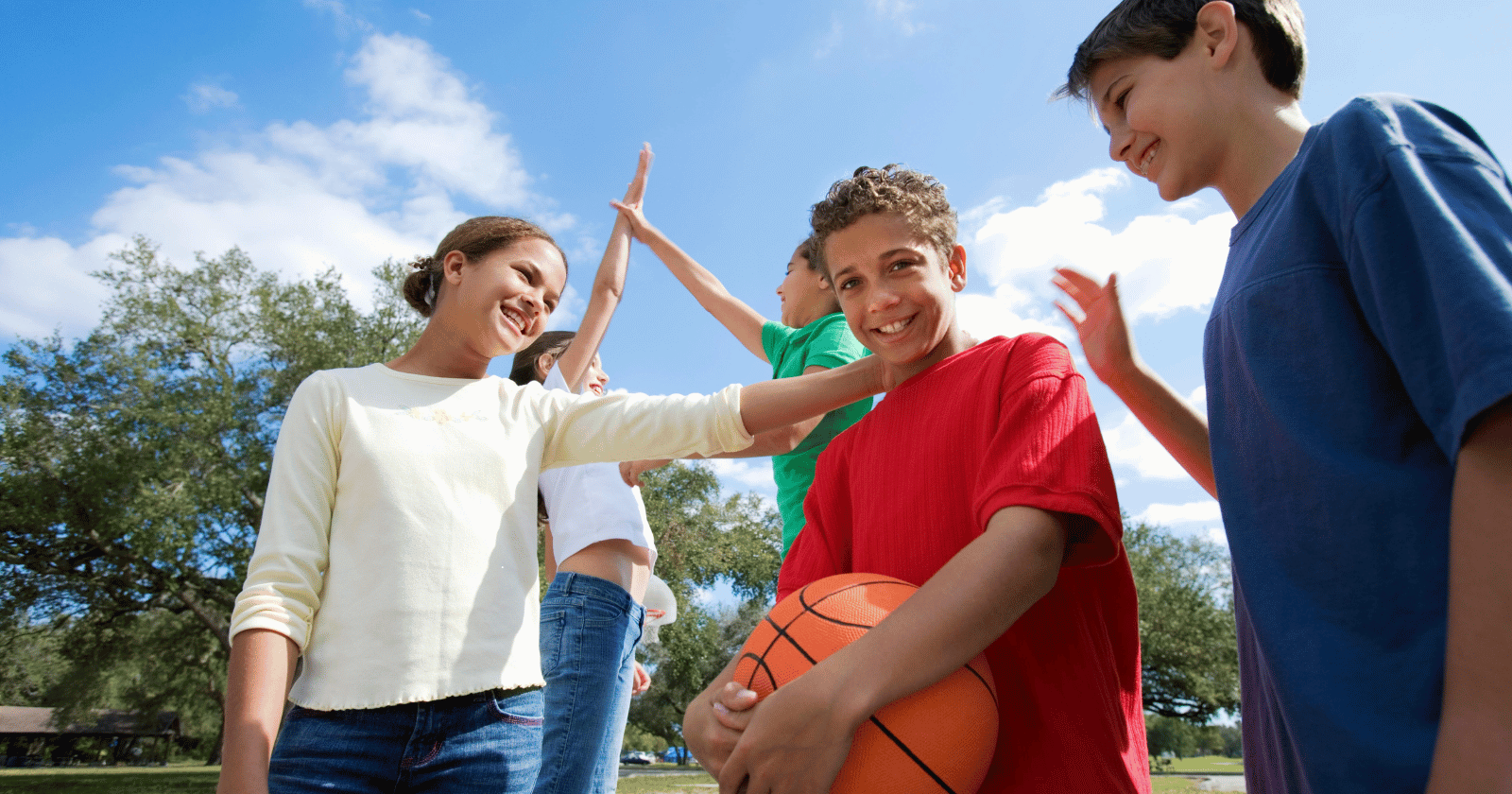
Every generation’s childhood feels like its own world. For boomers—those born roughly between 1946 and 1964—that world was one of looser rules, fewer safety nets, and a whole lot more freedom than kids have today.
It wasn’t always safer, smarter, or even healthier, but it was undeniably different.
Looking back now, some of the things boomers experienced sound almost surreal compared to the highly supervised, tech-driven childhoods of today.
And while not all of these experiences are worth bringing back, they highlight just how much our culture has shifted in a relatively short time.
Here are nine childhood experiences boomers had that kids today likely won’t ever know.
1. Riding bikes without helmets
Ask almost any boomer about their childhood, and bikes will come up fast. Two wheels were more than transportation—they were freedom.
You could leave home after breakfast, explore every corner of your neighborhood, and not return until the streetlights flickered on.
And helmets? Those weren’t even on the radar for most families. You learned to balance, you learned to fall, and you almost certainly have scars on your knees to prove it.
Compare that to today, where kids are strapped into gear that looks closer to motocross than a casual bike ride. Parents double-check chin straps, install reflective lights, and sometimes even track rides with GPS.
Of course, modern precautions save lives. But boomers’ helmet-free afternoons carried a sense of wild independence—an unspoken lesson that the world is big and yours to explore, bumps and bruises included.
2. Drinking water straight from the hose
There’s a certain taste that every boomer remembers: warm, slightly rubbery water straight from the garden hose on a hot summer day.
It wasn’t chilled, filtered, or stored in a stainless-steel bottle. It was whatever came out of the tap after sitting in the sun all morning. And for some reason, it always hit the spot after a sweaty game of tag or backyard baseball.
Fast-forward to now and parents are hyper-conscious about hydration.
Reusable bottles, BPA-free plastics, and filtered pitchers are the norm. The thought of a kid crouching in the grass with their mouth on the hose feels…wrong.
Yet, there was something grounding about those sips. They connected kids to the raw, unpolished rhythm of childhood—play hard, get dirty, drink what’s available, keep going.
3. Being left home alone at a young age
If you were eight or nine in the 1970s, there’s a good chance you had a key hanging around your neck. After school, you let yourself in, made a sandwich, and maybe flipped on the TV until your parents came home.
This “latchkey kid” phenomenon was so common that it became part of the cultural identity of an entire generation. Responsibility wasn’t optional—it was just part of life.
Today? Leaving an elementary schooler alone for hours would raise eyebrows—or possibly spark a call to child services. After-school programs, babysitters, and tightly scheduled activities fill in those hours instead.
While it wasn’t always ideal (some latchkey kids really did struggle with the loneliness), it gave boomers a taste of self-reliance that shaped them well into adulthood.
4. Playing outside all day without supervision
Boomer childhood was defined by long, unstructured days outside. You left home in the morning, met up with neighborhood kids, and invented games on the fly.
Sometimes you were playing stickball in the street. Sometimes you were building forts in the woods. Sometimes you were just wandering.
And the rules were simple: don’t get hurt too badly, and be home for dinner.
Compare that to today, where play is almost always supervised—whether at sports practice, a scheduled playdate, or under a parent’s watchful eye in the backyard.
Strangers, traffic, and endless “what if” scenarios keep most parents on edge.
It’s safer, no doubt. But boomers grew up with the gift of freedom—to create, to explore, to sometimes get lost and then find their way back again.
5. Riding in cars without seatbelts
If you grew up before the mid-80s, car rides were basically rolling playgrounds. Seatbelts were often tucked into the seat cracks, ignored, or even nonexistent.
Kids stretched out across the back seat for naps, knelt on the seats to wave at other drivers, or piled into the bed of a pickup truck for a joyride.
Today, even short trips mean car seats, booster seats, airbags, and safety checks. Parents wouldn’t dream of letting a kid climb around the back while the car is moving.
This shift shows how dramatically our culture has redefined “normal.” What once felt like everyday freedom now reads like recklessness.
And while the risks were very real, there’s no denying those seatbelt-free days left lasting, wild memories.
6. Buying candy for a penny
One of the sweetest parts of boomer childhood was literal sweetness. A single penny could buy you a jawbreaker, a handful of gumdrops, or a strip of licorice at the local corner store.
Armed with a few coins, kids could walk out with a bag full of treats and still have change left over. The ritual of choosing your candy, one piece at a time, was almost as enjoyable as eating it.
Now? A dollar barely covers a candy bar. Penny candy is mostly a nostalgic story told by grandparents, not something a kid today can actually experience.
It’s not just about inflation—it’s about independence. For boomers, candy wasn’t handed over by parents in prepackaged bags. It was earned, chosen, and enjoyed on their own terms.
7. Talking to strangers without fear
For boomers, neighborhoods weren’t just collections of houses—they were communities. Kids chatted with the mailman, waved to shopkeepers, and even accepted rides home from trusted neighbors.
The rule was simple: respect your elders. Parents didn’t worry much about stranger danger, and adults in the community often felt responsible for looking out for kids.
Today, the script has flipped. Parents drill into kids the dangers of strangers, and with good reason—awareness has grown. But in the process, we’ve also lost some of that organic connection between kids and the wider community.
Boomers grew up learning how to interact with adults in casual, everyday ways. That early social exposure taught confidence and people skills that aren’t always built in today’s more isolated childhoods.
8. Watching Saturday morning cartoons as an event
Before streaming, before YouTube, before “watch whatever you want whenever you want,” there was Saturday morning.
Boomers remember waking up early, pouring a bowl of sugary cereal, and staking out the TV for hours of cartoons. Looney Tunes, Scooby-Doo, and The Flintstones weren’t just shows—they were weekly events.
There was no rewinding if you missed an episode. No binge-watching entire seasons in one go. The scarcity made it exciting, something to look forward to all week.
Today, kids can stream an entire series in a weekend. Convenience is great, but it erases the magic of anticipation. For boomers, Saturday mornings felt sacred in a way kids now might never fully grasp.
9. Walking to school alone
Finally, let’s talk about the morning commute. Plenty of boomers walked—or biked—miles to school, rain or shine. You navigated traffic, carried your books, and maybe even stopped at a friend’s house along the way.
It wasn’t just transportation. It was a daily exercise in independence. You learned time management, street smarts, and how to handle yourself without adult oversight.
Now, school drop-off lines snake around the block, buses pick up kids at every corner, and walking unsupervised is rare.
It makes sense—modern traffic, schedules, and safety concerns all play a role. But it also means kids miss out on that little daily adventure, the feeling of getting somewhere entirely on their own.
Final words
Looking back, it’s tempting to romanticize boomer childhood as a golden age of freedom. But the truth is more complicated. Some of these experiences were fun and character-building; others were flat-out risky.
What’s undeniable is how quickly things have changed. In just a few generations, childhood has shifted from unstructured and unsupervised to carefully managed and highly protected.
The question isn’t whether one way is “better” than the other. It’s about balance.
Maybe kids today don’t need to ride in pickup trucks without seatbelts or drink from the hose, but could they use more chances to roam freely, test themselves, and build independence? Probably.
Eastern philosophy often reminds us of the middle way—the balance between extremes. Maybe the lesson here is to find a version of childhood that keeps the best of both worlds: the safety we’ve gained, and the freedom we’ve lost.
Because in the end, childhood isn’t about perfection. It’s about adventure, mistakes, learning, and growth. And every generation deserves a chance to find their own path through it.
