

If you can still picture these 8 things from your parents’ living room, you grew up middle class in the ’70s

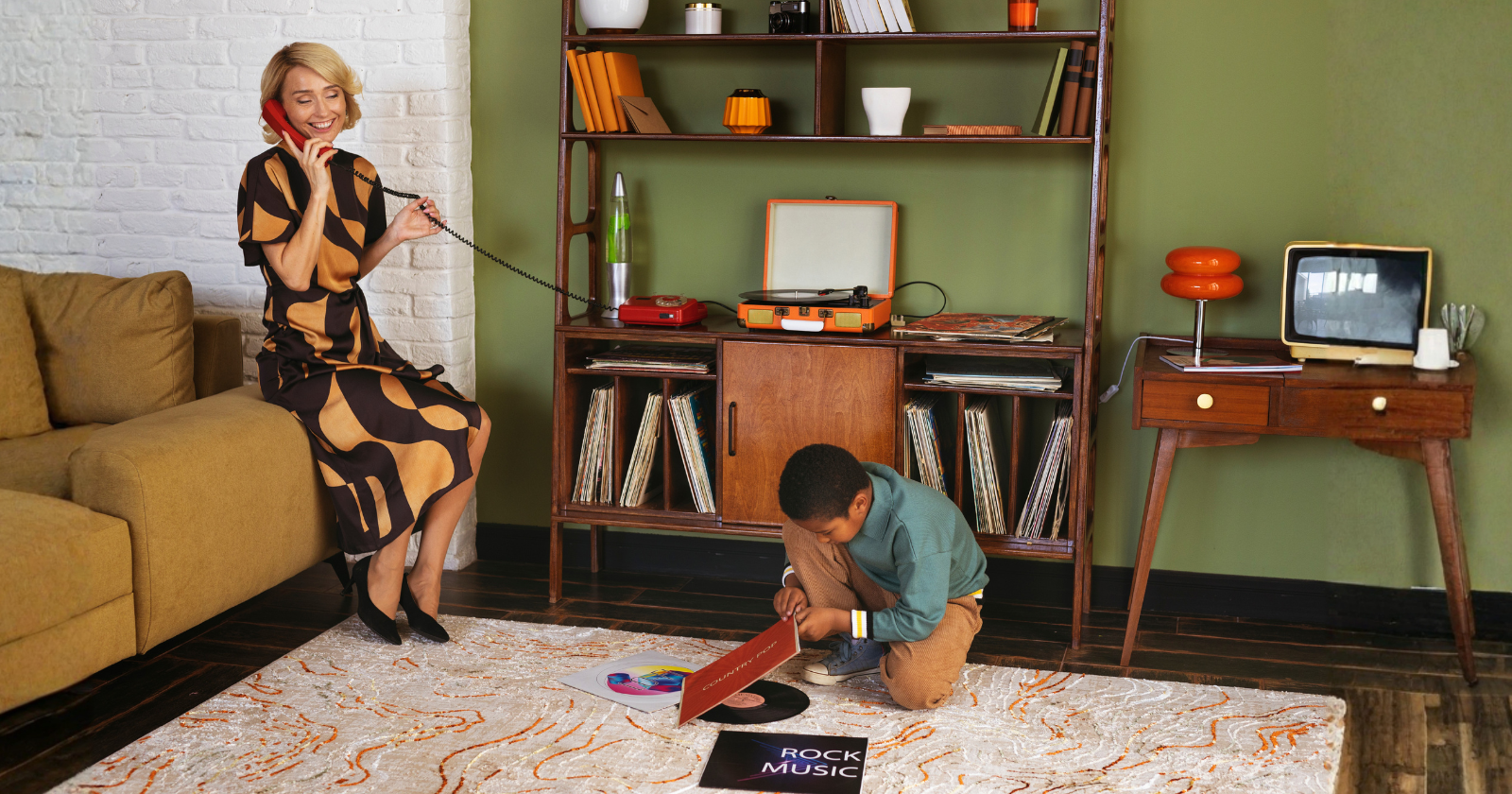
If you close your eyes and can still see your parents’ living room from the 1970s—the furniture, the colors, the smell of carpet cleaner mixed with wood polish—you probably grew up middle class in one of the most fascinating decades of modern history.
It was a strange mix of optimism and practicality. The economy was shifting, style was loud, and people were obsessed with “the good life,” even if it just meant avocado-colored appliances and a comfortable couch.
Your home didn’t need to be fancy—it just needed to feel solid, safe, and a little bit stylish.
The living room was the beating heart of that dream. It was where families watched TV together, where kids sprawled on shag carpet with snacks, and where parents proudly displayed everything they owned.
I wasn’t around in the ’70s myself, but I’ve spent enough time hearing stories (and studying how middle-class culture evolved) to know that decade had a vibe unlike any other. It was warm, slightly chaotic, and unapologetically human.
So let’s take a walk down memory lane. If you can still picture these eight things from your parents’ living room, there’s a good chance you grew up middle class in the golden age of the 1970s.
1. The wood-paneled walls
Let’s start with the classic: faux wood paneling.
If you grew up in the ’70s, you probably remember it—the dark, shiny boards that covered half the houses in America. It gave every room the same “cozy den” vibe, whether you were in the suburbs or a small town.
The funny thing is, it wasn’t even real wood most of the time. It was vinyl, printed to look like wood. But no one cared. It made a space feel warm and grounded—perfect for families who wanted their homes to feel “finished” without breaking the bank.
And it was more than a design choice—it reflected something deeper about that era.
Middle-class families in the ’70s valued comfort and stability. They weren’t chasing Scandinavian minimalism or high-end modern design. They wanted homes that felt solid, familiar, and safe. Wood paneling—fake or not—gave them that.
Sure, today it looks dated. But in its time, it was the ultimate symbol of homey sophistication.
2. The bulky console TV
This wasn’t just a television—it was a piece of furniture.
Console TVs were massive wooden boxes that dominated the living room. They often had decorative legs, a glossy finish, and maybe even a built-in record player or radio. You didn’t hide them—you built your life around them.
And remember: this was pre-Netflix, pre-cable. You had maybe five channels, and everyone watched the same shows at the same time.
There was something sacred about that ritual—sitting down as a family for The Brady Bunch, Happy Days, or MASH*. No phones, no second screens, just shared laughter (and the occasional argument over who got to turn the dial).
It’s wild to think about how communal that experience was. Today, everyone’s got their own screen and their own algorithm. Back then, entertainment was something you experienced together.
And when the picture tube finally gave out? That old TV often stayed right where it was. Because moving it was a two-person job—and besides, it made a great stand for the new one.
3. The patterned sofa (that could survive the apocalypse)
If you can still remember sitting on a couch that looked like it belonged in a disco club—orange, brown, maybe even with a floral or geometric pattern—you grew up in the ’70s middle class.
These couches were indestructible. They were built to survive kids, pets, and probably nuclear fallout.
I swear, if you spilled something on them, it just vanished. The fabric was so busy, so textured, that no one could tell.
And those patterns weren’t an accident. They were part of a design trend meant to hide wear and tear—because, again, practicality ruled.
Middle-class families weren’t redecorating every few years. You got a sofa, and it was with you for life. It was where the kids watched Saturday morning cartoons, where your parents drank instant coffee on weekends, and where guests sat when they came over for cake and conversation.
The sofa was the centerpiece of family life—a literal comfort zone that held the rhythm of everyday living.
4. The shag carpet that swallowed everything
Nothing says “’70s” quite like shag carpet.
It came in wild colors—mustard yellow, avocado green, burnt orange—and it was so thick that you could lose entire objects in it. Drop a coin or an earring? Gone forever.
Kids rolled on it, pets slept on it, and adults vacuumed it like it was a sport.
There’s something almost meditative about that era’s obsession with texture. In Eastern philosophy, there’s a saying that the home reflects the mind. Maybe the ’70s were chaotic, expressive, and experimental—and so were their carpets.
In today’s world of minimalism and neutral tones, that kind of maximalist comfort feels almost rebellious. But it worked. Shag carpet made homes feel alive, soft, and deeply lived-in.
And despite what interior designers might say now, there’s still something beautiful about that level of cozy imperfection.
5. The stereo cabinet that was basically sacred
This was one of the ultimate symbols of middle-class success in the ’70s: the home stereo system.
You didn’t just have a radio—you had a cabinet. A giant wooden structure with speakers, knobs, and shelves full of records.
And let’s be honest—no one touched Dad’s stereo.
It was a shrine to good taste. Maybe he played The Eagles or Fleetwood Mac, or maybe it was ABBA, Simon & Garfunkel, or the Saturday Night Fever soundtrack. Whatever it was, music wasn’t background noise—it was an event.
The living room became a concert hall. The smell of vinyl sleeves, the soft crackle before the first note—it was all part of the ritual.
In a way, that stereo represented the best of the ’70s middle class: aspiration mixed with appreciation. People weren’t rich, but they cared about quality. They saved up for things that mattered.
Today we have endless playlists on Spotify, but somehow, it feels less personal. There was a kind of mindfulness in physically choosing a record, putting it on, and really listening.
6. The bar cart (even if no one actually drank)
If you had a bar cart or a built-in home bar, congratulations—you were officially sophisticated (at least in your parents’ eyes).
Even if it barely got used, it was a must-have feature of the 1970s living room.
It was all about the look: decanters filled with mysterious amber liquid, delicate glassware, and maybe a bottle of vermouth that had been there since Nixon was president.
The truth is, for many middle-class families, the bar cart wasn’t about drinking—it was about aspiration. It symbolized adulthood, hospitality, and a certain type of success.
People wanted to feel like they’d “made it,” even if they never touched the fancy gin or dusty cocktail shaker.
It’s funny how trends like this reveal what people valued most—not luxury itself, but the feeling of being part of something refined.
7. The family photo wall
Before iPhones, Instagram, and cloud storage, your memories lived on film—and they were proudly displayed.
Almost every living room had a “photo wall” or a console covered with framed pictures: graduations, weddings, birthdays, awkward school portraits.
It didn’t matter if the frames matched or if the lighting was bad. The point was to show your life.
In psychology, we know that visual reminders of family strengthen identity and belonging. Back then, you didn’t need an app to remind you who mattered—your parents literally hung the evidence on the wall.
Those photos weren’t decoration—they were emotional anchors. And every visitor saw them, which meant family pride was always on display.
It’s something we’ve lost a bit in the digital age. Our memories live in phones now, rarely printed or touched. But maybe there’s something sacred about having your story on a wall instead of a screen.
8. The decorative “conversation pieces”
Finally, no ’70s living room was complete without at least a few weird, wonderful knick-knacks.
Maybe it was a ceramic owl, a macramé wall hanging, or one of those glass grapes on a coffee table. Maybe a lava lamp that fascinated you for hours, or a globe that doubled as a secret liquor cabinet.
These weren’t random clutter—they were conversation starters.
People expressed themselves through decor back then. Hobbies, travel souvenirs, craft projects—they all made their way into the living room.
My parents still have some of those pieces, and while they laugh about them now, they were symbols of creativity and individuality.
We talk a lot these days about “curating” our homes for aesthetic perfection, but the ’70s weren’t about that. They were about expression. Every object told a story.
That’s something I think we could all use a bit more of.
Final words
If you can still picture even half of these things, you probably grew up in a home that was warm, lived-in, and full of life.
It wasn’t perfect—there was clutter, there were stains, and there were questionable color choices—but it was real.
The ’70s middle-class living room wasn’t about trends or status. It was about belonging. It was about family, pride, and creating a space that felt safe in a world that was changing fast.
And maybe, that’s what nostalgia really is—a longing for the time when enough truly was enough.
Sure, today’s homes are sleeker, smarter, and far more organized. But they rarely have that same personality—that mix of warmth and imperfection that made every living room feel like a memory waiting to happen.
So maybe the lesson from the ’70s isn’t just about decor. It’s about remembering that comfort, connection, and authenticity never go out of style.
Because long after the shag carpet and wood paneling are gone, the feeling of that room—the laughter, the safety, the sense of home—will always stay with you.
