

People who move out of the way for strangers’ pictures usually share these 8 personality traits

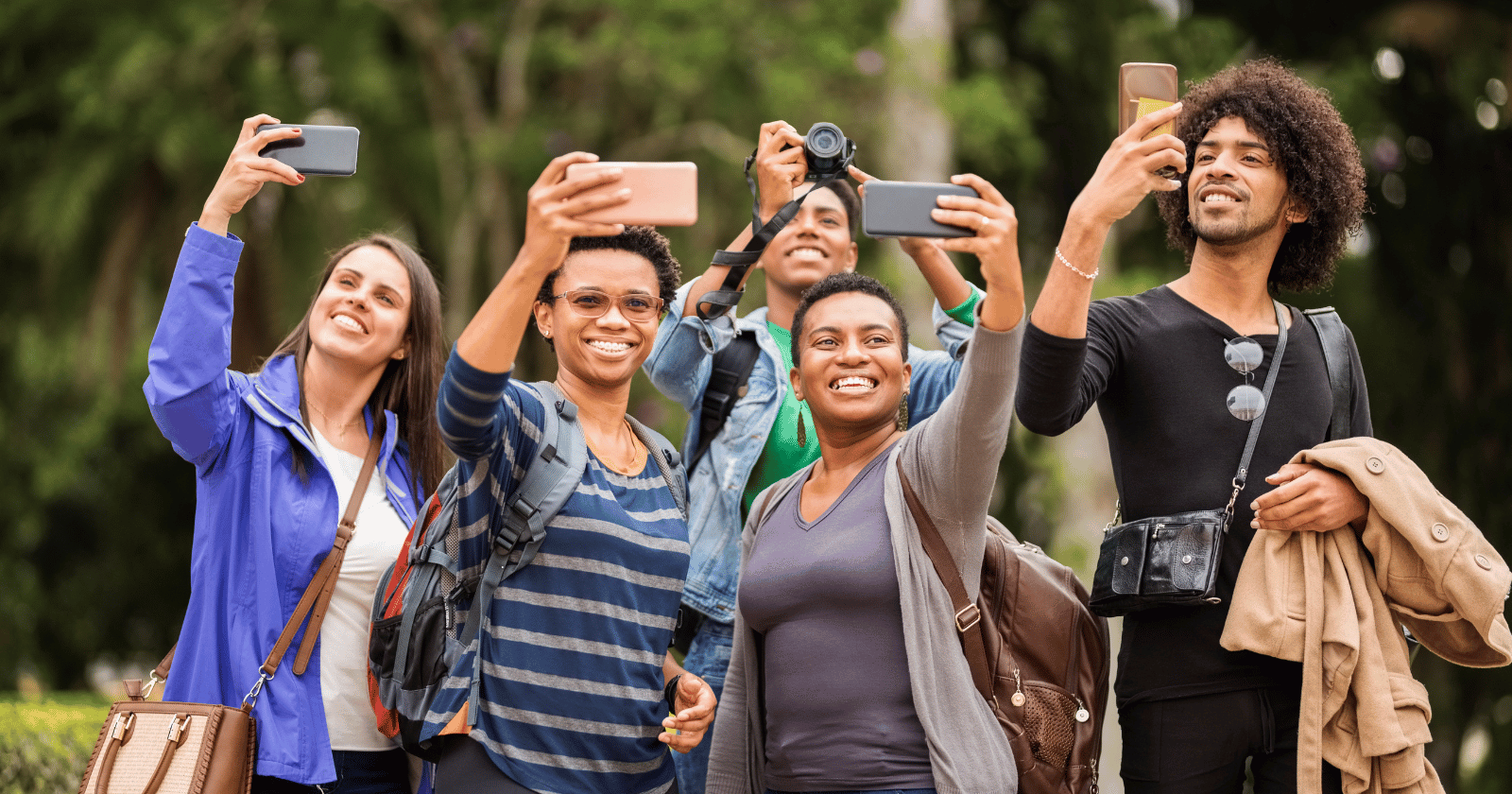
You’ve seen it before. Someone’s trying to capture a perfect shot—maybe in front of a mural, a skyline, or their partner doing something goofy. And without being asked, a total stranger notices and casually steps out of the frame.
No sigh. No eye-roll. No big announcement. Just a quick glance, a shift to the side, and they’re gone.
It’s a small gesture, sure. But the kind of small gesture that reveals a lot.
Because let’s be real: most people are so tuned into their own world that they don’t even notice what’s happening five feet away from them, let alone think, “Hey, maybe I’m in someone’s shot.”
So what makes these quiet, camera-conscious people different?
I’ve thought about this more than I probably should’ve—and I’ve come to believe that people who do this share some pretty consistent personality traits.
Traits that spill over into how they live, how they relate to others, and how they see the world.
1. They’re naturally considerate
This one might sound obvious—but I’m not just talking about textbook politeness.
I’m talking about that instinct to think about others, even when it’s inconvenient. Even when no one’s watching. Even when there’s zero reward.
It’s one thing to hold the door open because you were raised that way. It’s another to notice you’re blocking someone’s once-in-a-lifetime photo and quietly step out of the way without being asked.
That’s real-time, situational empathy. The kind that doesn’t wait for a prompt. It just does.
And in my experience, people who act like this in small moments? They bring the same energy into their relationships, their workplaces, and even their DMs. They’re just wired to care—without making a big thing out of it.
2. They think beyond themselves
Let’s zoom out (pun intended).
When someone moves out of the way for a stranger’s picture, they’re doing something a little deeper than being polite. They’re recognizing that they’re not the center of the scene.
They’re acknowledging that someone else’s experience—someone else’s memory, moment, or connection—is unfolding at the same time as theirs. And they’re willing to adjust.
This aligns with social psychology research on civil inattention—the unspoken, respectful practice of privately noticing others without calling attention to oneself. It preserves both presence and privacy in shared spaces.
This is something I’ve noticed in people who think in systems, not silos. They understand that their actions ripple out.
That their presence isn’t isolated. That how they show up in the world affects others—even in tiny, fleeting ways.
It’s a mindset. And it’s rare.
3. They act with kindness even when no one’s watching
One of the big ideas in Eastern philosophy—especially Buddhism—is the concept of right action. Basically, doing what’s ethical or skillful, even if it doesn’t benefit you directly.
People who step aside for someone else’s photo? That’s right action in sneakers and sunglasses.
They’re not doing it for applause. They’re not hoping someone will write a Reddit thread about them titled “Wholesome Encounter at the Eiffel Tower.”
They just do it.
And that quiet, unfussy kindness tends to show up in other areas of life too—like checking in on friends without an agenda, helping out at work without chasing credit, or volunteering because it matters, not because it looks good on LinkedIn.
4. They’re emotionally intelligent
Here’s where it gets interesting.
To notice that someone’s trying to take a picture, interpret their body language, and respond without disrupting anything? That requires a pretty sharp level of emotional intelligence.
You’ve got to be aware of your surroundings, yes—but also tuned into nonverbal cues, like the way someone holds up their phone, or the way their friend’s adjusting their pose.
And you have to respond appropriately. No flailing. No awkward shuffle. Just a quick, graceful move that doesn’t make it about you.
Research confirms that high emotional intelligence includes the ability to accurately perceive and interpret nonverbal communication—facial expressions, eye contact, tone, posture—and then respond appropriately.
Emotional intelligence isn’t just about reading a room. It’s about responding in ways that respect everyone in it.
These are the kinds of people who make excellent teammates, calm negotiators, and safe spaces in human form.
5. They have strong situational awareness
Some people could walk straight through a wedding photoshoot and not realize until someone yells at them.
Others notice what’s happening around them—even in subtle ways.
The difference? Situational awareness.
And the people who sidestep out of the way for a stranger’s photo almost always have it.
They’re the ones who grab the last umbrella from the café table rack and offer it to the older lady behind them.
They see a couple quietly arguing in public and instinctively give them space. They hear a shift in tone during a meeting and know when to speak up—or when to stay quiet.
Being observant doesn’t mean being on edge. It means being tuned in. These people know what’s happening around them without needing a flashing neon sign to get the memo.
6. They’re calm under pressure
Let’s say you’ve just realized you’re blocking someone’s shot. You feel that moment of “oh crap,” and you need to react.
Do you freeze up? Do you apologize profusely and trip over yourself trying to get out of the way?
Or do you just… move?
People who are calm under pressure tend to go with the latter.
They don’t let small embarrassments derail them. They don’t overreact to little social hiccups. They stay composed, make a quick decision, and move on.
That same energy translates into how they handle conflict, deadlines, parenting meltdowns—you name it.
They’re not checked out. They’re just grounded.
7. They’re secure in themselves
This is one of the most underrated traits on this list.
To do something helpful without drawing attention to it requires a certain level of self-assurance.
You’re not doing it to be seen. You’re not doing it to “prove” anything. You’re not even really thinking about how you look doing it.
You just are.
People like this don’t over-identify with their actions. They don’t need every good deed to be part of a personal brand. They’re not looking to be the hero of someone else’s story.
They’re just being decent humans. And that kind of secure, low-key confidence? That’s rare.
8. They believe small actions matter
This might be the biggest one of all.
Because here’s the truth: people who move out of the way for a stranger’s photo believe—consciously or not—that small actions create a better world.
Not in a cheesy, “be the change” kind of way. But in the way that understands how tiny choices stack up over time.
They know that holding space for someone, showing respect, or reducing friction in public spaces—all of it adds up.
Maybe not in measurable data points, but definitely in energy, in community, in how we experience the world together.
They’ve internalized something a lot of people miss: You don’t have to change the world to improve it.
Sometimes you just need to not ruin someone’s photo.
Final words
People who move out of the way for strangers’ pictures are doing something that goes way beyond basic manners.
They’re practicing mindfulness in motion. They’re respecting space, tuning in to context, and making real-time decisions that prioritize other people’s experiences.
It’s subtle. It’s unglamorous. And it says more about someone’s character than a thousand curated Instagram bios ever could.
I’ve met a lot of people in my travels—backpackers, entrepreneurs, monks, baristas, overworked parents—and the ones I keep coming back to?
They’re not always the loudest, most accomplished, or most impressive. But they’re the ones who’d quietly step aside so you can capture a memory.
And that tells you just about everything you need to know.
