

People who enjoy being alone may not be antisocial but possess these 7 rare qualities

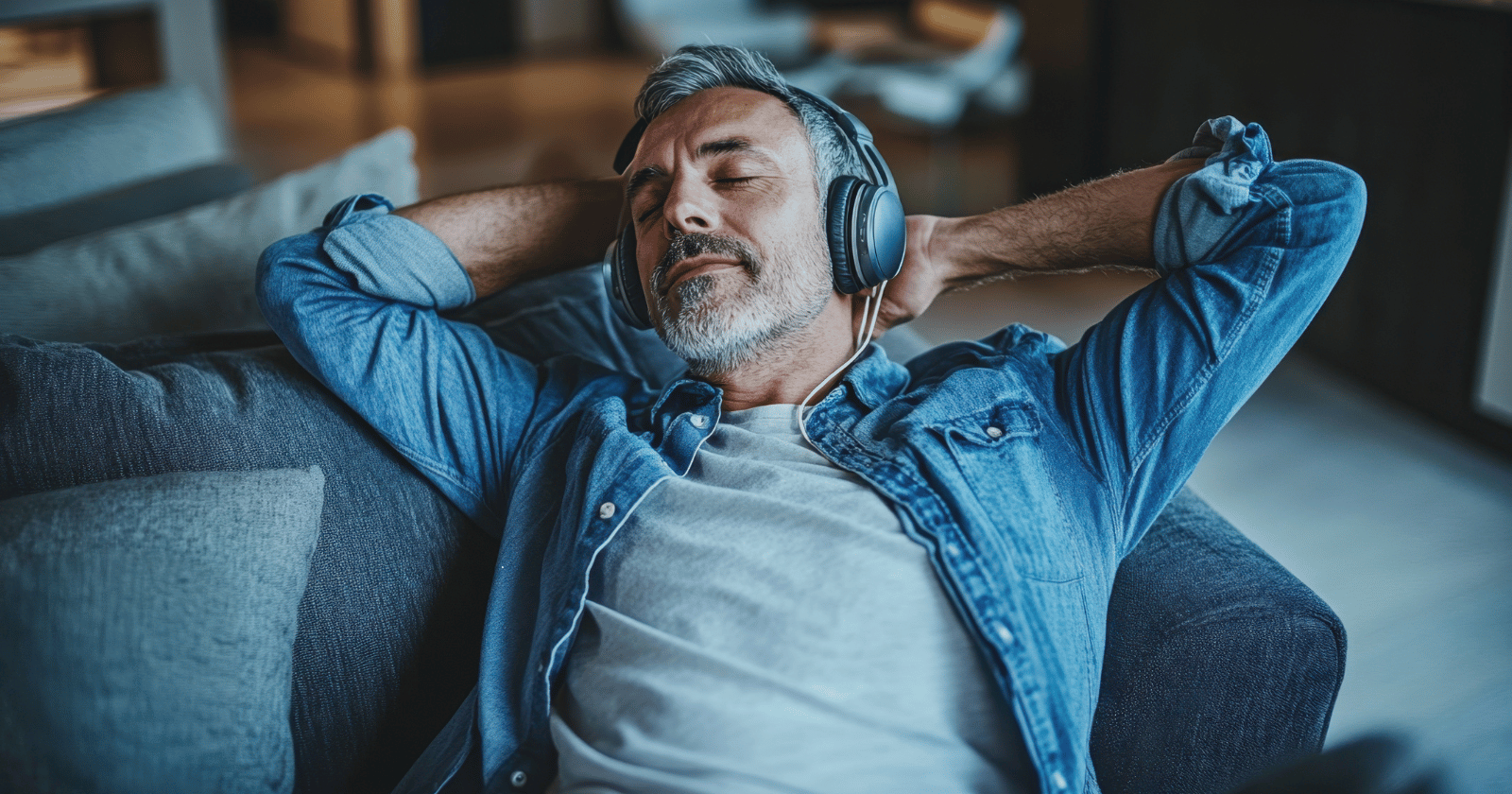
There’s a big difference between being alone and being lonely.
When I was younger, I used to avoid being alone. Silence made me uncomfortable, as if it highlighted everything I didn’t want to face. But as I got older and started doing inner work, I learned that solitude isn’t something to run from.
It’s something to lean into.
The truth is, people who genuinely enjoy being alone aren’t cold, antisocial, or detached from the world. Psychology says they often possess a set of rare qualities that many people spend years trying to cultivate.
Let’s explore what those are.
1. They have emotional self-awareness
When you spend time alone, you start hearing your own thoughts more clearly.
That can be uncomfortable at first, especially if you’ve been avoiding your emotions for years.
But people who enjoy solitude tend to have developed emotional self-awareness. They’re able to recognize when they’re feeling off and understand where it’s coming from.
They don’t rely on external noise to distract themselves from their inner state.
According to Dr. Tasha Eurich, an organizational psychologist and author of Insight, “Self-awareness is the meta-skill of the 21st century.” It helps people make better decisions, improve relationships, and live with more intention.
And solitude gives you that mirror.
When you get comfortable being alone, you get comfortable being honest with yourself, even when the truth isn’t flattering.
2. They value quality over quantity in relationships
One of the biggest misconceptions about people who enjoy solitude is that they dislike people.
That’s rarely true.
They just prefer meaningful connections over surface-level small talk.
I’ve learned that solitude teaches you to guard your energy. When you stop constantly filling your schedule with social interactions, you become selective with who gets your time.
You’d rather have a few genuine people around you than a dozen casual acquaintances.
In social psychology, this aligns with what’s called the “depth over breadth” principle, the idea that deep, emotionally honest relationships bring more satisfaction than numerous superficial ones.
People who enjoy their own company understand this deeply. They don’t isolate; they curate.
3. They possess high levels of creativity
Solitude fuels creativity.
Some of my best ideas, both in writing and in life, have come during quiet moments when my mind wasn’t crowded by external voices.
According to research covered by the Personality and Social Psychology Bulletin and summarized in the Greater Good Science Center, solitude can stimulate creative thinking by giving people space away from judgment and distraction.
When you’re alone, you’re not performing for anyone. You don’t have to edit your thoughts or worry if they make sense. That mental freedom gives rise to originality.
Many great thinkers and artists throughout history, from Nikola Tesla to Virginia Woolf, were known to cherish solitude. Not because they disliked people, but because alone time gave their minds room to expand.
So if you enjoy being alone, don’t feel guilty. You’re giving your creativity the oxygen it needs.
4. They’re emotionally independent
People who enjoy being alone don’t depend on constant validation to feel secure.
They’ve learned how to self-soothe.
For me, this shift happened after I realized how much my self-worth used to depend on others’ opinions. When I stopped chasing approval, I noticed a quiet sense of strength growing within me.
As Sue Patton Thoele puts it: “Having emotional independence means we are no longer tied to the need for constant approval and are, therefore, not coerced into doing more than we feel comfortable doing.”
It doesn’t mean you never need anyone. It means you know how to stand steady when no one else is around.
That’s not antisocial. That’s emotional maturity.
5. They’re deeply observant
Solitude sharpens your senses.
When you’re not constantly surrounded by people or external stimulation, you start to notice the subtle details, how someone’s tone changes mid-sentence, how your energy feels in different environments, how the world slows down when you do.
People who enjoy being alone tend to observe rather than react. They analyze patterns, behaviors, and energy shifts that others might miss.
And often, they’re the ones friends come to for perspective, because they see things others overlook.
This level of observation also makes them more empathetic. They understand that everyone is fighting a battle we can’t always see.
But that awareness starts internally, by observing their own thoughts without judgment.
6. They’re comfortable with silence
A lot of people fear silence.
It’s the space where the truth gets loud.
But those who embrace solitude have made peace with it. They know that silence isn’t empty, it’s full of answers if you’re patient enough to listen.
I used to fill every quiet moment with music, podcasts, or messages. Now, I find myself sitting on the couch with my cats, just listening. The hum of the air conditioning. The faint traffic outside. The small movements of life happening quietly.
That kind of stillness calms your nervous system. It gives your mind room to process emotions and your body a chance to rest.
People who fear silence are often uncomfortable with themselves. People who love it have learned to be their own safe space.
7. They’re guided by strong inner values
When you spend time alone, you’re forced to get clear on what actually matters to you.
You stop chasing trends, opinions, or external expectations and start aligning your actions with your principles.
For me, solitude helped me realize how much I value honesty, reliability, and respect. I’ve learned that peace comes from consistency, not chaos.
People who enjoy being alone tend to operate with a quiet kind of integrity. They don’t need to announce their values; they live them.
And because they’re not desperate for approval, they make decisions that reflect who they truly are, not who others expect them to be.
Before we wrap up, let’s not forget something important.
Choosing solitude isn’t rejection, it’s redirection. It’s choosing self-connection over superficial noise. It’s the difference between loneliness and peace.
Final thoughts
People who enjoy being alone aren’t weird or antisocial.
They’re emotionally self-aware, independent, observant, and aligned with what matters. They’re comfortable in silence, creative in thought, and selective in connection.
And maybe, in a world that glorifies constant noise and connection, these qualities are what make them rare.
So if you’re someone who genuinely enjoys your own company, don’t apologize for it.
It might just mean you’ve built a home within yourself.