

The unspoken wisdom of people who embrace solitude

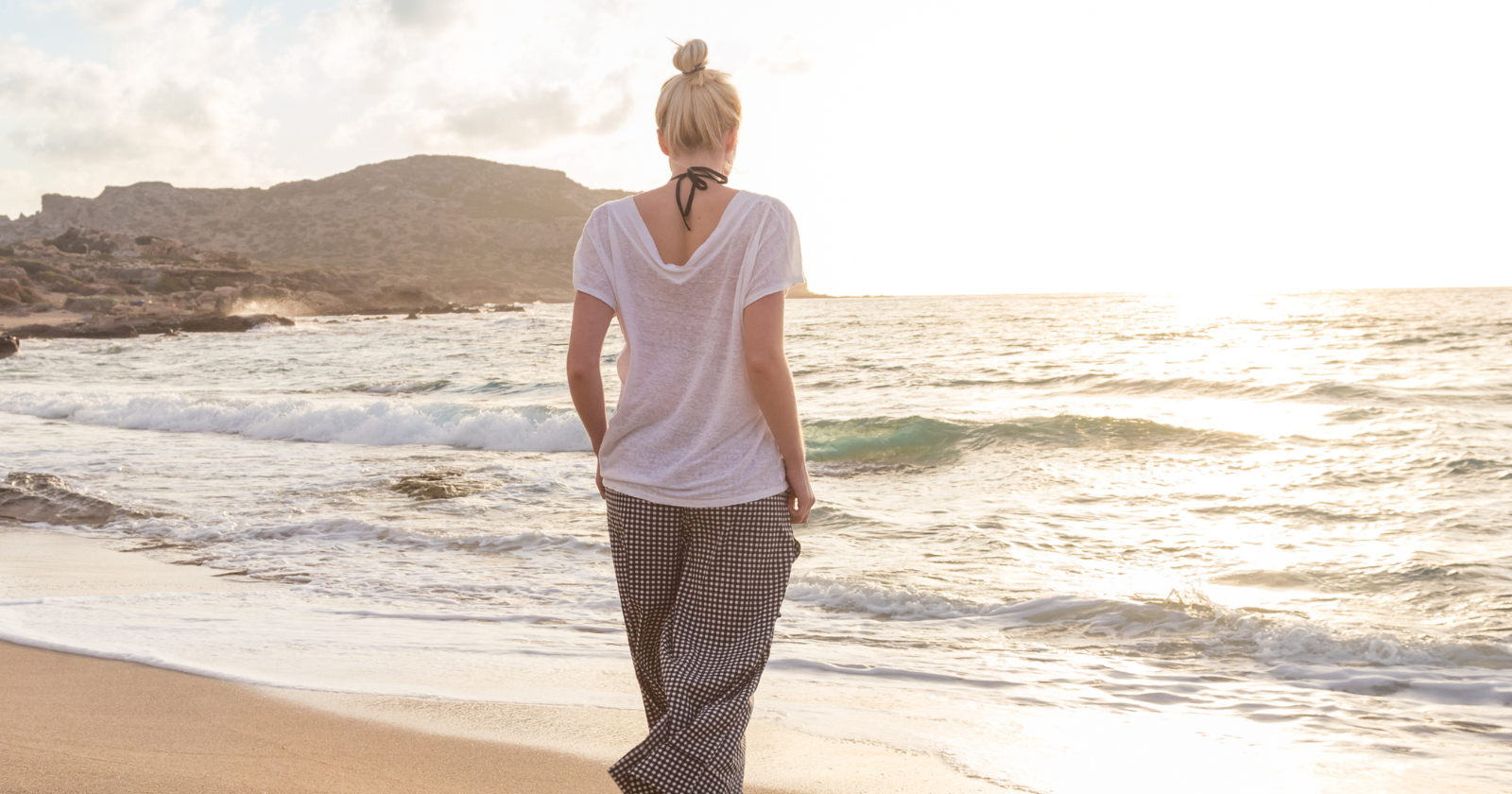
Not everyone gets it when you say you enjoy spending time alone.
You’ll hear things like “Aren’t you lonely?” or “Don’t you want to be around people more?” as if the absence of noise equals the absence of meaning.
But if you’ve ever truly embraced solitude—not just being alone but being present in that aloneness—you know it holds something deeper.
Something quiet, but powerful.
Solitude isn’t empty. It’s full of wisdom, if you’re willing to listen.
Let me explain.
It teaches you to hear your own voice
When you’re constantly surrounded by others, their opinions, their energy, their needs, it’s easy to lose track of your own voice.
Think about what happens when you go for a long walk alone—no phone, no itinerary, just you and the path ahead.
At first, your mind races. But after enough time in silence, the thoughts start to settle.
That’s when you begin to hear what you really believe, not what others expect of you.
When you strip away the external noise, your internal compass gets louder.
It’s why some of the clearest decisions people make are born in solitude, not in brainstorming sessions or group chats.
It strengthens your emotional resilience
Let’s be honest, being alone can be uncomfortable, especially if you’re used to constant distraction.
But learning to sit with yourself, without reaching for your phone or someone to talk to, builds something most people avoid: emotional endurance.
You start to notice your thoughts more clearly. You recognize when anxiety bubbles up, when boredom kicks in, when old emotions resurface.
And instead of pushing them away or distracting yourself, you learn to sit with them.
That’s how emotional resilience grows, not through avoiding discomfort, but by facing it head-on, in your own company.
It deepens your relationships, not weakens them
This might sound counterintuitive, but the more comfortable you get with solitude, the better your relationships tend to become.
Why? Because you no longer enter them from a place of neediness.
When you’re okay with being alone, you don’t chase people just to fill a void.
You’re able to show up more present, more authentic, and more grounded. You’re not trying to be liked, you’re trying to be real.
There’s a huge difference between connecting out of wholeness and connecting out of fear of being alone.
Solitude helps you see the difference.
It’s where creativity flourishes
Have you ever noticed that your best ideas come in the shower? Or while walking alone? That’s not a coincidence.
When your brain isn’t being bombarded by inputs, it has space to make unexpected connections. That’s why solitude is a breeding ground for creativity.
I’ve written some of my best work after hours of being unplugged, away from everyone, just thinking or walking or journaling.
It’s in the stillness that ideas take shape.
It invites you to meet yourself without judgment
This one is a little harder to explain. But I think most people avoid solitude because they’re afraid of what they might find in the silence.
Old regrets, harsh self-talk, doubts—those things come up when the distractions are gone.
But here’s the thing. That’s not a bad thing.
Solitude gives you the opportunity to face what’s inside of you. And if you can do that without flinching, you start to build self-trust.
You begin to meet yourself as you are, not as you pretend to be.
That kind of inner honesty is rare and it’s the foundation of real growth.
It helps you realign your priorities
I remember a time when my calendar was packed with back-to-back meetings, meetups, and side projects.
I was exhausted, but I kept going because I thought that’s what success looked like.
Then one weekend, everything got cancelled. No plans. Just me, my thoughts, and a quiet apartment.
At first, I hated it. I kept reaching for something—anything—to do.
But eventually, I sat down and started journaling. I asked myself: What’s actually important right now? What’s just noise?
That weekend changed how I structure my days.
Solitude helped me step back and ask bigger questions. And those questions led me to better answers.
It’s not about isolation—it’s about connection
There’s a big difference between solitude and loneliness. One is chosen. The other is imposed.
When I choose solitude, it’s not because I’m shutting people out. It’s because I’m tuning in.
To myself. To life. To something deeper that I don’t always notice when I’m rushing around.
In fact, the times I feel most connected to something bigger than myself often happen when I’m alone: watching the sunrise, meditating, walking in nature.
That’s why solitude isn’t selfish. It’s soulful.
It gives you space to live with intention
We live in a culture of speed. Everything’s about the next thing: next achievement, next notification, next distraction.
But solitude invites slowness. And with slowness comes intention.
When you’re alone, you can ask yourself: Why am I doing this? Is it aligned with what matters to me? Or am I just reacting to life on autopilot?
To pause before you act. To create space between stimulus and response.
