

The people who seem most at peace in retirement may not be the ones who stayed busy. They’re the ones who sat with the emptiness long enough to discover it wasn’t empty at all.

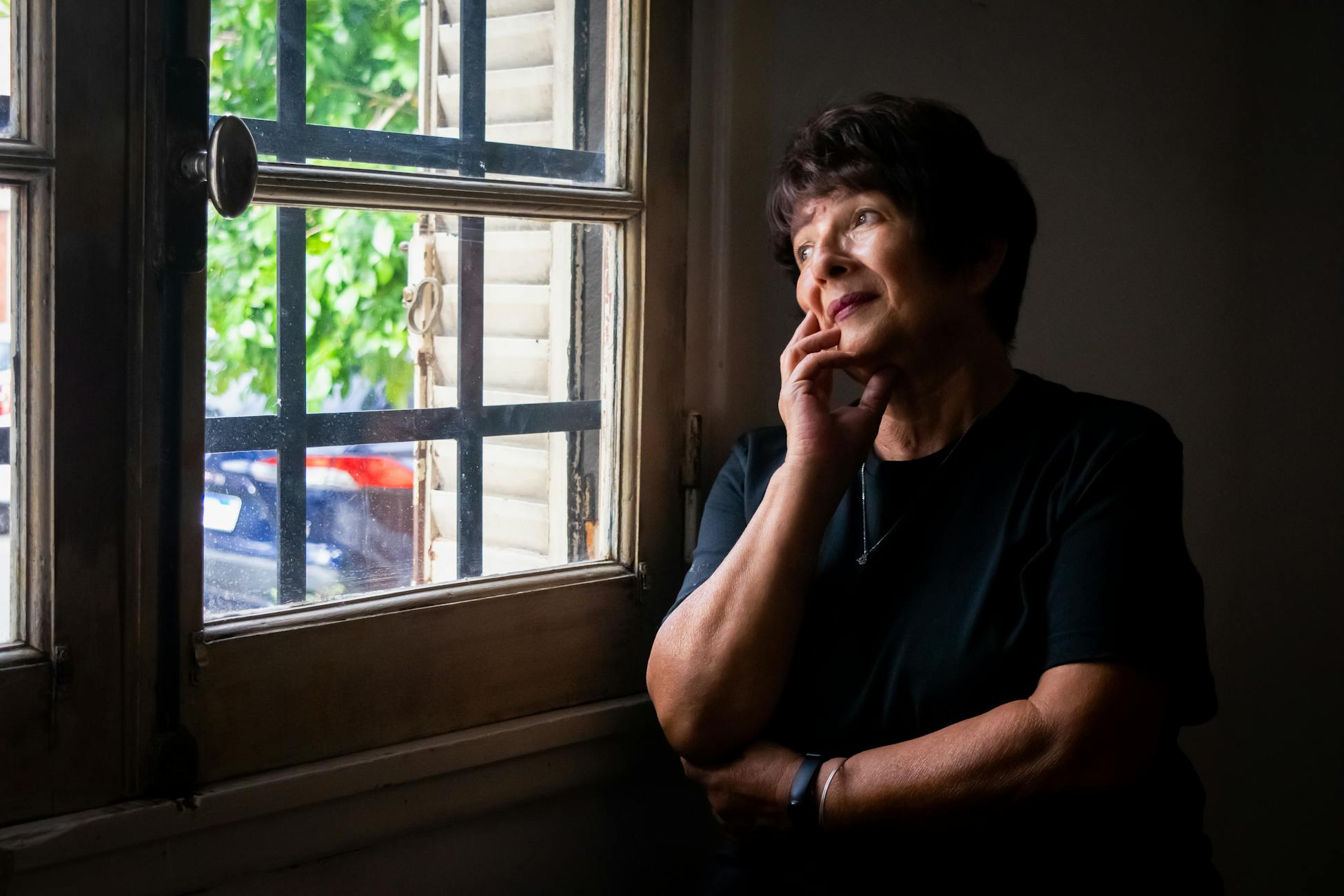
Busyness after retirement is widely celebrated as a sign of healthy adjustment, and that assumption is almost entirely wrong. The retired person who volunteers four days a week, joins three committees, and takes up pickleball before the farewell cake has gone stale receives admiration from friends, family, and even their GP. The one who sits in a quiet house for months, staring out windows and declining invitations, worries everyone. The people who reach genuine peace almost always took the second path first. They went through the emptiness. They didn’t go around it.
The conventional wisdom about retirement adjustment says: stay active, maintain routine, keep socially engaged. The research on retirement pathways confirms that many retirees struggle significantly with the transition, and the standard prescription for that struggle is almost always more activity. More structure. More purpose-seeking. That framing misses something fundamental. Activity can be medicine, yes. But it can also be anaesthesia.
I know this because I lived it. When I retired from my role as Associate Director of Teaching and Learning at a major Australian TAFE institute, I didn’t immediately fill my calendar. I wanted to. Every instinct I’d developed across twenty-plus years in executive education screamed at me to be useful, to show up, to solve something. Instead, what happened was a six-month identity crisis that no amount of scheduling could have prevented. The emptiness arrived whether I invited it or not.
What surprised me was what the emptiness actually contained.
For the first several weeks, it contained grief. Pure, disorienting grief for a version of myself that no longer existed. I’ve written before about how people who built their identity around professional competence don’t retire from a job but from themselves. That wasn’t an observation I made from a comfortable distance. I was the case study. The person who had been described as reliable for decades suddenly had nothing that required reliability. The silence in the house wasn’t peaceful. It was accusatory.
Then, gradually, the grief thinned. Not disappeared. Thinned. And underneath it was something I hadn’t expected: curiosity. A slow, tentative wondering about who I might be without the professional scaffolding. That wondering couldn’t have emerged if I’d been chairing a committee. It needed space. Enormous, uncomfortable, unstructured space.
Robert, a former engineering executive, described his first year of retirement as “eighteen months of trying to outrun a feeling I couldn’t name.” He took Italian classes. He renovated his kitchen. He trained for a half-marathon. He was exhausted by October and no closer to settled. When he finally stopped, not out of wisdom but out of burnout, the feeling caught up. It was loneliness, but not the social kind. It was an unfamiliarity with himself. He’d spent forty years responding to external demands and had no practice sitting with internal ones.
Robert’s story is remarkably common among the high-achievers I know. I’ve explored before how the qualities that made people excellent at working are often the same ones that make purposelessness unbearable. Discipline, drive, responsiveness: these traits don’t evaporate at retirement. They just lose their object. And without an object, they turn inward and become a relentless internal pressure to perform for an audience that no longer exists.
The people who seem most at peace, the ones whose contentment isn’t frantic or performative, tend to share a common experience. They hit the emptiness. They stayed there. And they discovered that the emptiness was actually a doorway to a quality of attention they hadn’t experienced since childhood.
Research on solitude and wellbeing has helped reframe how we think about being alone. As psychologists have described, being alone has genuine psychological benefits that get buried under our cultural panic about loneliness. Solitude isn’t the same as isolation. Chosen stillness isn’t the same as abandonment. The distinction matters enormously in retirement, where the pressure to stay constantly connected can actually prevent the deeper reckoning that leads to lasting peace.
There’s a related body of research on motivations for solitude that distinguishes between people who are alone because they’re avoiding others and people who are alone because they genuinely find solitude restorative. The second group consistently reports higher wellbeing. The critical variable isn’t the amount of time spent alone. It’s the reason for it. Retirees who sit with emptiness by choice, rather than collapsing into it, tend to emerge with a relationship to themselves that busyness could never have built.
I think about this when I watch my husband with his binoculars in the garden, tracking a bird I haven’t even noticed. He isn’t doing anything that would register on a productivity metric. He’s absorbed. Present. The kind of attention he brings to birdwatching is the same quality of attention that the most settled retirees eventually develop toward their own interior lives. Unhurried noticing. Not fixing, not optimising, not performing. Just witnessing.
That kind of presence doesn’t arrive on command. It arrives after you stop commanding.
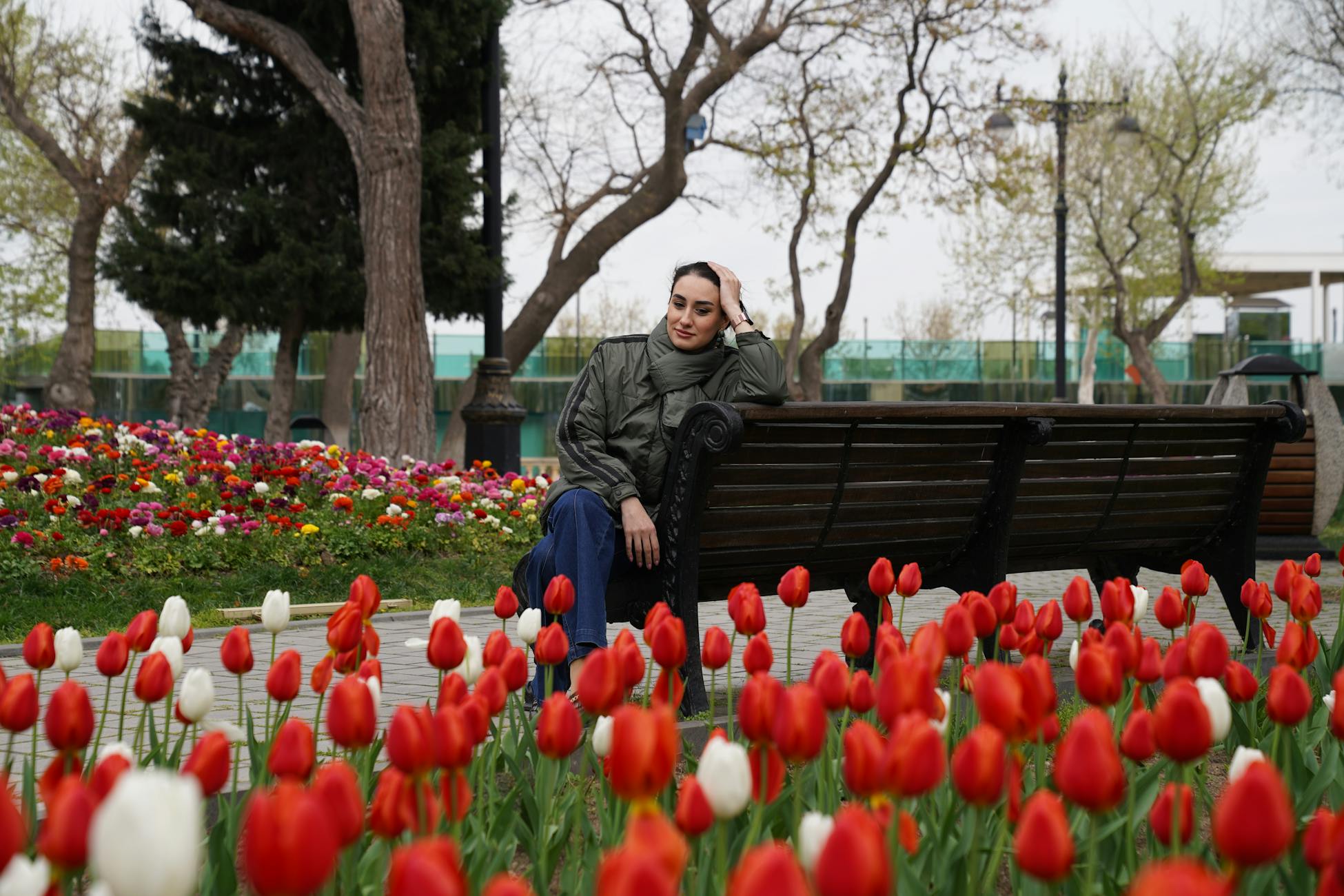
Another client, Judy, told me she spent the first eight months of retirement feeling like she was “waiting for the real thing to start.” Every morning had a provisional quality, as though retirement were a holding pattern before whatever came next. She joined a book club, signed up for water aerobics, and volunteered at her local library. None of it was wrong. All of it was premature. She was layering structure onto an identity that hadn’t finished dissolving yet. The old self needed to fully release before a new one could form.
When Judy finally allowed herself to stop filling the hours, she experienced what she described as “the worst and best three months of my life.” She cried more than she had in years. She sat with regrets she’d been outrunning since her forties. She grieved and felt grateful in the same breath. And then, slowly, she began to notice things. The way light moved across her kitchen wall at eleven in the morning. The sound of rain on corrugated iron. The pleasure of drinking tea without simultaneously answering emails. Small registrations of being alive that had been drowned out for decades by professional noise.
As columnist Tracy Simmons has written, busyness functions as a coping mechanism that helps distract the mind from what it doesn’t want to face. In the context of retirement, what the mind often doesn’t want to face is the question of inherent worth. Am I valuable when I’m not producing anything? Am I enough when nobody needs me to perform? These questions are excruciating for people who spent careers being indispensable. The temptation to drown them out with activity is entirely understandable.
But the questions don’t go away. They just get louder.
Research on retirement transitions and life satisfaction consistently points toward meaning-making as a critical factor in long-term adjustment. The retirees who find lasting satisfaction aren’t necessarily the busiest or the most socially active. They’re the ones who have done the internal work of constructing a narrative about who they are now, not who they were. That construction requires raw material, and the raw material is gathered in silence. In reflection. In the willingness to sit with uncertainty long enough for something authentic to crystallise.
I’ve been thinking about this retirement transition quite a bit lately, and there’s a video that captures what I’m trying to say here—it’s called “The retirement trap no one warns you about”—where the same idea comes through: that the real danger isn’t boredom, but running from the silence that actually holds our answers.

I’ve noticed a pattern among the most peaceful retirees I know. They went through a period that looked, from the outside, like stagnation or even depression. Their families worried. Their friends gently suggested hobbies. They themselves questioned whether something was wrong. And then, on the other side of that passage, they arrived somewhere that the hobby-collectors hadn’t. They arrived at a sense of self that wasn’t contingent on external validation.
That arrival doesn’t mean they stopped doing things. Robert eventually returned to his Italian classes. Judy still volunteers at the library. The difference is that the activities are now expressions of who they’ve become, not defences against who they’re afraid they aren’t. The doing flows from being, rather than substituting for it.
I’ve written before about the loneliest moment in retirement being at a social event where everyone introduces themselves by what they do. The people who have sat with the emptiness no longer panic at that moment. They’ve found a sentence that doesn’t depend on a job title. Sometimes that sentence is simple. Sometimes it’s just “I’m someone who pays attention now.”
The emptiness, it turns out, was never empty. It was full of everything the career had been too loud to let you hear. Your actual preferences. Your genuine interests, as opposed to the ones you adopted because they were adjacent to professional advancement. Your real emotional landscape, not the curated version you showed to colleagues. The grief you’d postponed. The wonder you’d forgotten you were capable of.
When people ask me, as a retirement coach, what the single most important thing they can do to prepare for retirement is, I give an answer that disappoints almost everyone. Learn to be still. Not forever. Not as a lifestyle. But long enough to hear what’s been waiting underneath the noise. Long enough to discover that the silence you’ve been avoiding is actually an introduction to someone you haven’t met yet.
Yourself. Without the armour. Without the title. Without the schedule.
That person has been there all along. They just couldn’t get a word in.