

8 rare traits of people who genuinely enjoy being single

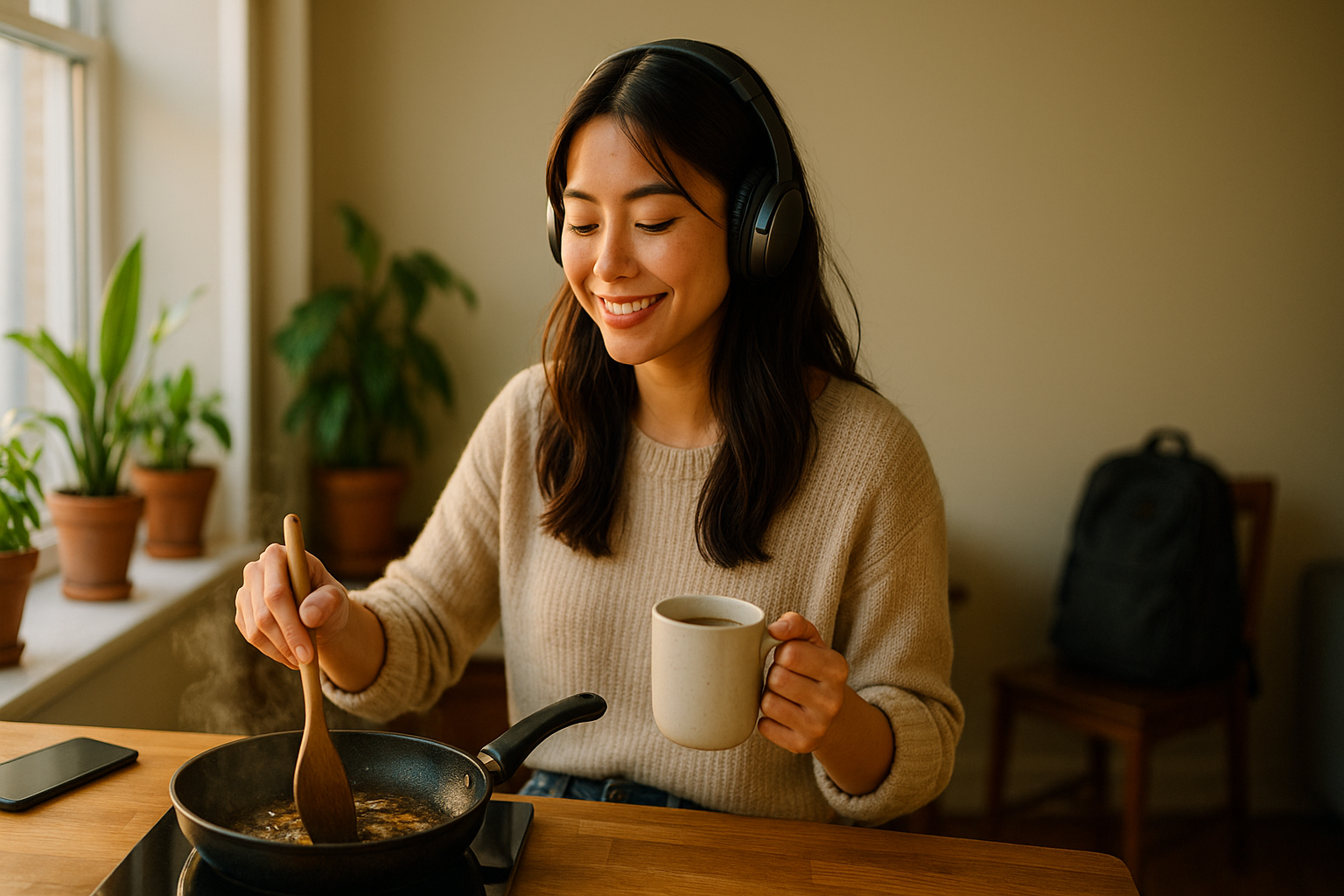
If you enjoy being single, you’ve probably noticed how confused other people can get. We’re used to a cultural script that treats couplehood as the default path to happiness.
But the psychology of motivation, identity, emotion, and social connection tells a different story: singlehood can be a thriving mode of life when it aligns with your needs and values.
Emerging “singlehood studies” research also shows singles are not a monolith—there’s real diversity in how people do single life, and many flourish.
Below are eight rare traits I see in people who genuinely like being single—each anchored in core psychological ideas.
1) Autonomous self-direction
People who love singlehood tend to be high on autonomy—not the lone-wolf stereotype, but the psychological sense that your life flows from your own choices and values. In Self-Determination Theory (SDT), autonomy is one of three basic psychological needs (with competence and relatedness). When those needs are satisfied, well-being climbs; when they’re chronically thwarted, it sinks. Choosing singlehood because it fits your values is classic “autonomous motivation.”
Autonomy also shows up in self-concordant goals—the goals you pursue because they feel like yours, not because someone else expects them. People who select and strive for self-concordant goals report more progress and better well-being over time, which helps explain why some singles feel energized by their freedom to design life on their terms.
In practice: enjoying singlehood often looks like directing your time, attention, and money toward projects that express your values—without needing relationship status to validate the path. That’s psychology’s version of “living by design, not default.”
2) Comfort with solitude (not the same as loneliness)
If single life fits you, chances are you have a healthy relationship with solitude.
Solitude is best defined as a state where your primary relationship is with yourself in the moment; it’s mentally being “with you,” whether or not you’re physically alone. That’s different from loneliness (the distress of unmet belonging).
Modern solitude research distinguishes between intrinsically motivated solitude (chosen, restorative) and avoidant or fear-based withdrawal (draining). People who want time alone because it replenishes them—rather than because they fear others—show better outcomes. There’s even a term, “aloneliness,” for the discomfort of not getting enough solitude—useful for understanding why some singles seek alone time.
In practice: this trait looks like deliberately scheduling quiet space for thinking, creating, or decompressing—and feeling nourished by it, not diminished.
3) Curiosity and cognitive engagement
Many contented singles are cognitively hungry. Psychologists call this Need for Cognition—the tendency to enjoy effortful thinking and complex ideas.
High-NFC people are more likely to pick activities that challenge them intellectually, which naturally makes single time feel purposeful rather than empty.
If your evenings are happily swallowed by learning a language, building a product, or falling down rabbit holes of analysis, that’s not “filling the time”—that’s a cognitive style that pairs well with self-directed living. Singlehood becomes a platform for curiosity, not a pause screen.
4) Strong identity and self-concept clarity
People who enjoy being single often have self-concept clarity—a stable, well-defined sense of who they are. When your identity is coherent, you’re less likely to chase relationships to “complete” you, and more likely to let relationships complement you. Classic work on self-concept clarity shows it’s linked to higher self-esteem and well-being, and to less internal conflict.
In practice: strong identity functions like a compass. It helps you set boundaries, say no to poor fits, and avoid reshaping yourself just to match someone else’s expectations—behaviours that make singlehood feel naturally satisfying.
5) Emotional resilience and flexible regulation
Enjoying singlehood doesn’t mean avoiding difficulty; it means you’ve built emotion-regulation skills that keep you steady.
A foundational model distinguishes cognitive reappraisal (changing how you interpret a situation) from expressive suppression (pushing feelings down). Reappraisal is generally the healthier workhorse—associated with better mood and social outcomes.
Layer in psychological flexibility—choosing actions guided by your values while allowing tough thoughts and feelings to come and go—and you get a profile that weathers social pressure (“When are you settling down?”) without caving or burning out. Psychological flexibility sits at the heart of Acceptance & Commitment Therapy and predicts broad well-being.
Resilience researchers also note that for many people, stable healthy functioning is the modal response to life stressors—not the exception—especially when you’ve got flexible coping in place.
6) Independence from social validation (authenticity > approval)
A lot of singles who thrive have shifted from chasing approval to living authentically—aligning daily choices with their values. The authenticity literature ties this stance to better psychological adjustment and relationship quality; conversely, basing self-worth on external contingencies tends to undermine well-being.
Self-Determination Theory and adjacent work on optimal (non-fragile) self-esteem echo the same point: when behaviour is internally endorsed, you get sturdier motivation and a more stable sense of self.
That’s a recipe for being happily single without needing social media metrics—or other people’s relationship timelines—to tell you you’re okay.
7) Capacity for deep, non-romantic connection
Enjoying singlehood rarely means being anti-connection. In fact, newer research that finally centers singles shows friendship and family satisfaction are among the strongest predictors of life satisfaction for unpartnered adults. Translation: plenty of happy singles build rich networks that don’t revolve around a romantic dyad.
The same theme pops in person-centered studies of single emerging adults: profiles highest in friendship satisfaction tend to be the happiest. That fits the lived reality of many contented singles—community, collaboration, and chosen family loom large.
In practice: this trait shows up as tending to a wider social garden—mentors, colleagues, siblings, friends—rather than betting your entire belonging on one relationship.
8) Selective focus on meaning over convention
A subtle, powerful trait of happily single people is goal selectivity—prioritising emotionally meaningful pursuits over “default” milestones.
Socioemotional Selectivity Theory explains why, as we perceive time as more precious, we invest in quality over quantity—deeper goals, fewer distractions, richer moments. Many singles live that way by choice at any age: fewer obligations, more meaning.
This selectivity also counters the old “deficit narrative” of single life.
Contemporary singles scholarship argues that for many, singlehood is a psychologically rich path characterised by freedom, autonomy, and diversified connection—not a waiting room.
Why these traits feel rare (and why they matter)
They’re rare because the social script still over-privileges couplehood—and because it’s harder to see internal drivers (autonomy, authenticity, clarity) than external markers (wedding photos). But when you zoom in with psychology’s lens, a coherent picture emerges: people who truly enjoy being single aren’t avoiding intimacy; they’re practicing agency.
They build lives that satisfy core needs (autonomy, competence, relatedness), pursue self-concordant goals, regulate emotions flexibly, invest in friendships, and choose meaning over optics. That’s not a consolation prize; it’s a well-designed life.
How to cultivate these traits (if you want to)
-
Audit your goals for self-concordance. Ask, “Is this my goal?” If not, re-write it until it is. (Look for that felt sense of ownership.)
-
Schedule nourishing solitude. Treat alone time like training—regular, purposeful, restorative.
-
Build psychological flexibility. Practice noticing thoughts/feelings, naming values, and taking tiny value-aligned actions.
-
Invest in non-romantic ties. Put recurring time on the calendar for the people who matter most.
