

9 things introverts find relaxing that normal people may struggle to stand

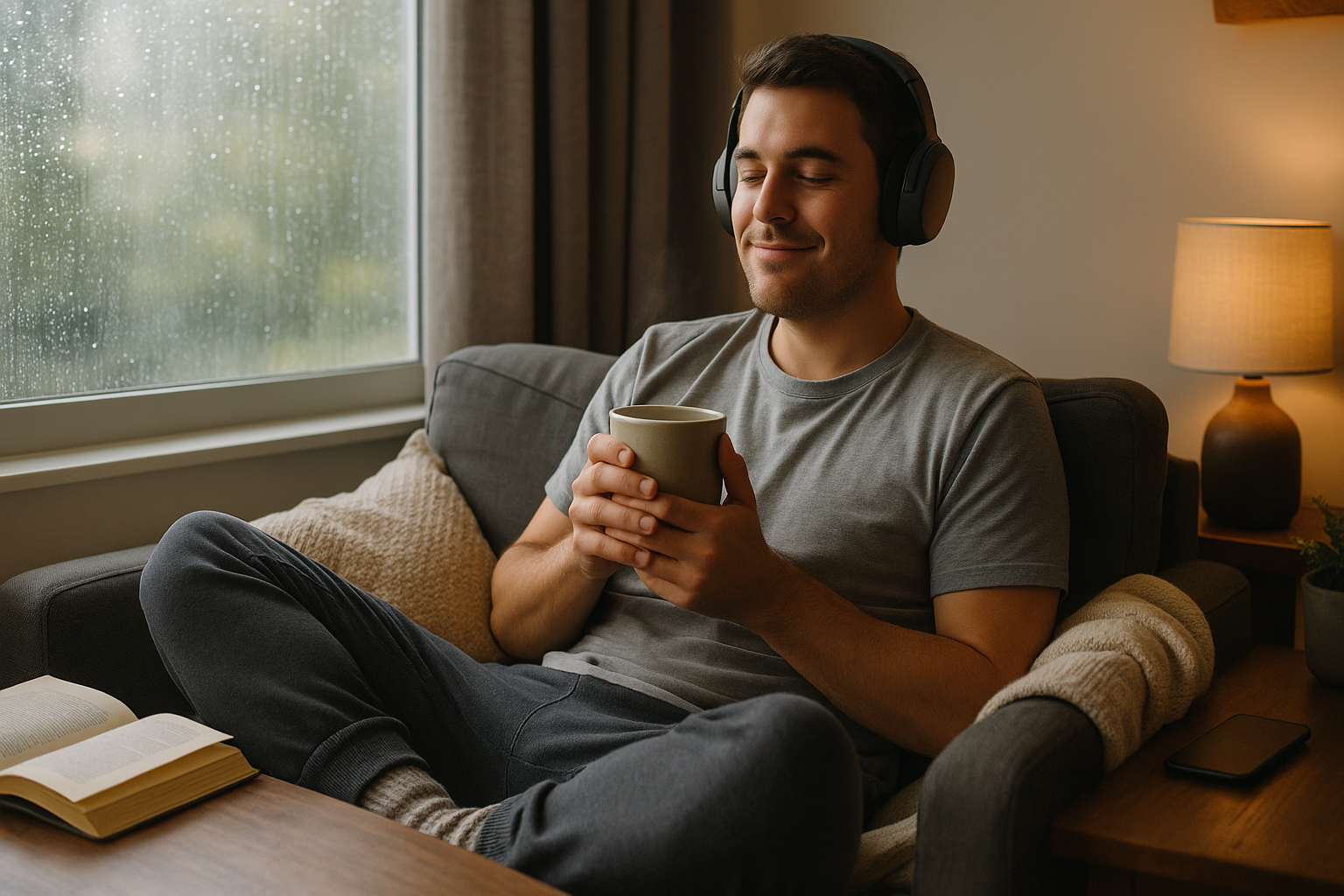
I’ve always known I was an introvert. Growing up in Australia, I’d often slip away from noisy gatherings to sit under a tree with a book, while my cousins stayed in the thick of things. I thought something was wrong with me. Later, as I studied psychology, I learned it wasn’t just a quirk—it was how my brain was wired.
Psychology tells us introverts and extroverts differ in how they respond to stimulation. Extroverts are wired to seek more of it, while introverts often need to withdraw and regulate. What looks “boring” or “antisocial” to one person can be profoundly restorative to another.
Here are nine things I—and many other introverts—find deeply relaxing, even though most people can’t stand them.
1. Sitting in complete silence
One of my favorite rituals is sitting in silence at the end of the day. No music, no TV, no conversation—just quiet. To some of my extroverted friends, this sounds like torture. They need background noise to feel alive.
Psychology has an explanation for this difference. Introverts typically operate with a higher baseline of cortical arousal. That means our nervous systems are already buzzing at a higher level, so silence brings us back into balance.
For me, silence isn’t empty. It’s full. It’s where ideas emerge, where emotions settle, and where I reconnect with myself.
2. Reading alone for hours
I can lose an entire afternoon in a book and come out of it more refreshed than if I’d spent the day socializing. Extroverts often find this baffling. To them, reading too long feels isolating or dull.
But reading can induce what psychologist Mihaly Csikszentmihalyi called flow: a state of complete immersion where you lose track of time. For introverts, this is one of the most accessible ways to recharge.
I remember reading Herman Hesse’s Siddhartha in my early 20s. I was supposed to go out with friends that night, but I ended up staying in, completely absorbed. That book didn’t just pass the time—it shifted the way I saw the world. That’s what reading does for introverts: it feeds us deeply.
3. Long, slow walks without talking
When I go for a walk, I don’t need company, and I definitely don’t need conversation. In fact, some of my most relaxing moments come from wandering slowly through a park or along the river in Singapore, letting my thoughts roam as freely as my steps.
Psychologists call this self-reflection, and it’s something introverts excel at. Walking gives the body a gentle rhythm that helps the mind process emotions and experiences.
Extroverts sometimes see this as strange—why walk alone when you could be chatting? But for me, walking alone is a moving meditation.
4. Journaling instead of venting
When I’m struggling with something, I don’t immediately call a friend to vent. I reach for my journal. Writing down my thoughts brings clarity in a way conversation sometimes doesn’t.
This is backed by research on expressive writing. Psychologist James Pennebaker found that putting emotions into words lowers stress hormones and improves well-being. For introverts, who prefer inward processing, journaling can be more therapeutic than talking.
I’ve kept journals at different stages of my life—from messy notebooks in high school to sleek Moleskines in my 30s. Looking back, those pages are like time capsules of my inner world. Writing them was a form of release that conversation alone could never provide.
5. Listening to the same playlist on repeat
I’ve been known to listen to the same five songs on loop for weeks. Friends tease me for it, saying, “Don’t you get bored?” But repetition is precisely what relaxes me.
Psychologists link this to predictability bias. Our brains calm down when we know what’s coming next. For introverts—who already take in a lot of stimulation—familiar music reduces cognitive load.
I had a playlist during my university days that I still return to when I need to concentrate. It’s not just about nostalgia—it’s about entering a rhythm that feels safe and grounding.
6. Spending time in low-light, cozy spaces
Some people are energized by bright lights, crowded cafes, and bustling spaces. Not me. Give me a dimly lit corner, a warm lamp, or a quiet nook, and I instantly feel at home.
This preference is tied to sensory-processing sensitivity. Introverts often have nervous systems that are more easily overstimulated, so soft lighting and cozy settings soothe our senses.
In Vietnam, where I live part of the year, I’ve found little cafes that are perfect for this. They’re not flashy or loud. They’re tucked-away spots where you can sip coffee in peace, without feeling the world is demanding something from you.
7. Declining invitations without guilt (and staying home)
When I was younger, I often felt guilty about saying no to invitations. I worried people would think I was antisocial or rude. Over time, I realized something important: staying home is sometimes the most loving choice—both for myself and for others.
Psychologists explain this through energy conservation theory. Social interaction drains introverts faster, so alone time isn’t selfish—it’s necessary.
Now, when I decline an event, I don’t apologize. I know I’ll show up as a better version of myself later because I gave myself space to recharge.
8. Enjoying “parallel presence”
One of my favorite ways to relax with my wife is simply being in the same room together, doing separate things. She might be scrolling on her phone, and I might be reading, with hardly a word exchanged. Yet we both feel close.
Psychologists call this companionate intimacy: closeness without constant communication. For introverts, this is gold. It allows for connection without the exhausting demand of nonstop conversation.
To outsiders, it might look cold or distant. To me, it feels like love in its most effortless form.
9. Mind-wandering and daydreaming
Daydreaming gets a bad reputation. Teachers scold kids for it. Bosses see it as laziness. But for introverts, letting the mind drift is often restorative.
Neuroscience shows this taps into the brain’s default mode network—the system that activates when we’re not focused on external tasks. For introverts, this downtime fuels creativity, problem-solving, and emotional regulation.
I’ve had insights about business, relationships, and even life direction come not during meetings or brainstorming sessions, but while staring out a window, lost in thought. What looks like “doing nothing” is often the most productive rest of all.
Final thoughts
Being an introvert isn’t about being antisocial or aloof. It’s about managing stimulation differently. What many people find boring, draining, or intolerable, introverts find relaxing and restorative.
Silence, solitude, journaling, daydreaming—these aren’t signs of disconnection. They’re strategies for renewal.
As I’ve learned through both psychology and personal experience, introverts don’t need to apologize for the ways we recharge. The things we find relaxing are not flaws to fix. They are our hidden strengths, allowing us to return to the world calmer, clearer, and more grounded.
So if you ever feel strange for preferring quiet over noise, or solitude over crowds, remember: it’s not just okay—it’s who you are. And psychology backs you up.
