

If you grew up in the 60s and 70s you probably learned these life lessons rarely taught today

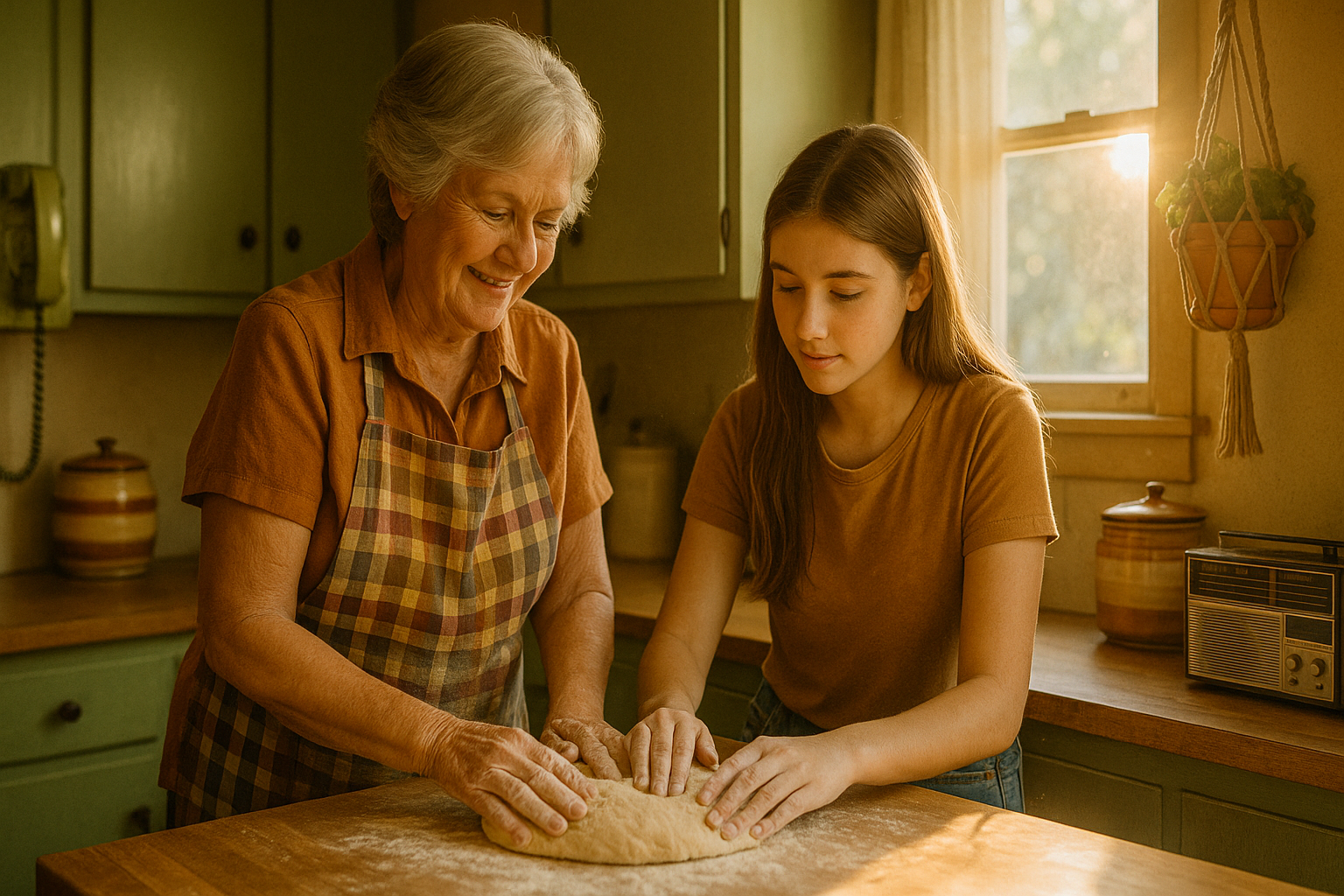
People who grew up in the 1960s or 1970s experienced a world that was far less curated and controlled than today. No smartphones. No helicopter parenting. No streaming platforms that could instantly cater to every whim.
Instead, there was freedom. Scraped knees, rotary phones, and the sort of unfiltered experiences that taught life lessons in real time.
The world has changed. And with it, some of those raw, real, and character-building lessons have faded into the background. It’s worth revisiting the timeless truths many people from that era learned—and why they still matter today.
1. Independence is built, not given
In the 60s and 70s, parents didn’t hover. Kids were expected to figure things out for themselves. Whether it was walking to school, fixing a bike chain, or navigating a disagreement with a friend—no adult stepped in immediately to save the day.
Children learned how to solve problems, improvise, and take care of themselves. Today, with the rise of overly protective parenting, many young people miss out on this early training in resilience.
Lesson: Independence grows when you’re allowed to struggle a little.
2. Actions have consequences (and no one will bail you out)
If a kid got in trouble at school, they didn’t come home to parents blaming the teacher. They came home to parents asking, “What did you do?”
Accountability was a given. There was no special treatment, no “my kid can do no wrong” attitude. Children learned quickly that their choices—good or bad—had real-world consequences.
Lesson: Taking ownership of your actions is a cornerstone of maturity.
3. Boredom is a gift
With only a few TV channels, no internet, and entire afternoons free after school, kids had to invent their own fun. Build a fort. Explore the woods. Lie in the grass and watch the clouds. Boredom wasn’t a problem—it was a creative spark.
Today, kids (and adults) rarely experience boredom thanks to constant digital stimulation. But in the 60s and 70s, boredom was the birthplace of imagination.
Lesson: Boredom invites creativity—if you give it the space.
4. You don’t need much to be happy
Most families in that era weren’t wealthy, yet people often look back on those years with deep fondness. Why? Because joy came from simple things: riding a bike until dark, playing board games with the family, or listening to the radio together.
The consumer culture hadn’t yet fully taken over. Happiness wasn’t found in stuff—it was found in moments.
Lesson: True happiness doesn’t come from consumption, but connection.
5. You can disagree without disrespect
People in the 60s and 70s had debates—sometimes passionate ones—without cutting each other down. Dinner tables and neighborhoods were filled with discussion, not division.
Today’s culture, especially online, often equates disagreement with disrespect. But back then, people could believe different things and still be friends.
Lesson: Respecting different viewpoints is part of growing up.
6. Privacy matters
For people who grew up in this era, personal business stayed personal. Gossip might’ve happened at the local diner, but nobody shared every thought, photo, or feeling with the world.
Now, privacy feels almost radical. Young people today are growing up in a world where oversharing is normalized, but the 60s and 70s taught the quiet strength of discretion.
Lesson: Not everything needs to be public. Privacy is power.
7. Nature is your best teacher
The classroom extended far beyond school walls. Kids played in creeks, climbed trees, got sunburned, and scraped their knees. They learned about life—its beauty and its danger—firsthand, not through a screen.
Children today spend less time outside than prison inmates, according to some studies. But kids in the 60s and 70s probably got dirty every day—and loved it.
Lesson: Nature teaches responsibility, awe, and humility.
8. Resourcefulness is better than convenience
If something broke, people fixed it. If they didn’t have what they needed, they made do. Paper clips, duct tape, and ingenuity came before running to the store—or more likely, the hardware section of the local department store.
In contrast, the convenience culture today can lead to helplessness when things don’t go exactly as planned.
Lesson: Resourcefulness is a skill that builds confidence.
9. Gratitude wasn’t a buzzword—it was a way of life
Kids didn’t expect constant praise or participation trophies. They were grateful for what they had—a roof over their head, a meal on the table, a birthday card from Grandma with a $5 bill tucked inside.
In a time before social media comparison, people were more grounded in the moment. They didn’t constantly crave more.
Lesson: Gratitude isn’t flashy—it’s foundational.
10. Hard work isn’t optional
Chores weren’t negotiable. Kids were expected to help out—clean their room, mow the lawn, do the dishes. Many even got their first job in their early teens: delivering newspapers, bagging groceries, or babysitting.
It wasn’t just about money. It was about pride in a job well done and learning the value of earning your keep.
Lesson: Hard work builds both character and self-respect.
