

People who check their phone as soon as they wake up in the morning typically display these 8 traits

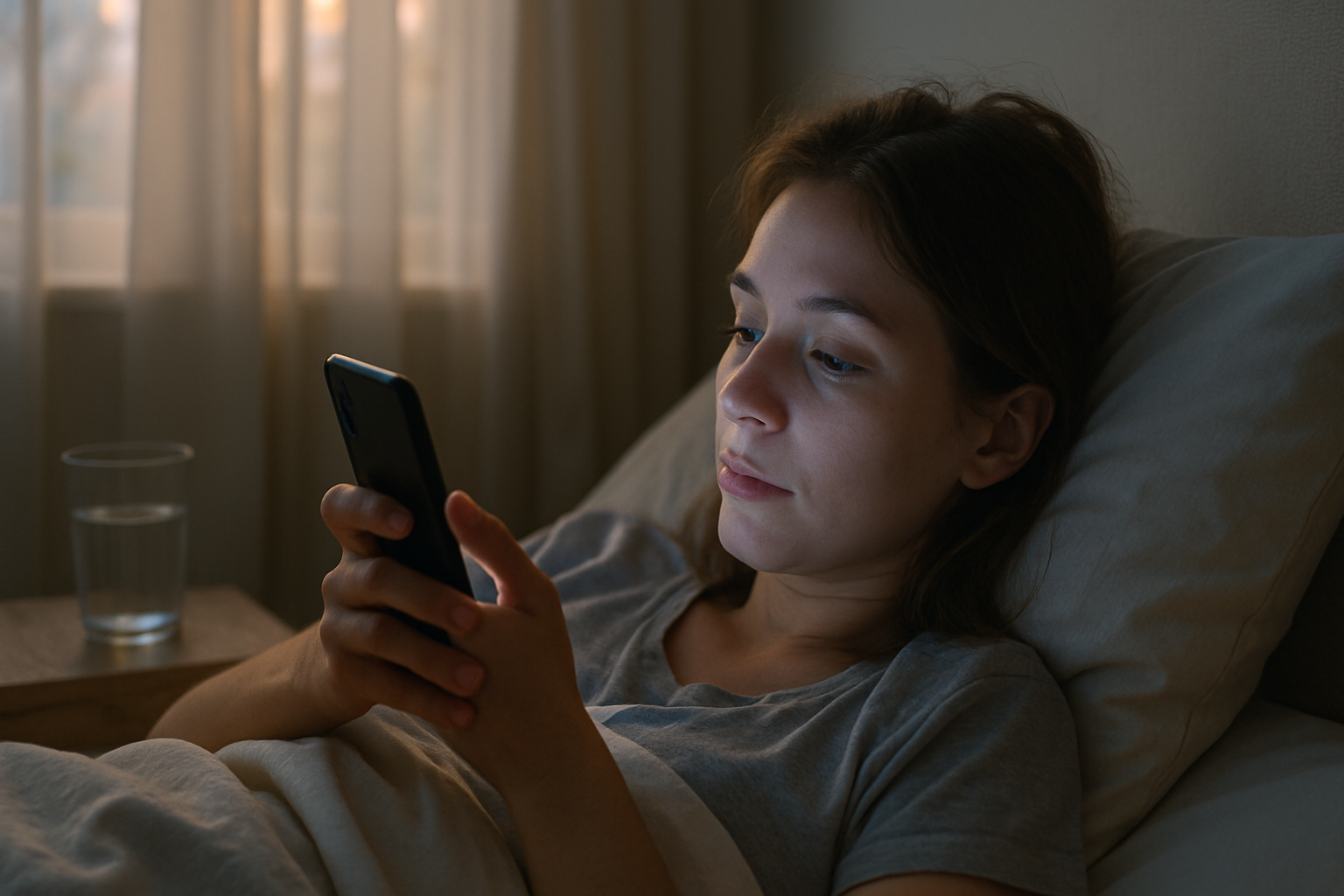
Let’s be honest: for many of us, the first thing we reach for in the morning isn’t a glass of water or even a toothbrush—it’s our phone.
That quick glance turns into a scroll through emails, notifications, Instagram, TikTok, or news alerts before we’ve even gotten out of bed. And while this habit is nearly universal in today’s digital age, psychology suggests that it can reveal quite a bit about how we think, feel, and operate in daily life.
Checking your phone first thing in the morning isn’t necessarily “good” or “bad”—but it does say something about your personality, habits, and mindset. Based on research in behavioral psychology, attention theory, and emotional regulation, here are 8 traits commonly found in people who check their phone the moment they wake up.
1. They’re highly connected—and possibly dependent—on digital input
People who reach for their phone as soon as they wake up often feel a strong psychological tie to staying connected. Whether it’s emails, group chats, or news updates, their mind seeks information to feel in control and up to date.
According to a 2023 study from Frontiers in Psychology, early-morning phone use is associated with “high digital dependence,” particularly in those who feel uneasy or anxious when disconnected. This isn’t necessarily a sign of addiction—but it does show a tendency to use digital input as a stabilizing force.
If your brain craves digital stimulation before your feet hit the floor, you’re probably wired to need connection and input to start your day.
2. They tend to be anxious or overstimulated
People with anxious tendencies often check their phone immediately to alleviate uncertainty. Did a crisis happen overnight? Did someone text? Is there something urgent that needs a response?
This behavior can be linked to anticipatory anxiety—the feeling that something bad might be waiting in your inbox or news feed. Studies on smartphone anxiety show that excessive phone-checking is often a coping mechanism for emotional dysregulation.
You may not even be aware you’re doing it from a place of anxiety. But that quick scroll can serve as a brief dopamine hit that temporarily soothes mental unrest.
3. They’re hyper-efficient—or believe they should be
Some people check their phones first thing because they genuinely want to hit the ground running. They view the morning as a time to get ahead—replying to emails, checking calendars, or scanning messages before the day officially begins.
This is often linked to what psychologists call productivity anxiety: a chronic feeling that you’re not doing enough, even during rest.
If you equate your self-worth with being responsive, updated, or “ahead of schedule,” it makes sense that your phone becomes your morning compass. But the downside? You rarely get a moment of calm to start your day with presence.
4. They’re sensitive to FOMO (fear of missing out)
People who are especially sensitive to FOMO often check their phones to make sure they’re not being left behind—socially, professionally, or emotionally.
Even if nothing urgent is happening, the mere possibility that something might have occurred overnight can trigger the need to check. This ties into intermittent reinforcement, a psychological concept where behavior is driven by unpredictable rewards—like that one exciting message buried between spam emails.
Social media platforms are engineered to exploit this. And people who check their phones first thing in the morning are often more susceptible to this loop than they realize.
5. They may struggle with boundaries
If your first waking action is to open your phone, you might have a harder time separating your inner world from the outside world. This is particularly true if you go straight into work emails, Slack messages, or news headlines.
Psychologist Dr. Nick Wignall argues that one of the biggest modern challenges is psychological boundary erosion. Our phones act as portals to everything: work, drama, global disasters, social comparison—and all of it floods in before we’ve even had a conscious thought of our own.
Checking your phone first thing may suggest difficulty creating space between yourself and external demands. It doesn’t mean you lack discipline—it may simply be a sign that your brain’s default mode is reactive rather than intentional.
6. They’re naturally curious and mentally active
Not all early phone-checkers are anxious or overstimulated. For many, the habit stems from genuine curiosity. They like to be informed. They love learning new things, seeing what’s trending, or discovering what happened while they slept.
This aligns with research on cognitive curiosity—a trait where people feel intrinsically motivated to seek out information. In these individuals, checking their phone is more like stretching the brain—it’s how they “warm up” mentally.
If you find yourself eager to read an article, check market news, or browse Reddit in the morning, your early scrolling may be part of a broader pattern of intellectual engagement.
7. They’re not getting enough restful sleep
Interestingly, one of the most common—but overlooked—traits among morning phone-checkers is poor sleep hygiene.
Studies from the Sleep Research Society show that people who sleep with their phone within reach are significantly more likely to experience fragmented sleep, late bedtimes, and higher levels of nighttime alertness. And what’s the consequence? A mind that wakes up already looking for stimulation.
This is often a sign that the brain never fully powered down. Checking your phone first thing might not be a choice—it may be a symptom of a brain that never fully rested.
In fact, if you’re checking your phone during the night as well, psychologists categorize this behavior as “sleep-procrastination looping”—a cycle where screen use delays sleep and then reinforces the habit again upon waking.
8. They’re driven by external validation
For some people, checking the phone first thing is about being seen. Likes, comments, replies, messages—these micro-interactions can feel validating, especially if someone’s self-worth is tied to digital affirmation.
According to a study in Computers in Human Behavior, frequent social media checking upon waking is often associated with higher levels of self-monitoring and concern about others’ opinions.
If you subconsciously check to see if your post did well, if someone responded, or if you’ve been tagged—it may reflect a tendency to seek external approval as a way of grounding your sense of self.
So, what’s the takeaway?
Waking up and checking your phone doesn’t mean something is wrong with you. In fact, it can reflect traits like curiosity, drive, social sensitivity, and even intelligence.
But if this habit leaves you feeling rushed, anxious, or mentally scattered—it may be worth rethinking your morning routine.
Psychologists suggest trying a 10-minute buffer in the morning: don’t check your phone until you’ve gotten up, had some water, stretched, or simply breathed with your own thoughts. This simple boundary can reduce anxiety, boost focus, and help you reclaim your sense of agency.
Your mind deserves to wake up on its own terms—not be hijacked by the world before the day has even begun.
