

People who don’t like being the center of attention on their birthday usually display these 10 distinct traits

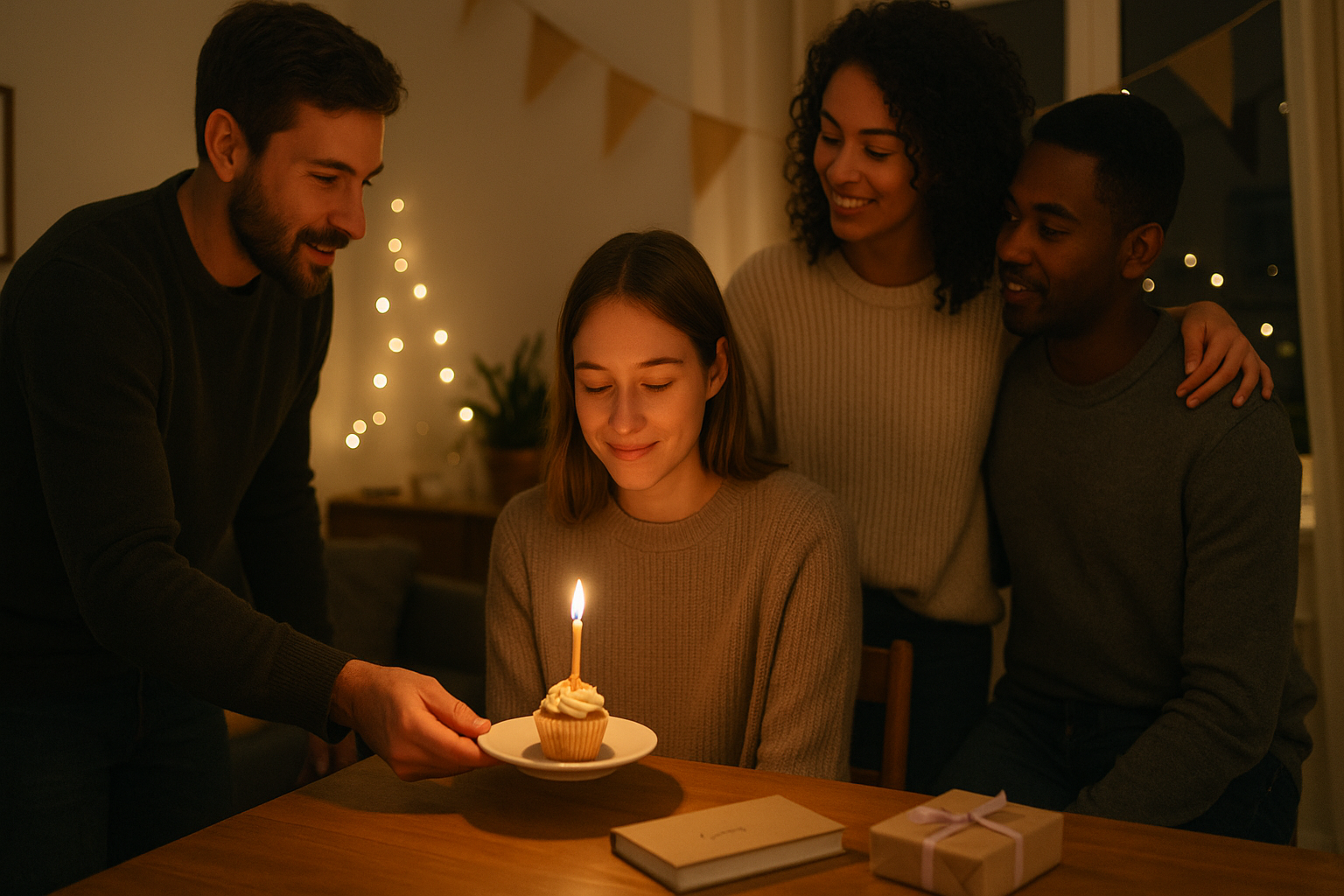
Not everyone loves having the spotlight on them—especially on their birthday. While some people thrive on balloons, confetti, and a crowd singing “Happy Birthday” at full volume, others quietly cringe at the thought.
For these individuals, birthdays are less about being the center of attention and more about reflection, simplicity, and meaningful connections. Their discomfort isn’t random—it usually ties back to personality traits that shape how they approach life.
Here are 10 distinct traits commonly found in people who would rather keep their birthday low-key.
1. They’re naturally humble
People who shy away from birthday attention usually don’t like standing on a pedestal in any part of life. They’re grounded, modest, and prefer to blend into the crowd rather than tower over it.
For them, birthdays can feel like an awkward performance: everyone staring, clapping, and expecting a big smile. It’s not that they’re ungrateful—it’s that public praise feels unnecessary.
Humility guides their choices in other ways too. They tend to value deeds over words, consistency over showiness, and authenticity over recognition.
2. They’re deeply introspective
Instead of celebrating birthdays with parties, these people often use the day to reflect. Where am I now? What have I learned? Where am I heading?
Their birthdays aren’t milestones for others to notice—it’s a moment for them to look inward. Being the center of attention distracts from that inner process, so they prefer quiet time, journaling, or meaningful conversations over grand gatherings.
This trait shows up beyond birthdays too. Introspective people are often thoughtful listeners, careful decision-makers, and more interested in depth than surface-level socializing.
3. They value authenticity over performance
The reason they dislike being sung to in a crowded restaurant isn’t that they’re antisocial—it’s that the moment feels performative.
They’re not interested in plastering on a smile for show. If they’re going to celebrate, they want it to be real: a small dinner with close friends, or even just enjoying their favorite meal at home.
This craving for authenticity means they’re often selective about who they spend time with. They’d rather have two genuine friends than twenty acquaintances.
4. They’re highly empathetic
Believe it or not, one reason they don’t like birthday attention is because it makes them worry about others. They’re hyper-aware that everyone is watching, singing, or fussing over them, and it feels unfair.
Their empathy kicks in: Are people enjoying this, or are they just doing it because they feel obligated? That discomfort makes the whole event stressful instead of joyful.
This same empathy shows up in daily life—they’re considerate, kind, and often the first to notice when someone else feels left out or uncomfortable.
5. They’re introverts at heart
The connection here is obvious. Introverts often feel drained when all eyes are on them. A birthday party with speeches, spotlights, and big crowds feels like too much stimulation.
Instead, they recharge through smaller, quieter interactions. They’d rather spend their birthday with one or two loved ones than with a room full of people chanting their name.
This doesn’t mean they’re shy or antisocial—it just means their energy flows inward, and they’re more comfortable when life doesn’t feel like a stage.
6. They’re content without external validation
Some people love birthdays because it’s a rare chance to be validated—told they’re loved, appreciated, and celebrated. But people who dislike the attention often don’t need that external boost.
They already know who they are and what they’re worth. They’re self-reliant, confident in quiet ways, and not hungry for applause.
This independence frees them from the pressure of needing constant reassurance. They’re not fishing for compliments—they’re simply living their lives.
7. They prefer meaningful gestures over grand displays
If you ask them what they want for their birthday, the answer is rarely extravagant. They might say:
-
A heartfelt card
-
A simple home-cooked meal
-
A walk with someone they love
Big parties, surprise celebrations, and flashy gifts feel overwhelming, even hollow. What matters most is thoughtfulness, not grandeur.
This preference reflects a broader life philosophy: quality over quantity, depth over display.
8. They’re sensitive to social pressure
For some, being sung to on their birthday feels like pure joy. For others, it feels like standing on a stage without rehearsal.
People who dislike birthday attention are often more sensitive to social pressure. They feel uncomfortable with the unspoken expectations: Smile big. Blow out the candles. Make a wish. Don’t let anyone down.
That pressure turns what’s supposed to be fun into a draining obligation. It’s not about being ungrateful—it’s about not wanting to perform on command.
9. They’re independent thinkers
Another reason they avoid birthday attention is that they don’t buy into the social script. Just because tradition says birthdays should involve big parties doesn’t mean they agree.
Independent thinkers create their own rules. If they want to spend the day hiking, reading, or binge-watching movies alone, they’ll do that without guilt.
They’re not swayed by what others expect, which is why they’re often seen as self-directed and quietly strong-willed.
10. They’re more focused on everyday living than milestones
For many, birthdays are the highlight of the year. For others, life is too rich to reduce to a single day.
Those who avoid birthday attention often believe every day is an opportunity to celebrate—through small joys, daily routines, and meaningful relationships. They don’t need a once-a-year spotlight because they’ve built a life where contentment is already woven into the ordinary.
This perspective gives them a steady sense of fulfillment that doesn’t depend on big occasions.
Final thoughts
People who don’t like being the center of attention on their birthday aren’t killjoys, antisocial, or ungrateful. They’re simply wired differently.
Their humility, introspection, empathy, and independence guide them toward quieter, more meaningful celebrations. They don’t need confetti or crowds to feel valued—they find joy in authenticity, simplicity, and genuine connection.
So if you have a friend like this, don’t throw them a surprise party. Instead, ask them what they’d really like. Chances are, it’ll be something small but deeply meaningful. And that’s the whole point.
