

Elon Musk said, “Some people don’t like change, but you need to embrace it”. Here’s how I finally stopped clinging to old habits

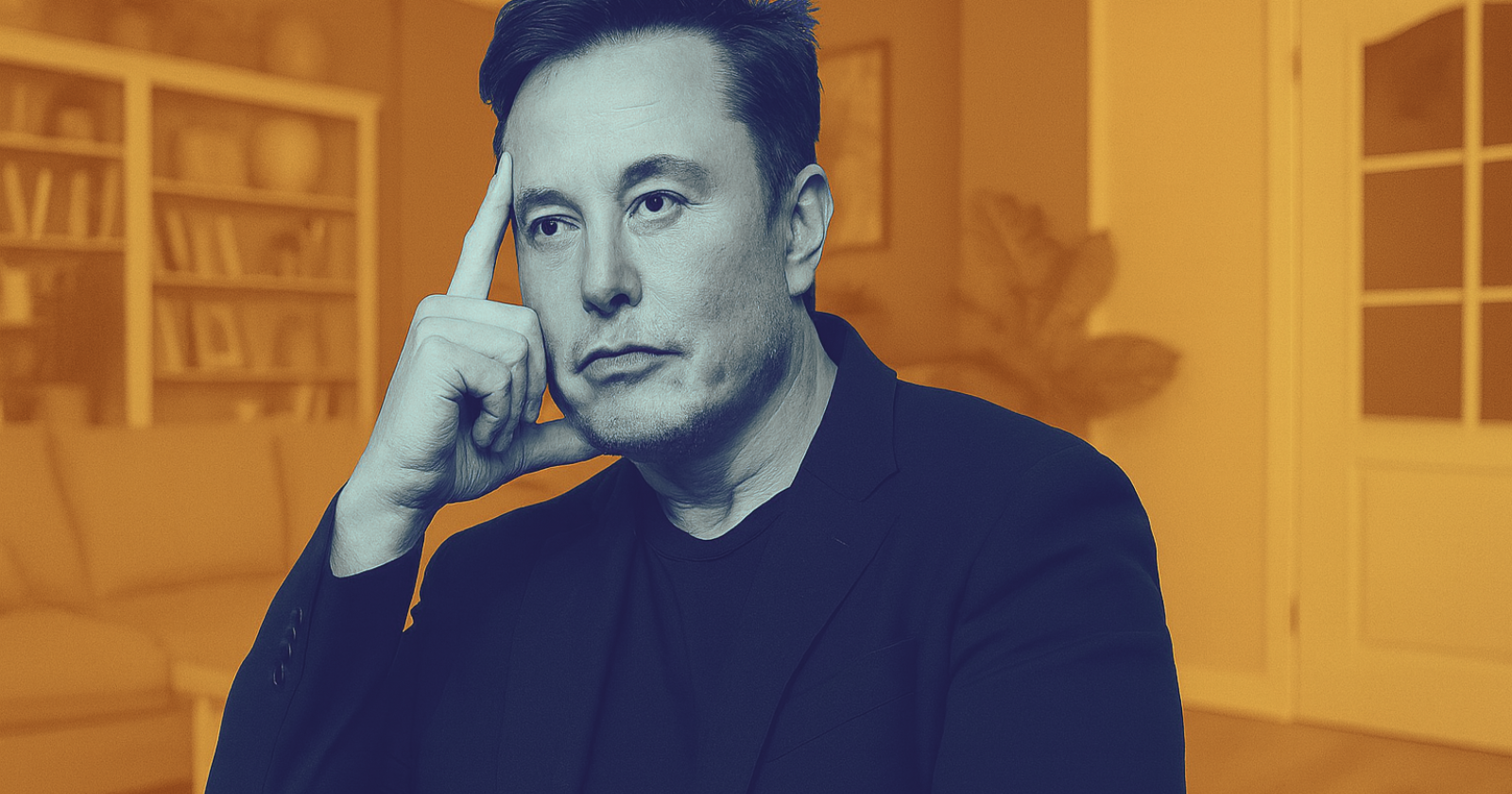
Elon Musk said, “Some people don’t like change, but you need to embrace it”. Here’s how I finally stopped clinging to old habits
A few years ago, an old friend looked me in the eye and said, “You don’t hate change—you hate the feeling of not being in control.”
I laughed it off, then went home and realized he was right.
I’m the person who will use the same coffee mug until the logo fades, who takes the same running route because I know where the cracks in the pavement are.
When a new app interface appears, I grumble like an old radio trying to tune itself. And yet, the seasons kept changing without my permission: a relationship ended, a project I loved wrapped up, my favorite café closed.
Some people don’t like change. I didn’t.
The question that haunted me was simple: how do you stop clinging to the familiar when the familiar isn’t working anymore?
What follows is the playbook I built — part psychology, part mindfulness, part trial and error — when I finally got tired of being dragged by change instead of moving with it.
Name the habit loop
Old habits feel permanent because they live beneath language. You don’t “decide” to scroll in bed; you just find yourself doing it.
My turning point started with naming what was actually happening in the smallest possible units: cue → craving → action → reward.
I noticed the cue (a dip in energy after lunch, a moment of awkwardness at a social event). I felt the craving (distraction, sugar, reassurance).
Then came the action (grab the phone, grab the snack, grab the old identity), and finally the reward (a tiny hit of certainty). That loop doesn’t care about my goals. It cares about speed.
So I gave each loop an honest label.
“The 3 p.m. fog loop.” “The social discomfort loop.” “The ‘prove yourself’ loop.”
Language made the automatic visible. And once it’s visible, you can edit it.
I wrote replacement options on a sticky note: when fog hits, walk for five minutes; when awkwardness spikes, breathe box-style four rounds; when the inner critic starts yelling, say out loud, “This is just adrenaline. It will pass.”
Naming doesn’t fix everything. But it makes clinging harder, because you’re watching yourself cling in real time.
That sliver of awareness is a crowbar.
Make the experiment smaller than your ego
When change felt huge—new routine, new boundary, new technology—I would procrastinate until the discomfort went nuclear. My ego wanted to be “the kind of person” who could overhaul everything in a weekend. It rarely worked.
What did work was shrinking the experiment until it felt almost silly.
Seven days. Not a lifestyle.
One tiny switch, no speeches: take a different running route. Write for ten minutes before checking messages.
Answer “let me get back to you tomorrow” instead of saying yes out of reflex. Crucially, I measured reps, not results. Day one of a new behavior is never convincing. Day seven is boring enough to be real.
I also learned to pre-negotiate failure. If I missed a day, I wasn’t “back at zero.” I was on a non-consecutive streak.
That language changed everything. It turned identity into practice
. The old habit didn’t have to die in one dramatic scene; it had to run out of oxygen because the new one kept getting more reps.
Here’s the test I use:
If an experiment requires heroic willpower, it’s too big. If it makes me roll my eyes, it’s just right.
Small is not a compromise — it’s a strategy for getting past my ego’s need to feel important.
Reframe loss as making space
Clinging to old habits felt, to me, like clinging to a plank in rough water. I was afraid that if I let go, I’d drown in uncertainty. The shift came when I started reframing change as making space, not losing something.
Loss is loud. Space is quiet. But space is where new relationships, skills, and ideas land.
Recently, I read Rudá Iandê’s new book, Laughing in the Face of Chaos. One line lodged in my chest: the point isn’t to control the storm; it’s to loosen your grip on what keeps you stuck.
That captured my attachment perfectly. I wasn’t protecting my life. I was protecting my patterns.
So I built a ritual for endings.
When I stopped a habit—late-night scrolling, a draining weekly commitment—I wrote a short “thank you” note to it. “You helped me cope when I didn’t have better tools. I’m choosing something kinder now.”
It sounds corny. It worked.
Gratitude took the fight out of letting go, and my nervous system calmed down enough to try something better.
Remove friction for the new, add friction to the old
I used to think discipline was the whole game. Then I realized the environment quietly rules the board.
The easier the old habit is, the more you’ll do it “accidentally.” The easier the new habit is, the more you’ll do it “naturally.”
So I attacked friction like a minimalist with a label maker.
Phone charges overnight in another room. Social apps off the home screen.
The next day’s running gear lay out before dinner.
A browser bookmark folder called “Start here” with the three tabs I actually want to open after breakfast (document, reading list, calendar).
Replacements prepped and obvious: cut fruit ready at 3 p.m., a book next to the kettle, noise-cancelling headphones within reach.
For the old habit, I added speed bumps. If I wanted to scroll, I had to enter a long, goofy passcode. If I wanted sugar, it wasn’t in the house.
If I wanted to procrastinate, I had a rule: open the doc and write a single sentence before you decide. Most days, that sentence pulled me forward.
This isn’t about moral strength — it’s about physics.
Reduce friction for the direction you want to move; increase friction where you’re prone to slide. You’ll still need resolve, but not a superhero’s supply.
Update your story, not just your schedule
Old habits often sit inside old stories. “I’m the reliable one.” “I don’t rock the boat.” “I’m not technical.” When a new behavior clashes with that story, it feels like a betrayal—even if the behavior is healthy.
I had to update my script.
First, I wrote the older story in a paragraph, without judgment. Then I wrote the version I wanted to live into.
Not perfect or grand — just true and slightly bigger.
“I’m reliable and I set boundaries so I can stay reliable.” “I care about harmony and I can tolerate other people’s temporary disappointment.” “I’m a learner. I can become technical enough for what I need.”
I started using these lines in conversation, which made them real. When someone said, “Can you jump on this tonight?” I’d try: “I don’t work evenings anymore, but I can look tomorrow at 10.”
The first few times, my chest tightened. Then nothing exploded. Shockingly, people adapted.
Schedules matter. But stories are the source code.
If you cling to an identity that keeps you tired, your calendar will drift back to what exhausts you. Update the story; the schedule follows.
Feel the fear in your body, not your browser
When I clung to old habits, I thought I was “researching solutions.” I’d open twenty tabs on productivity or communication. Most of it was avoidance with better branding. I wasn’t afraid of ignorance; I was afraid of feeling.
So I practiced feeling. Two minutes, not ten.
I’d close my eyes and hunt for the sensation of resistance: throat tight, shoulders up, stomach hot. I’d name it without poetry: “buzzing, clamping, heat.”
Then breathe like a square—four in, four hold, four out, four hold—while placing a hand where it hurts.
After a minute or two, the intensity dropped enough that I could do the next small action: send the email, decline the invite, start the task, step outside.
This was the opposite of bravery as a performance. It was quiet skill-building. I learned that when my body relaxes even five percent, my brain stops inventing mythic disasters.
The monster becomes a file on my desktop named “Tuesday.” Facing feelings didn’t make me less thoughtful. It made me less theatrical.
Final thoughts
The odd thing about embracing change is that it doesn’t feel like “embracing.” It feels like removing layers: old stories, unnecessary friction, performances we use to look okay.
Two final thoughts that keep me honest.
First, permission beats motivation. When I catch myself waiting to “feel ready,” I give myself permission to be awkward. “You can do it badly, Lachlan.” Badly still moves the plot.
Second, chaos isn’t the enemy. It’s the environment. Reading Laughing in the Face of Chaos recently helped me lean into this. You don’t have to worship change, or Elon Musk, or hustle culture. You just have to stop making your peace conditional on perfect conditions.
Peace is a skill, not a weather report.
So yes, some people don’t like change. I didn’t. But your life will keep changing whether you approve or not. The real win is trading your grip for a stance—feet grounded, eyes open, hands free enough to build.
You don’t have to leap. You can step.
And then step again.
