

I no longer feel guilty for needing more space than most people—here’s why

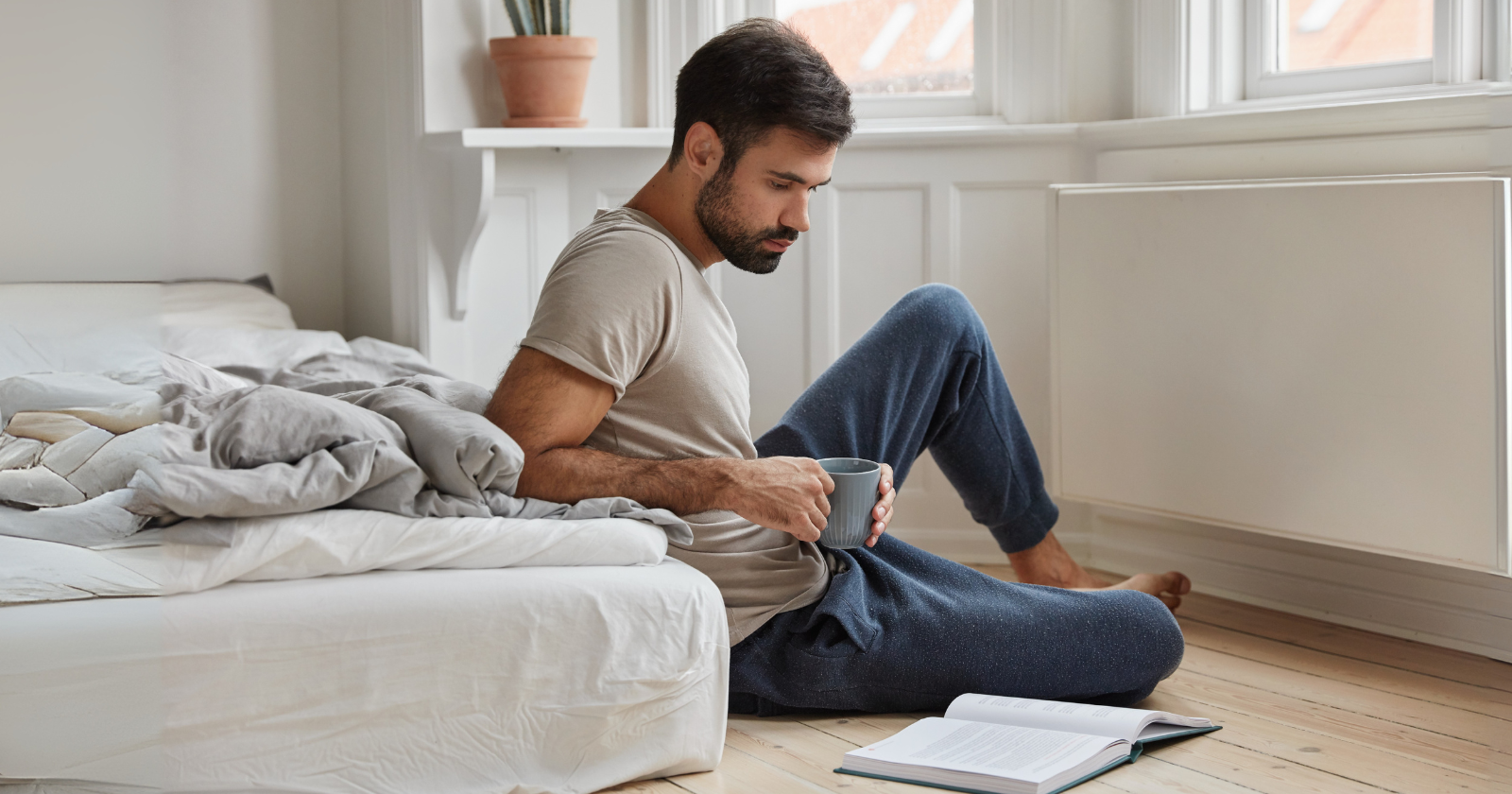
I used to think there was something wrong with me.
While my friends thrived in open-plan offices, I felt drained after an hour.
While they loved cramming into shared apartments, I desperately craved my own space.
While they seemed energized by constant social interaction, I found myself sneaking away to recharge in quiet corners.
For years, I carried this guilt around like a heavy backpack. I convinced myself I was antisocial, difficult, or just plain weird for needing more space—both physical and mental—than everyone else seemed to require.
Sound familiar?
The truth is, I spent way too much energy trying to force myself into spaces and situations that fundamentally didn’t work for me. I’d push through crowded coworking spaces, say yes to every social invitation, and wonder why I felt constantly overwhelmed and exhausted.
It wasn’t until I started diving deeper into understanding human psychology and reading more about individual differences that I realized something profound: needing space isn’t a character flaw. It’s just how some of us are wired.
Why I used to feel guilty about my space needs
The guilt didn’t come out of nowhere. We live in a culture that glorifies constant connection, open collaboration, and being “always on.”
Social media reinforces this by showing us curated glimpses of people who seem to thrive in bustling environments.
I remember scrolling through Instagram, seeing friends at packed networking events or coworking in busy cafes, and feeling like I was missing some essential social gene.
Why did I feel my best when I had quiet mornings alone? Why did I do my most creative work in complete solitude?
The worst part was how I internalized these feelings. I started telling myself stories: “You’re not ambitious enough,” “You’re missing out on opportunities,” “Successful people don’t hide away.”
But here’s what I didn’t understand then—these stories were inherited programming, not truths about who I was supposed to be.
I’ve been reading Rudá Iandê’s new book “Laughing in the Face of Chaos: A Politically Incorrect Shamanic Guide for Modern Life,” and one insight really hit home: most of our “truths” are actually inherited from family, culture, and society rather than our authentic selves.
The guilt I felt about needing space wasn’t really mine—it was society’s expectation of how I should operate.
The moment I stopped apologizing for who I am
Everything changed when I started paying attention to my body instead of my thoughts.
I noticed that after spending hours in crowded spaces, my shoulders would tense up. My creativity would flatline. I’d feel this low-level anxiety that I couldn’t quite shake.
But when I gave myself permission to work alone, to have quiet evenings, to create physical and mental boundaries—my energy returned.
My body was telling me something my mind had been too busy judging to hear.
This shift didn’t happen overnight. At first, I felt selfish for prioritizing my space needs. I worried about missing opportunities or seeming unfriendly.
But gradually, I realized something counterintuitive: when I honored my need for space, I actually showed up better in the spaces I chose to be in.
I stopped forcing myself into environments that drained me, and started being more intentional about when and how I engaged with others.
The result? My relationships improved, my work got better, and that constant underlying tension finally started to fade.
The guilt began to dissolve when I understood that authenticity isn’t about fitting into someone else’s mold—it’s about recognizing and honoring how you’re actually designed to operate in the world.
What I learned about different ways of being in the world
Once I stopped fighting my need for space, I started researching why some people seem to need more of it than others. What I discovered completely shifted my perspective.
It turns out there’s solid science behind these differences. Psychologist Elaine Aron‘s research on highly sensitive people shows that about 15-20% of the population has a nervous system that processes information more deeply. These individuals often need more downtime and quieter environments to function at their best.
But it goes beyond sensitivity. Some of us are simply wired to recharge through solitude rather than social interaction.
We think better when we have space to process. We’re more creative when we’re not constantly stimulated by external input.
Understanding your natural rhythms isn’t just helpful—it’s essential for living authentically. When I finally accepted that I wasn’t broken for needing space, I could start designing my life around how I actually operate instead of how I thought I should operate.
The breakthrough came when I realized that needing space isn’t about avoiding people or shirking responsibilities. It’s about creating the conditions where you can show up as your best self.
How honoring my space needs changed everything
When I stopped apologizing for my space requirements, several things shifted dramatically.
First, my work improved. Instead of forcing myself to write in coffee shops because that’s what “real writers” supposedly do, I created a quiet home office. My productivity doubled. My ideas became clearer. The constant background noise of guilt disappeared, and I could finally focus on what mattered.
Second, my relationships got better. This might seem counterintuitive, but when I started being honest about my needs, people respected me more. Instead of showing up to every social event feeling drained and half-present, I became selective. When I did engage, I was fully there.
I remember a conversation with a close friend who said, “I actually prefer hanging out with you now because you seem more… yourself.” That hit deep.
As Rudá Iandê writes in “Laughing in the Face of Chaos“: “When we let go of the need to be perfect, we free ourselves to live fully—embracing the mess, complexity, and richness of a life that’s delightfully real.”
Third, my energy levels stabilized. Those afternoon crashes disappeared. The Sunday scaries—that dread about the week ahead—faded. When you’re not constantly fighting your natural operating system, life becomes so much easier.
The difference between isolation and intentional space
Here’s something important I had to learn: there’s a big difference between unhealthy isolation and intentionally creating space for yourself.
Isolation comes from fear, avoidance, or depression. It’s about cutting yourself off from meaningful connection.
Intentional space, on the other hand, is about creating the conditions you need to thrive so you can engage more authentically with the world.
I used to confuse the two, which added to my guilt. I worried that needing alone time meant I was becoming antisocial or depressed. But the opposite was true—giving myself space made me more social, not less.
Now I think of space as fuel, not escape. It’s what allows me to show up fully in my relationships, be present in conversations, and contribute meaningfully to projects I care about.
The key is being intentional about it. I schedule downtime like I schedule meetings. I protect my morning routine. I say no to social commitments when I know I need to recharge, and I don’t feel guilty about it anymore.
Your space needs are data, not character flaws
Perhaps most importantly, I’ve learned to treat my space needs as valuable information rather than something to overcome.
When I feel the urge to retreat, I don’t judge it anymore. I ask: What is my body trying to tell me? Am I overstimulated? Do I need time to process something? Am I running on empty?
This shift from judgment to curiosity changed everything. Instead of pushing through exhaustion or forcing myself into draining situations, I started listening to these signals like I would listen to hunger or thirst.
Your need for space isn’t a limitation—it’s intelligence. It’s your system telling you what it requires to function optimally.
To wrap things up
The guilt I used to carry about needing space was really guilt about being different from some imagined “normal” way of being.
But here’s what I’ve learned: there is no normal.
Some people are energized by constant interaction. Others need significant alone time to function.
Some thrive in open, bustling environments. Others do their best work in quiet, private spaces.
None of these ways of being is better or worse—they’re just different.
The real tragedy isn’t needing space. It’s spending years fighting against your natural rhythms because you think you should be different than you are.
If you’re someone who needs more space—whether physical, mental, or emotional—than the people around you seem to need, I want you to know: there’s nothing wrong with you. You’re not antisocial, difficult, or broken.
You’re just wired differently, and that’s not only okay, it’s valuable.
The world needs people who can think deeply, who process carefully, who create from a place of quiet reflection. But we can only offer these gifts when we stop apologizing for needing the space to cultivate them.
