

People who rarely share anything personal on social media usually display these 7 unique traits

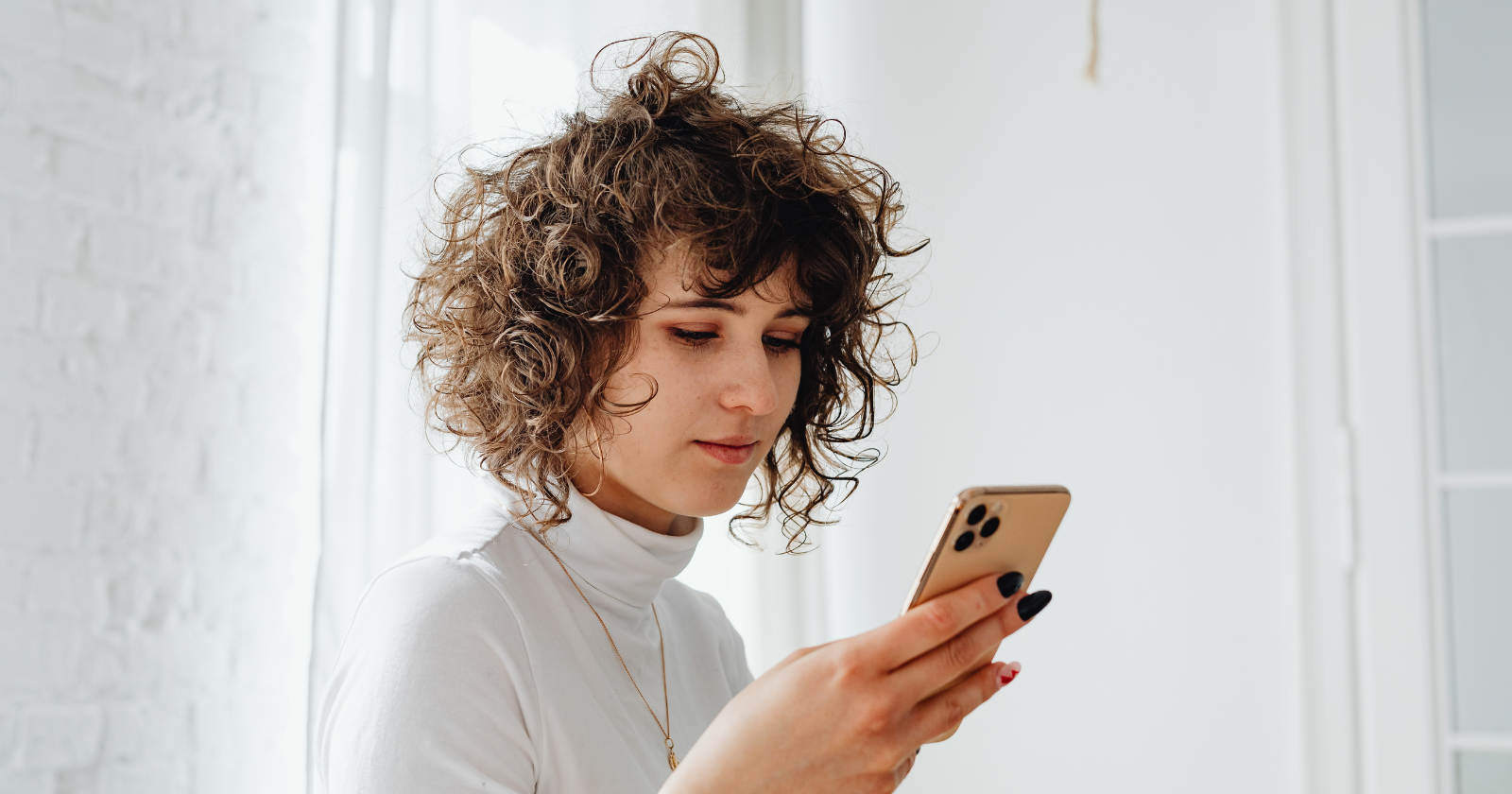
If you spend any time on social media, you know the unspoken rule: Share something.
A life update, a selfie, a hot take, a “soft launch,” a “photo dump,” or a story that says, “Hey, I exist and I’m doing things.”
When you come across someone who posts nothing personal, it can feel confusing.
Are they hiding? Are they arrogant? Are they secretly miserable?
Maybe, but that’s usually no.
In my experience, people who keep their private life private online aren’t automatically cold, shady, or anti-social.
A lot of them are actually pretty grounded because they just play a different game.
Once you start noticing the patterns, you’ll see there are a handful of traits that pop up again and again.
Here are seven of them:
1) They value boundaries more than validation
Some people use social media like a diary with an audience, while others use it like a billboard.
But the people who never share personal stuff? They tend to see it more like a public square.
In a public square, you don’t hand strangers the keys to your inner world.
They’re not necessarily “private” in a dramatic way because they just have a clear line between what’s for them and what’s for everyone.
What’s interesting is that this kind of boundary often shows up offline too.
They’ll be friendly, they’ll laugh and they’ll show up, but they won’t overshare; they don’t feel the need to “earn” closeness by dumping their whole life story on you in one sitting.
Here’s the thing: Boundaries are a filter because they help you choose who gets access to the deeper parts of you.
A lot of people treat social media as a way to feel seen.
But these folks? They’d rather be respected than recognized.
2) They’re selective about who gets the real version of them
Have you ever met someone who seems quiet online, but in person they’re thoughtful, funny, and actually pretty open?
That’s often the deal; they’re just not distributing it to the entire internet.
I’ve noticed that when people rarely share personal stuff online, they usually invest more in smaller, real connections.
They’ll text a friend instead of posting a story, or they’ll have a long conversation instead of dropping a vague caption like “some of you know what I’m going through.”
They might have a few people who know what’s really happening in their life, and that’s enough.
This is something I respect, honestly, because it takes confidence to not perform your life.
Moreover, it takes confidence to have a win and not announce it, and it takes confidence to go through something hard and not fish for sympathy from people who barely know you.
They want connection, sure, but they want the kind that’s earned, not broadcast.
3) They don’t confuse attention with intimacy
Social media makes it ridiculously easy to feel close to people without actually being close to them.
You can watch someone’s stories every day and still have no idea what they’re like when things fall apart, or you can get hundreds of likes and still feel lonely.
People who don’t share personal stuff usually understand that attention isn’t the same thing as intimacy.
They know that a “You got this!” comment from a random acquaintance doesn’t hit the same as one honest conversation with a friend who actually knows you.
Since they don’t chase that quick hit of public support, they’re less likely to depend on it emotionally.
There’s also a self-protection element here: Once you make something personal public, it becomes everyone’s business.
People interpret it, judge it, screenshot it, and occasionally use it against you.
If you’ve ever posted something vulnerable and then immediately regretted it the next day, you know exactly what I mean.
4) They tend to be more internally driven

Let me put it this way: If you never post about your goals, your relationship, your struggles or your wins, you’re basically living without the applause track because you’re motivated from the inside.
People who keep personal stuff offline often measure their life differently.
They’re not constantly asking, “Will this look good?” or they’re asking, “Does this feel right?”
They’ll take the unglamorous job that fits their long-term plan, prioritize a healthy relationship over a “couple brand,” and do the work even if nobody sees it.
This is one of those quiet traits that’s easy to overlook because it doesn’t scream for attention, but it’s powerful.
When your motivation is internal, your mood isn’t at the mercy of likes, views, and random opinions.
You’re not outsourcing your self-worth to an algorithm.
5) They’re very aware of how online life can distort reality
Social media shapes how you judge your own.
It’s the subtle stuff, like the way you start thinking your weekends should be more exciting or the way you start feeling behind because someone you went to school with posted a new title, a new city, a new engagement ring, and a new face (thanks, filters).
People who don’t share personal stuff often seem more alert to this distortion.
They know that once you start curating your life, you also start performing it.
Performance is exhausting because you begin doing things for the story, not for the experience.
You start living a little bit outside yourself, constantly imagining how it will look from the outside.
The people who opt out of personal sharing are often opting out of that mental trap.
Not perfectly, of course—none of us are immune—but they’re less entangled in it.
They’re basically saying, “I don’t want my identity to become content.”
6) They feel safer keeping their personal life out of circulation
The internet is a chaotic public space filled with strangers, exes, co-workers, judgmental relatives, and people you forgot you even follow.
When someone doesn’t post personal stuff, it’s often because they’ve learned—through experience or observation—that privacy equals safety.
Maybe they had something used against them before, or they saw a friend go through drama after oversharing, or they just don’t like the idea of their relationships becoming “public property.”
Honestly, in a world where screenshots are forever and context disappears in seconds, this caution makes sense.
They might also be more careful because they understand that once something personal becomes public, you lose control of it.
Once it becomes a narrative, everyone has an opinion.
Sometimes the healthiest move is simply not to invite that in.
7) They’re often more present in real life
Here’s a question: How many moments have you half-lived because part of your brain was thinking about posting it?
A meal, a sunset, a concert, a trip; you’re there, but you’re also not there.
People who don’t share personal stuff tend to be less split like that.
They’re not thinking, “Should I post this?” because the answer is already no.
These people are more likely to experience things fully without converting everything into content.
When I started practicing mindfulness years ago, one of the biggest shifts was realizing how often I wasn’t actually present, even when I thought I was.
My attention was always drifting toward something else: The next task, the next plan, and the next dopamine hit.
Social media can do the same thing, just in a louder way.
It trains you to live for the reaction, but the people who keep their personal life offline are often reclaiming their attention.
Attention is basically your life.
Where your attention goes, your days go, and where your days go, your life goes.
When someone protects their attention, they often become more grounded, more calm, and more enjoyable to be around because they’re not constantly mentally elsewhere.
Final words
It’s easy to assume that people who don’t share personal stuff online are secretive, boring, or emotionally shut down.
Sometimes that’s true, but a lot of the time it’s the opposite.
They’re choosing boundaries over broadcasts, depth over performance, and real connection over public validation.
If you’re one of those people, don’t let the internet convince you that you’re doing it wrong because you might actually be doing something quietly powerful.
You don’t need to share everything to be real.
Sometimes, the most meaningful parts of life happen completely off-screen.
